
Hair thinning rarely feels like a single, simple concern. It may show up as a widening part, more scalp visibility under bright light, a receding hairline, or a ponytail that no longer feels as full. For patients considering platelet-rich plasma therapy, understanding realistic scalp PRP outcomes is essential. PRP can support fuller-looking, healthier hair for appropriate candidates, but its results depend on the reason for hair loss, the stage of thinning, and the consistency of the treatment plan.
At Balwin Aesthetics, physician-led assessment is central to deciding whether PRP is likely to be a worthwhile option. The goal is not to promise a dramatic transformation overnight. It is to create a personalized plan that supports natural-looking improvement while addressing the factors that may be contributing to hair loss.
What scalp PRP outcomes look like in practice
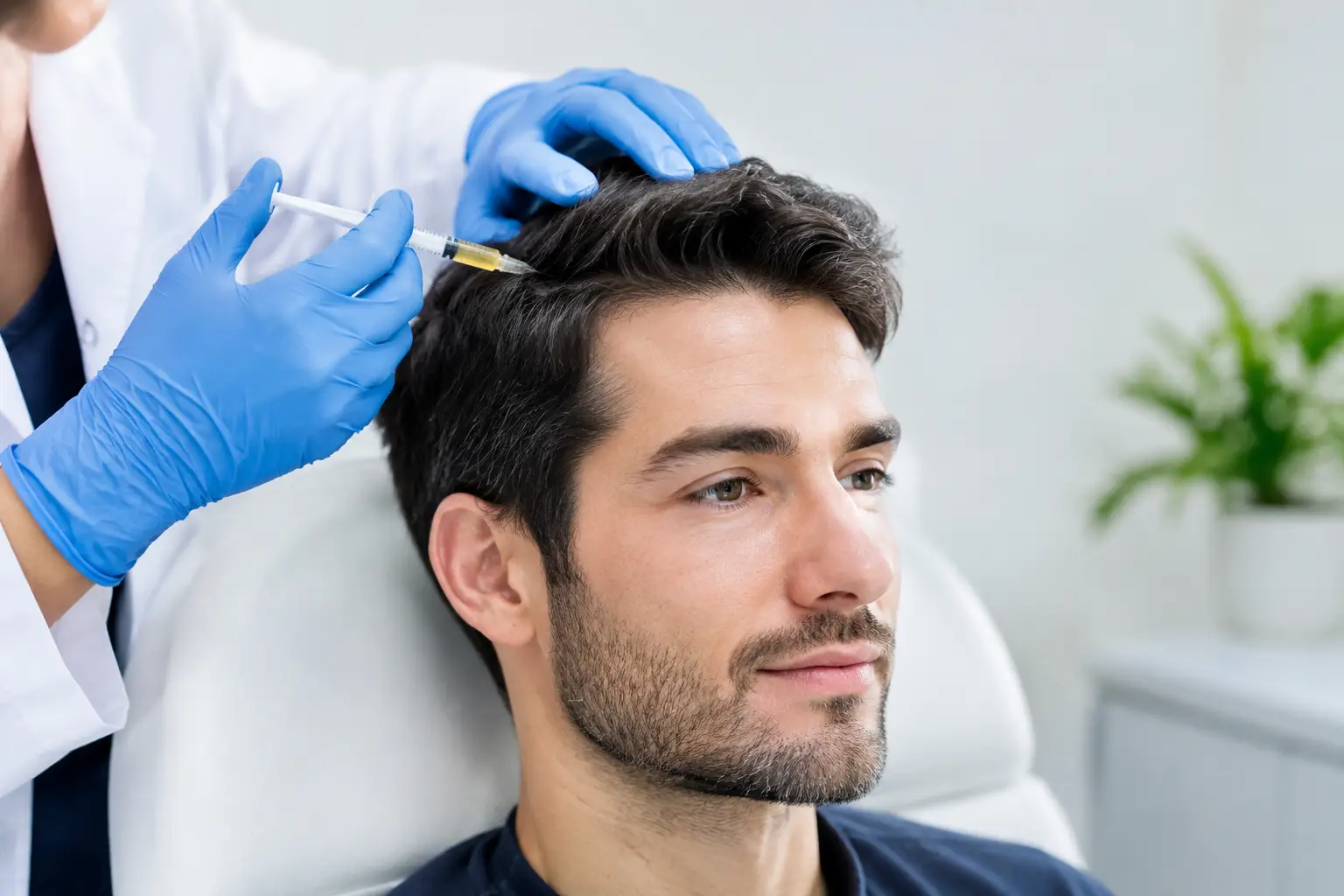
PRP uses a small sample of your own blood. After processing, the platelet-rich portion is carefully injected into areas of thinning on the scalp. Platelets contain growth factors that may help support follicle activity, improve the environment around the hair follicle, and encourage thicker, stronger-looking hair growth over time.
For many suitable patients, the earliest meaningful change is not necessarily new hair growth. Hair shedding may begin to stabilize, and existing hair can gradually appear less fine or fragile. With continued treatment, patients may notice improved density, less scalp show-through, and more volume when styling their hair.
The degree of visible improvement varies. PRP is often most rewarding when hair follicles are still present but producing finer, weaker hairs. It is generally less predictable in areas that have been completely smooth or bald for a long period, where follicles may no longer be active.
Who is most likely to benefit?
Scalp PRP is commonly considered for people with early to moderate androgenetic hair loss, also known as pattern hair thinning. This can affect both women and men. Women may notice diffuse thinning through the crown or part line, while men may see recession at the temples, thinning at the crown, or both.
The best candidates usually have active follicles and realistic expectations. PRP may be particularly appealing to patients who want a non-surgical approach, prefer to use their own biological material, or want to complement other medically appropriate hair-restoration strategies.
A consultation should also look beyond the scalp. Stress, recent illness, nutritional deficiencies, hormonal changes, thyroid conditions, certain medications, and rapid weight loss can all influence hair shedding. If the underlying cause has not been identified, treating the scalp alone may not produce the outcome a patient expects.
When PRP may not be the first recommendation
PRP is not the right first step for every type of hair loss. Sudden patchy loss, scalp pain, scaling, redness, scarring, or intense itching should be assessed medically before cosmetic treatment is considered. These signs can point to inflammatory or autoimmune conditions that require a different approach.
Patients with certain blood disorders, active infections, very low platelet counts, or uncontrolled medical conditions may not be suitable candidates. A physician-led review of your health history helps ensure the treatment is both appropriate and safe.
The PRP hair restoration timeline
Hair growth follows a slow biological cycle, which is why PRP requires patience. A treatment performed today cannot produce a full visible result next week. Most plans begin with a series of sessions, often spaced about four to six weeks apart, followed by maintenance treatments based on individual response and hair-loss pattern.
Some patients report reduced shedding or an improved feel to their hair within the first few months. More noticeable changes in thickness and density are commonly assessed around three to six months after beginning treatment. Results may continue to develop beyond that point, particularly when the treatment plan is followed consistently.
Photography is useful during this process. Hair changes gradually, and day-to-day mirror checks can make progress difficult to judge. Standardized before-and-after photos, taken with similar lighting, angle, and hair positioning, offer a more objective view of changes over time.
Why maintenance matters
PRP is not typically a permanent one-time solution for progressive pattern hair loss. If the underlying tendency toward follicle miniaturization continues, maintenance care may be needed to preserve the benefits achieved through the initial series.
The ideal maintenance schedule depends on how your scalp responds, the stability of your shedding, and whether you are using other treatments. Some patients may benefit from periodic sessions every few months, while others may need a different schedule. A personalized plan is more valuable than a one-size-fits-all promise.
Factors that influence PRP results
The quality of a PRP result is about more than the injection appointment itself. Hair loss has many contributing factors, and successful care accounts for the whole picture.
The duration and severity of thinning matter. Early intervention often gives PRP more healthy follicles to support. Genetics also play a significant role, especially in pattern hair loss. A person with mild thinning and stable overall health may see a different degree of improvement than someone with advanced loss or an untreated medical trigger.
Treatment technique matters as well. Appropriate preparation, precise placement, and clinician oversight contribute to a professional treatment experience. PRP should be performed in a medical setting where candidacy, scalp health, and response can be evaluated throughout the process.
Lifestyle factors can also affect the appearance and health of hair. Adequate protein intake, correction of confirmed nutrient deficiencies, stress management, and gentle hair care can support an overall hair-restoration plan. These measures cannot override genetics on their own, but they can help reduce avoidable contributors to shedding and breakage.
Combining PRP with other hair-loss treatments
For some patients, the strongest scalp PRP outcomes come from combination care. Depending on the diagnosis and medical history, a physician may discuss topical or oral therapies, nutritional evaluation, or other approaches designed to address the pattern of hair loss.
This is not a reason to add every available treatment. More treatments do not automatically mean better results. The right plan should balance expected benefit, safety, cost, convenience, and your comfort with ongoing care. For patients who prefer a more conservative approach, PRP alone may still be a reasonable starting point when clinically appropriate.
What to expect during and after treatment
A PRP appointment begins with a blood draw. The sample is placed in a centrifuge to concentrate the platelet-rich component, which is then injected into targeted areas of the scalp. The treatment is usually well tolerated, though patients may feel brief pressure or pinching during the injections.
Mild tenderness, scalp sensitivity, swelling, or small areas of bruising can occur afterward. These effects are generally temporary. Because PRP uses your own blood product, allergic reactions are uncommon, but every injectable treatment carries potential risks. Following aftercare instructions and sharing your full medical history helps reduce avoidable complications.
There is typically little downtime, making PRP a practical option for many busy professionals. However, you should plan around any individualized aftercare guidance, particularly regarding hair washing, exercise, medications, and scalp products in the first day or two after treatment.
Setting expectations before you begin
A reputable PRP consultation should leave you with clarity, not pressure. You should understand what is causing or contributing to your thinning, whether PRP is suited to your pattern of loss, how many sessions may be recommended, and how progress will be monitored.
Be cautious of claims that guarantee regrowth or suggest that every person will achieve the same density. Hair restoration is individualized. A successful result may mean less shedding, improved thickness, a narrower-looking part, or greater confidence wearing your hair as you like. For another patient, it may mean deciding that PRP should be paired with another treatment for a more complete response.
The most useful next step is a thoughtful assessment while hair follicles are still active. With the right diagnosis, a consistent plan, and realistic expectations, PRP can be a valuable way to support healthier-looking hair without surgery.
