
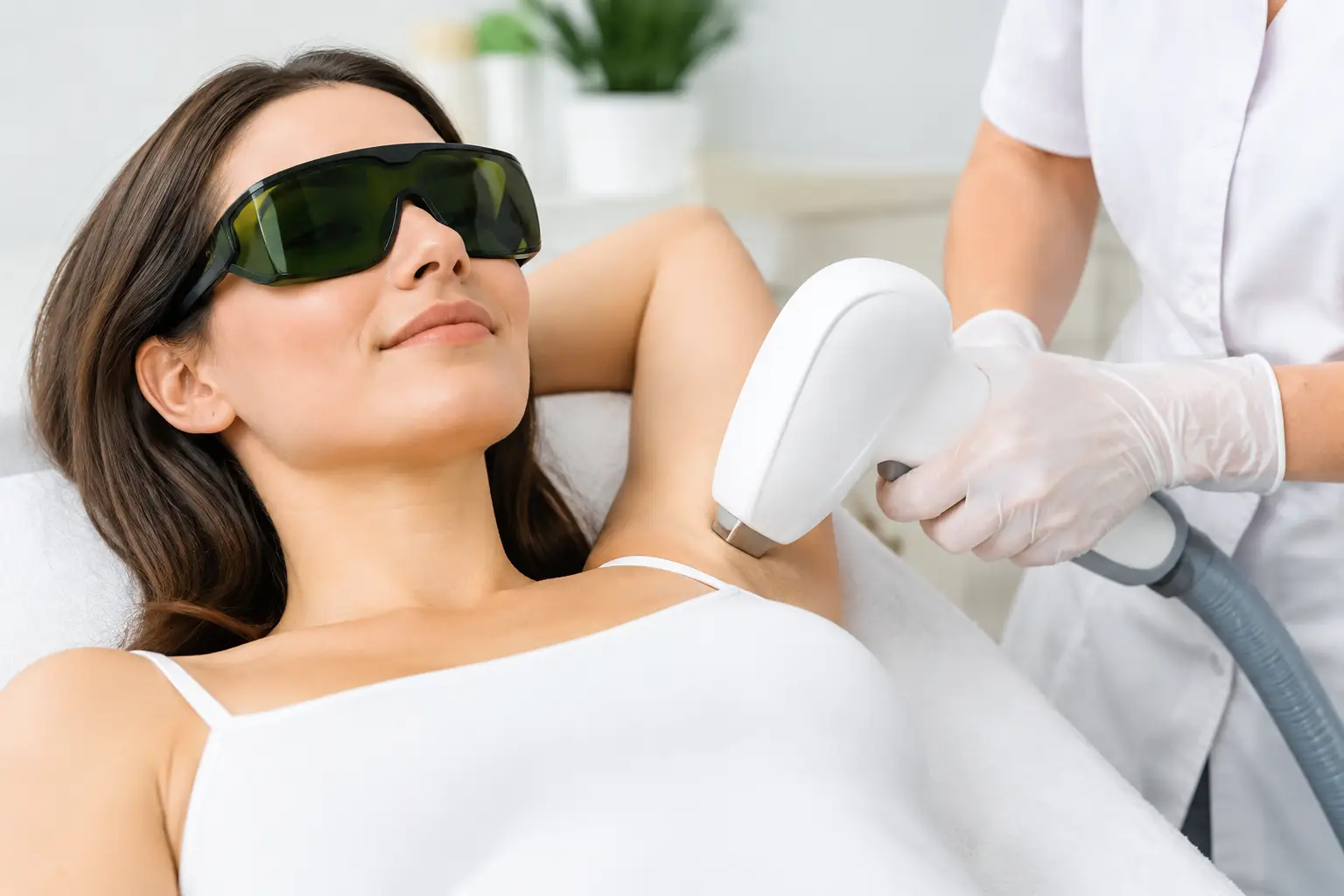
A laser hair removal review should answer more than whether the treatment works. The better question is whether it can work well for your skin tone, hair type, treatment area, schedule, and expectations. When treatment is planned thoughtfully and performed with appropriate technology and medical oversight, laser hair removal can significantly reduce unwanted hair and simplify your long-term grooming routine.
For many patients, the appeal is practical: less shaving, fewer ingrown hairs, and smoother-looking skin without the constant cycle of waxing appointments. Still, laser hair removal is not a one-visit solution, and the quality of your result depends heavily on proper candidacy assessment, technique, and consistency.
Our Laser Hair Removal Review: Is It Worth It?
For the right candidate, laser hair removal is often worth the investment because it targets the source of recurring hair growth rather than removing hair only at the skin’s surface. Laser energy is absorbed by pigment in the hair follicle, where it creates controlled heat that impairs the follicle’s ability to regrow hair.
The result is best described as long-term hair reduction, not a guarantee that every hair will disappear permanently. Most patients see a meaningful decrease in hair density, thickness, and growth speed after a series of treatments. Any hair that remains may be finer, lighter, and easier to manage. Occasional maintenance sessions can be useful, particularly when hormones, genetics, or age influence new growth.
The value is especially clear for people who are tired of razor irritation, stubborn ingrown hairs, or the expense and inconvenience of regular waxing. Common treatment areas include the underarms, bikini line, legs, upper lip, chin, back, chest, and arms. Whether it feels worthwhile depends on the area being treated and how much unwanted hair affects your daily comfort or confidence.
What Results Can You Realistically Expect?
Hair grows in cycles, and laser treatment is most effective when hairs are actively growing. Because only a portion of follicles are in that phase at one time, treatments are spaced several weeks apart to reach new groups of hairs as they enter the appropriate stage.
Most patients need a series of sessions. The exact number varies, but six to eight treatments is a common starting point for many body areas. Coarser, darker hair often responds well because it contains more pigment for the laser to identify. Facial areas can require more appointments because hormonal influence may make growth more persistent.
You may notice that treated hair appears to continue growing in the days after an appointment. This is usually part of the shedding process, not treatment failure. Over the following one to three weeks, hairs often loosen and shed from the treated follicles. As your series progresses, regrowth should become patchier and less noticeable.
Results are individualized. Laser hair removal is generally less effective on very light blonde, gray, white, or red hair because these shades contain little pigment. A professional consultation can clarify whether your hair has enough contrast for treatment and which device settings are appropriate for your skin tone.
Skin Tone and Device Selection Matter
A safe laser hair removal plan is never one-size-fits-all. The wrong device or overly aggressive settings can increase the risk of burns, pigment changes, or prolonged irritation, particularly in deeper skin tones or recently tanned skin.
That does not mean patients with deeper complexions cannot benefit from treatment. It means treatment must be selected and calibrated with care. An experienced provider evaluates skin tone, hair color and density, tanning history, medications, and the treatment area before recommending a plan. A test spot may be appropriate in some situations.
This level of screening is one reason physician-led care matters. The goal is not simply to use the highest possible setting. It is to achieve effective follicle targeting while protecting the surrounding skin.
How Does Laser Hair Removal Feel?
Comfort varies by person and body area. Many patients describe the sensation as a quick snap of a rubber band against the skin, followed by brief warmth. Areas with denser hair or more sensitivity, such as the bikini line, upper lip, or underarms, may feel more intense than the legs or arms.
Modern laser systems often include cooling features that help make treatment more comfortable. Your provider can also adjust the pace and settings when appropriate. Treatment times are typically efficient: a small facial area may take only minutes, while larger areas such as the legs or back require longer appointments.
Mild redness and swelling around individual follicles are common immediately afterward. These effects usually settle within hours to a couple of days. Most people return to normal activities right away, although the skin benefits from a little extra care.
Preparation and Aftercare Affect Your Experience
Good preparation improves both safety and results. Before treatment, avoid waxing, plucking, threading, or using depilatory creams for several weeks unless your provider advises otherwise. These methods remove the hair root that the laser needs to target. Shaving is generally preferred before an appointment because it leaves the follicle intact while reducing surface hair.
Sun exposure and self-tanner deserve special attention. Tanned skin contains more pigment, which can make treatment less predictable and raise the risk of irritation or discoloration. Let your provider know about recent sun exposure, tanning products, skin treatments, and any medications or supplements you use.
After treatment, keep the area cool and treat it gently. Avoid hot baths, saunas, intense exercise, and friction from tight clothing for the period recommended by your provider. Use broad-spectrum sunscreen on exposed areas, especially if you are treating the face, neck, arms, or legs. Do not pick at shedding hairs or exfoliate aggressively while the skin is irritated.
What Does It Cost, and Why Do Prices Vary?
Laser hair removal costs vary based on the size of the treatment area, hair density, the technology used, and the number of sessions needed. A small area such as the upper lip naturally costs less per visit than full legs or a full back, but comparing only the price of a single session can be misleading.
A lower advertised price may not reflect the experience of the provider, the quality and suitability of the device, or the level of assessment included in care. It may also exclude necessary maintenance sessions or encourage treatment intervals that are not ideal for your growth cycle.
Instead, consider the full treatment plan: how many sessions are anticipated, what outcomes are realistic for your hair and skin type, whether a consultation is included, and how the clinic approaches safety. A personalized plan may cost more than a rushed, high-volume service, but it can offer a more thoughtful experience and reduce avoidable risk.
Who Should Postpone or Seek Additional Guidance?
Laser hair removal may need to be delayed if you have an active skin infection, open wound, significant irritation, or a recent tan in the treatment area. Patients who are pregnant, taking certain medications, prone to pigment changes, or managing a skin condition should discuss their history during consultation.
Hormonal conditions can also affect expectations. For example, facial hair related to hormonal changes may respond to laser treatment but can require ongoing maintenance. The treatment can still be valuable, but an honest plan recognizes that biology may continue to stimulate some new growth.
At Balwin Aesthetics, laser hair removal begins with an individualized assessment rather than a generic package recommendation. That conversation helps determine whether laser treatment is appropriate, which areas are likely to respond best, and how to protect your skin throughout the process.
The most satisfying laser hair removal results come from patience, consistency, and a provider who treats your skin as carefully as your unwanted hair. A consultation is the right place to ask direct questions, understand the likely commitment, and decide whether the expected reduction fits the way you want to feel in your skin.
