
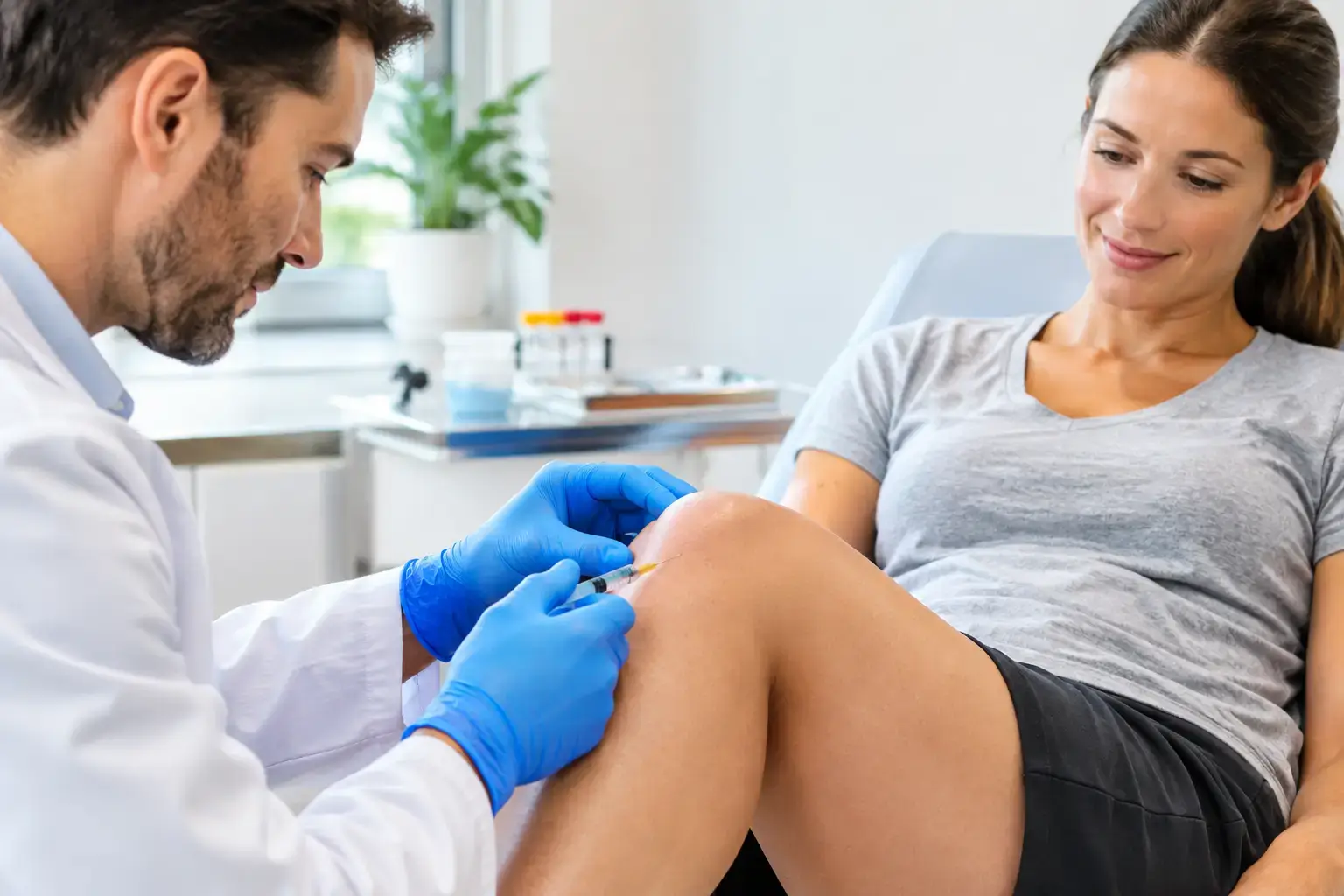
A PRP appointment is not usually described as painful in the way people fear. Most patients feel brief, manageable discomfort rather than significant pain, especially when treatment is planned thoughtfully and appropriate numbing options are used. Still, the honest answer to “is PRP painful?” depends on where it is being used, whether it is injected or paired with microneedling, and your own sensitivity.
PRP, or platelet-rich plasma, is created from a small sample of your blood. After the sample is processed, the platelet-rich portion is applied or carefully injected into areas such as the scalp or face. It is commonly chosen by patients who want to support hair restoration, improve skin quality, or enhance natural-looking facial rejuvenation without surgery.
Is PRP Painful During Treatment?
PRP treatment has several stages, and they do not all feel the same. The blood draw is similar to routine lab work: a quick pinch followed by mild pressure. The treatment portion can feel more noticeable, particularly when PRP is injected into the scalp or more sensitive facial areas.
For PRP injections, patients may feel a series of small pinches, pressure, or a brief stinging sensation. Scalp PRP tends to be the area patients find most sensitive because the scalp has a dense network of nerve endings. Facial PRP injections may feel like other injectable treatments, with short moments of discomfort rather than ongoing pain.
When PRP is used with microneedling, the sensation is often described as a light scratching or vibrating feeling across the skin. A topical numbing cream is typically applied beforehand, which makes the procedure much more comfortable for most patients. Areas with thinner skin, including the forehead and around the mouth, may feel slightly more sensitive than the cheeks.
Discomfort should never feel unmanageable. A physician-led consultation allows your provider to discuss your pain concerns in advance and select a treatment approach that supports both comfort and effective results.
Why PRP Sensitivity Varies From Person to Person
There is no single pain score that applies to every PRP patient. Your experience can be influenced by the treatment area, the technique used, and factors that have little to do with the procedure itself.
The scalp, for example, is generally more sensitive than the cheeks because it has many nerve endings and less soft tissue between the skin and skull. If you are treating hair thinning with PRP, you may notice brief tenderness during the injection series and mild soreness afterward. This is usually temporary.
Your individual pain threshold matters as well. Some people are naturally more sensitive to needles or have anxiety around medical procedures, which can make sensations feel stronger. Menstrual cycles, poor sleep, stress, dehydration, and caffeine may also affect how you perceive discomfort on treatment day.
Technique makes a meaningful difference. Precise injection placement, a gentle pace, appropriate numbing, and clear communication throughout the appointment can reduce unnecessary discomfort. This is one reason medical supervision and individualized treatment planning are important when choosing PRP.
How PRP Discomfort Is Managed
A reputable aesthetic practice does not expect patients to simply tolerate discomfort. Comfort measures are selected based on the treatment area and the type of PRP procedure being performed.
For facial PRP microneedling, topical anesthetic is often applied before treatment and allowed time to take effect. For PRP injections, your provider may use topical numbing, ice, distraction techniques, or other appropriate measures. Some patients find it helpful to listen to music, focus on slow breathing, or ask their provider to explain each step as treatment progresses.
You can also prepare by arriving well hydrated and eating a normal meal beforehand, unless your provider has given different instructions. Dehydration can make a blood draw more difficult and may leave you feeling less comfortable overall.
Before PRP, be sure to disclose any medications, supplements, allergies, bleeding concerns, or history of fainting with needles. Your provider may recommend avoiding certain medications or supplements before treatment, but do not stop prescribed medication without guidance from the clinician who manages it.
What Does PRP Feel Like Afterward?
After PRP injections, it is common to have tenderness, mild swelling, tightness, or small raised areas at injection sites. With scalp treatments, the area may feel sore to the touch for a day or two. Most patients return to normal activities quickly, although your provider may ask you to avoid strenuous exercise, excessive heat, or touching the treated area for a short period.
Following PRP microneedling, the skin often looks pink or red, similar to a mild sunburn. You may feel warmth, sensitivity, or tightness for the first 24 to 48 hours. These effects are expected and generally improve steadily as the skin begins its recovery process.
The goal is not to push through severe pain. Contact your provider promptly if you experience worsening pain, substantial swelling, unusual drainage, fever, or any symptom that feels out of proportion to the expected recovery. While significant complications are uncommon with properly performed treatment, clear aftercare guidance and access to qualified medical advice matter.
PRP Injection vs. PRP Microneedling: Which Is More Comfortable?
Neither option is universally more painful because they are used for different concerns. PRP injections place platelet-rich plasma beneath the skin or into the scalp, making them a more targeted approach for hair restoration or select facial rejuvenation plans. The needle sensation is brief but repeated.
PRP microneedling treats the skin’s surface with controlled microchannels while PRP is applied topically. With good numbing, many patients find it very tolerable. They may notice more warmth and surface sensitivity afterward, while injection patients may notice more localized tenderness.
A personalized consultation is the best way to determine which option aligns with your goals, skin condition, tolerance for downtime, and comfort preferences. In some cases, combining treatments may be appropriate, but more treatment is not automatically better. The right plan is one that is medically appropriate and realistic for your lifestyle.
Can You Make PRP Less Painful?
Yes, preparation and communication can improve the experience. Let your provider know if you have had a difficult experience with injections, if you are particularly sensitive around certain areas, or if anxiety is a major concern. That information helps the clinical team pace the procedure appropriately and discuss comfort options before beginning.
Avoid arriving rushed, dehydrated, or on an empty stomach. Wear comfortable clothing, especially for scalp treatment, and arrange your schedule so you do not need to immediately attend an important event if mild redness or swelling would make you self-conscious.
It is also wise to keep expectations grounded. PRP is a medical aesthetic treatment, not a completely sensation-free facial. But for most appropriate candidates, the discomfort is short-lived and manageable, while the potential benefits for skin renewal or hair-related restoration can make the process worthwhile.
Frequently Asked Questions About PRP Pain
Are PRP scalp injections painful?
They can be uncomfortable because the scalp is sensitive, but the sensation is typically brief. Numbing measures, careful technique, and a calm treatment pace can make a substantial difference.
Does PRP hurt more than Botox or filler?
This varies by person and treatment area. Botox is often considered very quick and mild. PRP can involve more injection points, particularly on the scalp, while filler may create more pressure in certain facial areas. Comparing pain alone is less useful than discussing the procedure that best fits your concerns.
How long does soreness last after PRP?
Most tenderness improves within one to three days. PRP microneedling redness and sensitivity generally settle within a similar timeframe, though recovery can vary with treatment intensity and skin sensitivity.
Is PRP worth it if I am nervous about needles?
Many patients who are nervous about needles still complete PRP comfortably with the right preparation and support. Share your concerns before booking so your provider can explain the process, recommend suitable comfort measures, and determine whether PRP is appropriate for you.
The best PRP experience begins well before the first injection or microneedling pass. Choose a medically qualified provider who takes your goals, health history, and comfort seriously. At Balwin Aesthetics, a personalized consultation can help you make an informed decision and approach treatment with confidence rather than uncertainty.
