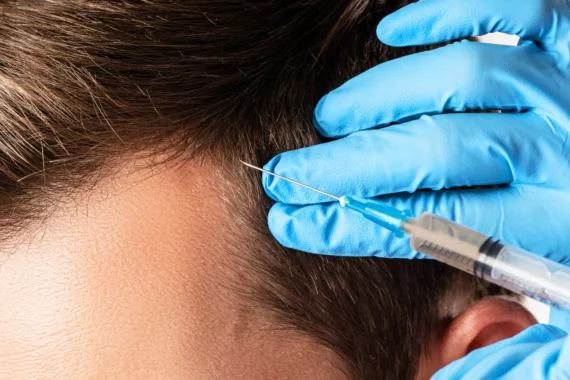
Understanding Platelet-Rich Plasma (PRP) Treatments
Platelet-Rich Plasma (PRP) treatments harness the body's natural healing processes to promote hair growth and rejuvenate skin. By extracting a small amount of blood, processing it to concentrate the platelets, and injecting it into targeted areas, PRP stimulates cellular regeneration, making it a popular choice for those seeking non-surgical aesthetic solutions.
PRP therapy has gained traction in both dermatology and cosmetic surgery due to its effectiveness. Studies have shown that patients undergoing PRP treatments for hair restoration often see significant improvements in hair density and thickness. Additionally, PRP is used for skin rejuvenation, helping to reduce fine lines and improve skin texture, providing a dual benefit for patients seeking overall aesthetic enhancement.
Benefits of PRP for Hair Restoration
The benefits of PRP for hair restoration extend beyond mere aesthetics; they include increased hair growth, improved hair thickness, and enhanced scalp health. This treatment is particularly appealing for individuals experiencing androgenetic alopecia or other types of hair loss, as it works by revitalizing dormant hair follicles.
Clinical trials have demonstrated that PRP can lead to a noticeable increase in hair count and improved hair quality after several sessions. Patients often report a boost in confidence as their hair begins to regrow, making PRP a viable option for those looking to combat hair loss without invasive procedures.
What to Expect During a PRP Treatment Session
During a PRP treatment session, patients can expect a straightforward and relatively quick procedure. The session typically begins with a consultation, followed by blood collection, processing in a centrifuge to separate the platelets, and then injecting the PRP into the scalp or targeted areas.
Most sessions last about 60 to 90 minutes, and while some patients may experience mild discomfort during the injections, there is minimal downtime. After treatment, individuals can return to their daily activities, although some may notice slight swelling or bruising at the injection sites, which usually resolves quickly.
Frequently Asked Questions About PRP Treatments
As PRP treatments gain popularity, many potential clients have questions regarding the procedure, its effectiveness, and safety. Common inquiries include the number of sessions required for optimal results, the longevity of the effects, and potential side effects.
Typically, patients may need 3 to 4 sessions spaced a few weeks apart to achieve desired outcomes, with maintenance treatments recommended every 6 to 12 months. PRP is generally considered safe, with minimal side effects due to its autologous nature, meaning it uses the patient’s own blood. However, discussing individual concerns with a qualified practitioner is essential for tailored advice.