
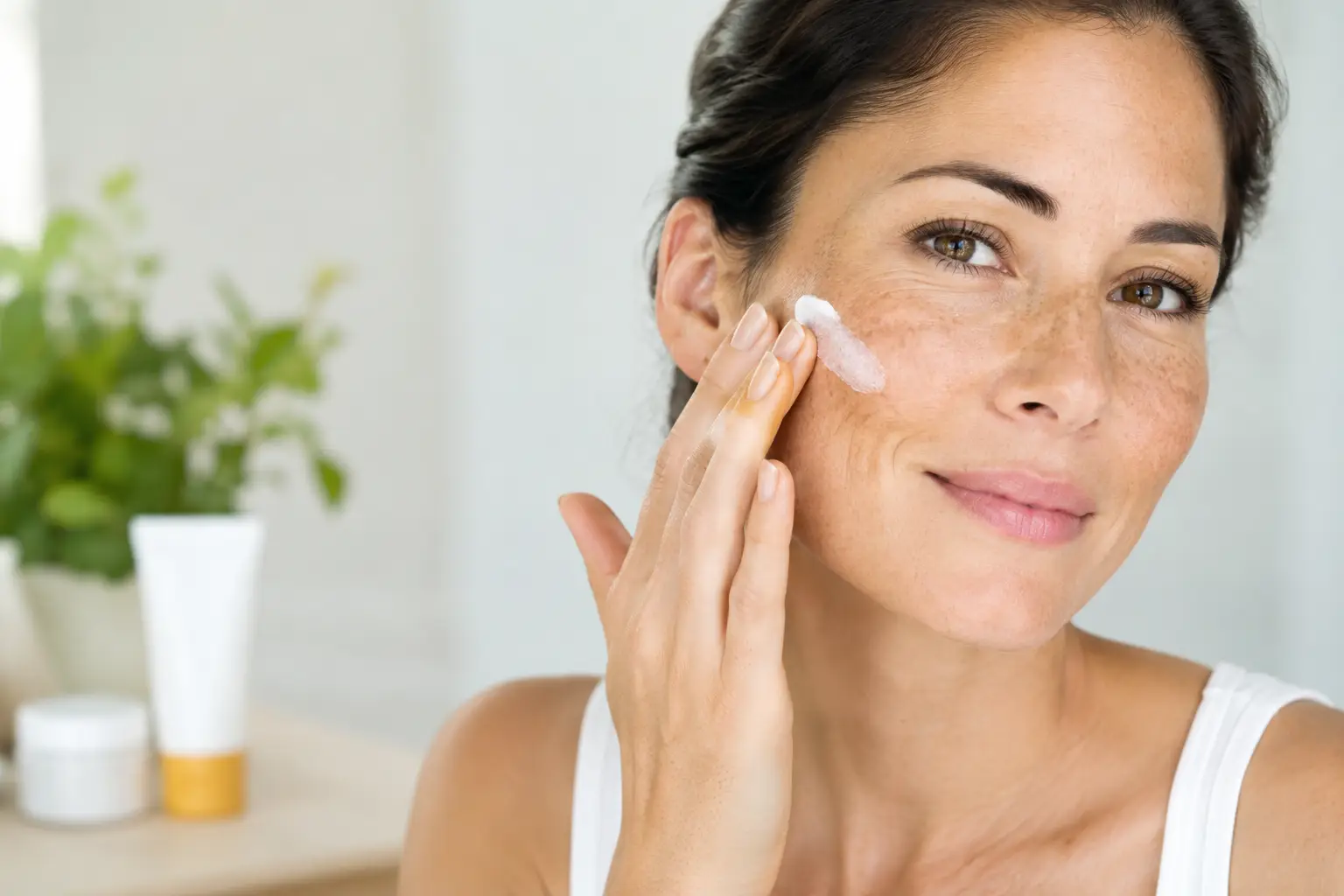
Sun spots often become most noticeable after summer, when a little extra color fades but the uneven patches remain. They can appear on the cheeks, forehead, chest, shoulders, and hands – areas that have received years of incidental sun exposure. If you are wondering how to fade sun spots, the most effective approach is usually not a single product or procedure. It is a personalized plan that prevents new pigment from forming while gradually treating the pigment already visible in the skin.
Sun spots can be improved significantly, but they do require patience. Skin cell turnover, pigment response, and treatment tolerance vary from person to person. The right strategy should protect your skin barrier, respect your natural skin tone, and deliver refined, even-looking results rather than simply chasing the strongest treatment available.
What Are Sun Spots?
Sun spots, also called solar lentigines or age spots, are flat areas of excess pigment caused primarily by cumulative ultraviolet exposure. They are usually tan, brown, or dark brown and tend to become more common over time. Despite the name, they are not limited to mature skin. Anyone with regular sun exposure can develop them.
They are different from freckles, which may darken and lighten seasonally, and from melasma, which often appears as broader, symmetrical patches and can be influenced by hormones, heat, and visible light. Post-inflammatory hyperpigmentation is another separate concern, occurring after acne, irritation, injury, or a cosmetic procedure.
This distinction matters because treatments that work beautifully for one type of pigmentation may be less effective – or potentially irritating – for another. A professional assessment can help identify what you are seeing before you invest in a treatment plan.
How to Fade Sun Spots Without Creating More Pigment
The foundation of any pigment-correcting plan is consistent sun protection. Without it, even excellent in-office results can fade quickly as new discoloration develops. Use a broad-spectrum sunscreen with SPF 30 or higher every morning, including on cloudy days and when you are primarily indoors near windows.
For the face, neck, chest, and hands, apply enough product to create an even layer and reapply when you are outside for extended periods, sweating, or swimming. A wide-brimmed hat, sunglasses, and shade add meaningful protection, particularly during high-UV months. If you are prone to melasma or deeper pigmentation, a tinted mineral sunscreen can be a helpful option because iron oxides may also protect against visible light.
At-home skincare can support gradual fading. Look for formulas that contain ingredients such as vitamin C, niacinamide, retinoids, azelaic acid, tranexamic acid, or gentle exfoliating acids. These ingredients work in different ways: some help interrupt pigment production, while others encourage more even skin renewal.
The trade-off is that more active skincare is not always better. Over-exfoliating, layering too many strong products, or using a retinoid too often can cause inflammation. Inflammation can leave behind more discoloration, especially in deeper skin tones. Introduce one active product at a time, use it consistently, and reduce frequency if your skin becomes persistently dry, stinging, or flaky.
A Simple At-Home Routine
A practical routine is often more effective than an elaborate shelf of products. In the morning, cleanse gently, apply an antioxidant or pigment-supporting serum if appropriate, moisturize, and finish with sunscreen. At night, cleanse and use one targeted active product, followed by a barrier-supporting moisturizer.
Retinoids can be particularly useful for overall texture, fine lines, and uneven tone, but they are not appropriate for everyone. Pregnant or breastfeeding patients should speak with a medical professional before using retinoid products. People with sensitive skin, eczema, rosacea, or a compromised skin barrier may need a more conservative approach.
Expect gradual changes, not overnight correction. With daily sunscreen and well-chosen skincare, subtle improvement may begin within eight to 12 weeks. More established sun spots often need professional treatment for a more noticeable result.
Professional Treatments for Stubborn Sun Spots
When pigmentation has been present for years or does not respond adequately to skincare, physician-supervised treatments can offer a more efficient path forward. The best option depends on your skin type, the depth and pattern of pigment, your downtime preferences, and whether you have a history of post-inflammatory hyperpigmentation.
Laser Treatments for Pigmentation
Laser treatments target pigment by delivering controlled energy into the skin. The pigment absorbs that energy, breaks apart, and is gradually cleared by the body. Individual sun spots may darken temporarily, form a light crust, and then fade over the following days to weeks.
Laser treatment can produce impressive improvement for well-defined sun spots, especially on the face, chest, and hands. However, it must be selected carefully. The wrong device settings or treatment plan can lead to irritation or uneven pigment changes. A qualified provider considers your natural skin tone, history of tanning, current skincare, and the specific pigmentation concern before recommending treatment.
Chemical Peels
A chemical peel uses a controlled solution to exfoliate the outer layers of the skin and encourage fresh, more even-looking skin to emerge. Light peels may involve little to no downtime and can be repeated as part of an ongoing skin renewal plan. Medium-depth options can address more visible discoloration but require a longer recovery period.
Peels are often a good choice when sun spots are accompanied by dullness, rough texture, or mild acne scarring. They are not a one-size-fits-all solution, particularly for patients with sensitive skin or a tendency to develop dark marks after irritation. Proper preparation and aftercare are essential.
Microneedling and PRP
Microneedling creates controlled microchannels in the skin to stimulate collagen production and support overall skin renewal. It is especially valuable for texture, fine lines, and diffuse uneven tone. Platelet-rich plasma, or PRP, may be incorporated into a treatment plan to support the skin’s recovery process.
For distinct, dark sun spots, microneedling may not be as direct as a pigment-targeting laser. Still, it can be an excellent complementary treatment for someone seeking broader facial rejuvenation and gradual improvement in skin quality. A consultation helps determine whether it should be your primary treatment or part of a combined plan.
What to Avoid When Treating Sun Spots
Avoid using aggressive scrubs, unregulated bleaching creams, or at-home devices without guidance. Products containing undisclosed steroids, mercury, or excessively strong hydroquinone can cause serious irritation and long-term skin concerns. Hydroquinone can be appropriate for some patients under medical direction, but it should be used thoughtfully and for a defined period.
Do not pick at flaking skin or crusting after a professional treatment. Allowing the skin to heal naturally reduces the chance of scarring and post-inflammatory hyperpigmentation. It is also wise to pause irritating active ingredients before and after certain treatments, based on your provider’s instructions.
Most importantly, do not assume every dark mark is a sun spot. Any lesion that is new, changing, irregularly shaped, bleeding, itching, or noticeably different from the others should be evaluated by a qualified medical professional. Cosmetic pigment treatment should never replace a skin cancer assessment.
Choosing a Personalized Plan
The most successful plans account for more than the color of a spot. They consider your skin tone, sun exposure habits, lifestyle, current products, and comfort with downtime. A person who wants gradual, minimal-downtime improvement may begin with medical-grade skincare and a series of light treatments. Someone with sharply defined, longstanding sun spots may be a stronger candidate for targeted laser therapy.
At Balwin Aesthetics, physician-led consultations are designed to clarify these choices and recommend treatments that support natural-looking skin renewal. Rather than treating discoloration in isolation, the goal is to improve overall clarity, texture, and confidence while protecting the health of your skin.
Clearer-looking skin is rarely the result of one dramatic step. It comes from thoughtful treatment, daily protection, and the patience to let healthy skin renewal do its work.
