
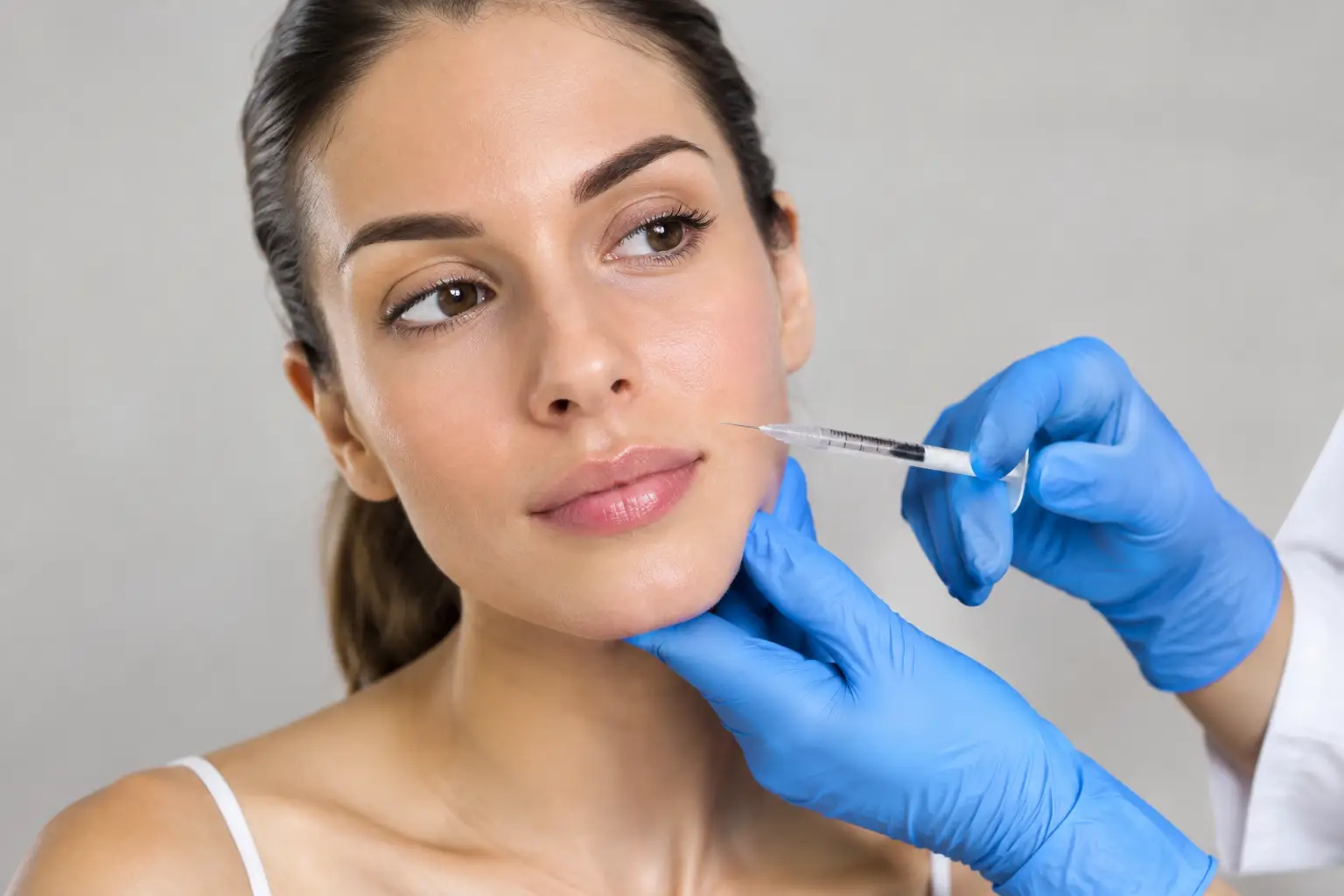
A slightly uneven smile, one cheek that appears flatter in photos, or lips that do not match perfectly are common concerns. So, can fillers correct asymmetry? In many cases, strategically placed dermal filler can create a more balanced facial appearance without surgery. The answer depends on what is causing the asymmetry, how significant it is, and whether filler is the safest, most appropriate option for your features.
The goal is not to make the face perfectly identical from side to side. Natural faces have differences, and an overly corrected result can look less authentic. A thoughtful filler treatment focuses on improving harmony while preserving your individual expressions and natural beauty.
Can Fillers Correct Asymmetry? Often, but Not Always
Dermal fillers are injectable gels, most commonly made with hyaluronic acid, that can restore volume, refine contours, and support facial proportions. When asymmetry is related to differences in soft-tissue volume or shape, filler may be an effective nonsurgical solution.
For example, one cheek may lose volume more quickly than the other over time, creating a shadow or flatter appearance on one side. A carefully measured amount of filler can restore support and improve the relationship between the cheeks, jawline, and under-eye area. Similarly, filler can sometimes balance mild lip asymmetry, soften an uneven chin contour, or create greater symmetry along the jawline.
Fillers work best when the concern is subtle to moderate and volume-related. They do not reposition bone, correct a significant bite imbalance, or resolve every type of muscle-related asymmetry. The right treatment starts with identifying the source of the concern, not simply adding product where an area looks uneven.
Why Facial Asymmetry Happens
Some degree of facial asymmetry is present in almost everyone. It can become more noticeable due to genetics, facial expression patterns, aging, previous injury, dental or skeletal structure, or changes in skin and soft tissue.
A person may naturally have one eyebrow that sits higher, one side of the lip that lifts more strongly when smiling, or one cheekbone that projects farther. With age, collagen, fat pads, and bone support change at different rates on each side of the face. This can make longstanding differences more apparent, particularly in photographs or under direct overhead lighting.
In other cases, asymmetry is dynamic, meaning it appears primarily with movement. A stronger muscle on one side of the face can pull the brow, lip, or jaw differently. This is one reason a skilled injector evaluates you at rest and while speaking, smiling, and making expressions. Treating a dynamic concern with filler alone may not provide the refined result you want.
Areas Where Filler May Improve Balance
A customized treatment plan may use filler in one or more facial areas, depending on your anatomy and goals.
Cheeks and Midface
Uneven cheek volume is one of the more common concerns addressed with filler. Restoring structure to a flatter side of the midface can reduce asymmetrical shadows and help the face appear more proportionate. Because the cheeks influence the lower face and under-eye transition, small adjustments can have a meaningful visual effect.
Lips
Lip asymmetry may involve differences in fullness, border shape, cupid’s bow definition, or how the lips move during expression. Filler can improve mild imbalances, but it should be placed conservatively. Overfilling one side in pursuit of perfect symmetry can make the lips look heavy or distort movement.
Chin and Jawline
A chin that sits slightly off-center, lacks projection on one side, or appears uneven from the front may benefit from filler in selected cases. Jawline filler can also improve a mild difference in contour or definition. These areas require advanced anatomical knowledge because structural filler placement affects the balance of the entire lower face.
Temples and Under-Eye Area
Temple hollowing can occur unevenly and may make one side of the face look more skeletal or aged. Under-eye hollows can also differ from side to side. While filler can help certain candidates, these are more technically sensitive areas. Not every hollow or dark under-eye is best treated with filler, especially where puffiness, fluid retention, or skin laxity is present.
When Filler Is Not the Best Answer
A quality consultation should include the possibility that filler is not the recommended treatment. If asymmetry is caused primarily by muscle activity, neuromodulator treatment may be more appropriate or may be used alongside filler. For instance, targeted treatment can relax a stronger muscle that pulls one brow higher or one side of the mouth more strongly.
Significant skeletal asymmetry, dental alignment concerns, jaw dysfunction, facial nerve changes, or a history of trauma may require assessment from another medical or dental professional. Filler can camouflage some structural differences, but it cannot correct an underlying functional issue.
There are also times when adding volume could make an area appear less balanced. A face with swelling, substantial skin laxity, or excess fullness may benefit more from a different approach. The most natural results come from choosing the treatment that matches the cause of the concern, not from treating every imbalance with more filler.
What a Personalized Assessment Should Include
Facial symmetry is best evaluated in person. Photos can be useful, but camera distance, lens distortion, posture, lighting, and facial expression can exaggerate differences that are barely visible in daily life.
During a physician-led consultation, your provider should assess facial proportions from several angles and observe your features in motion. They should discuss your medical history, previous injectable treatments, aesthetic priorities, and tolerance for maintenance. You should also have a clear conversation about what can realistically be improved.
A conservative plan may involve treating one side only, using different amounts on each side, or building correction gradually over more than one appointment. This is particularly valuable when treating lips, cheeks, or the lower face, where small changes can alter overall balance. A provider should never use equal amounts of filler automatically just because both sides are being treated.
Safety Matters as Much as Symmetry
Dermal filler is a medical treatment, and injector skill matters greatly. The face contains complex blood vessels, nerves, and anatomical planes. Safe treatment requires detailed knowledge of anatomy, careful product selection, sterile technique, and an established plan for managing complications.
Temporary effects such as swelling, tenderness, redness, bruising, and minor unevenness are possible after injections. Swelling can make it difficult to judge the final outcome right away, especially in the lips. Results should be assessed after the area has settled, rather than immediately after treatment.
Rare but serious vascular complications can occur if filler enters or compresses a blood vessel. Seek urgent medical attention for severe or worsening pain, blanching or mottled skin discoloration, unusual coolness of the skin, or visual changes after filler. Choosing an experienced medical injector and following aftercare instructions are essential parts of responsible treatment.
How Long Results May Last
The longevity of asymmetry correction depends on the filler used, the treatment area, your metabolism, and how much movement occurs in that part of the face. Many hyaluronic acid fillers last roughly six to 18 months, though this range varies widely.
As filler gradually metabolizes, the original imbalance may become more visible again. Maintenance appointments can help preserve the result, but the goal should remain subtle refinement rather than repeated overcorrection. Hyaluronic acid fillers also offer the advantage of being reversible in appropriate circumstances, which can provide reassurance when treating delicate areas.
At Balwin Aesthetics, facial balancing is approached as a personalized medical treatment, with careful attention to proportion, movement, safety, and results that still look like you. The best outcome is not a perfectly mirrored face. It is one that appears rested, balanced, and naturally confident from the angles that matter in your everyday life.
