
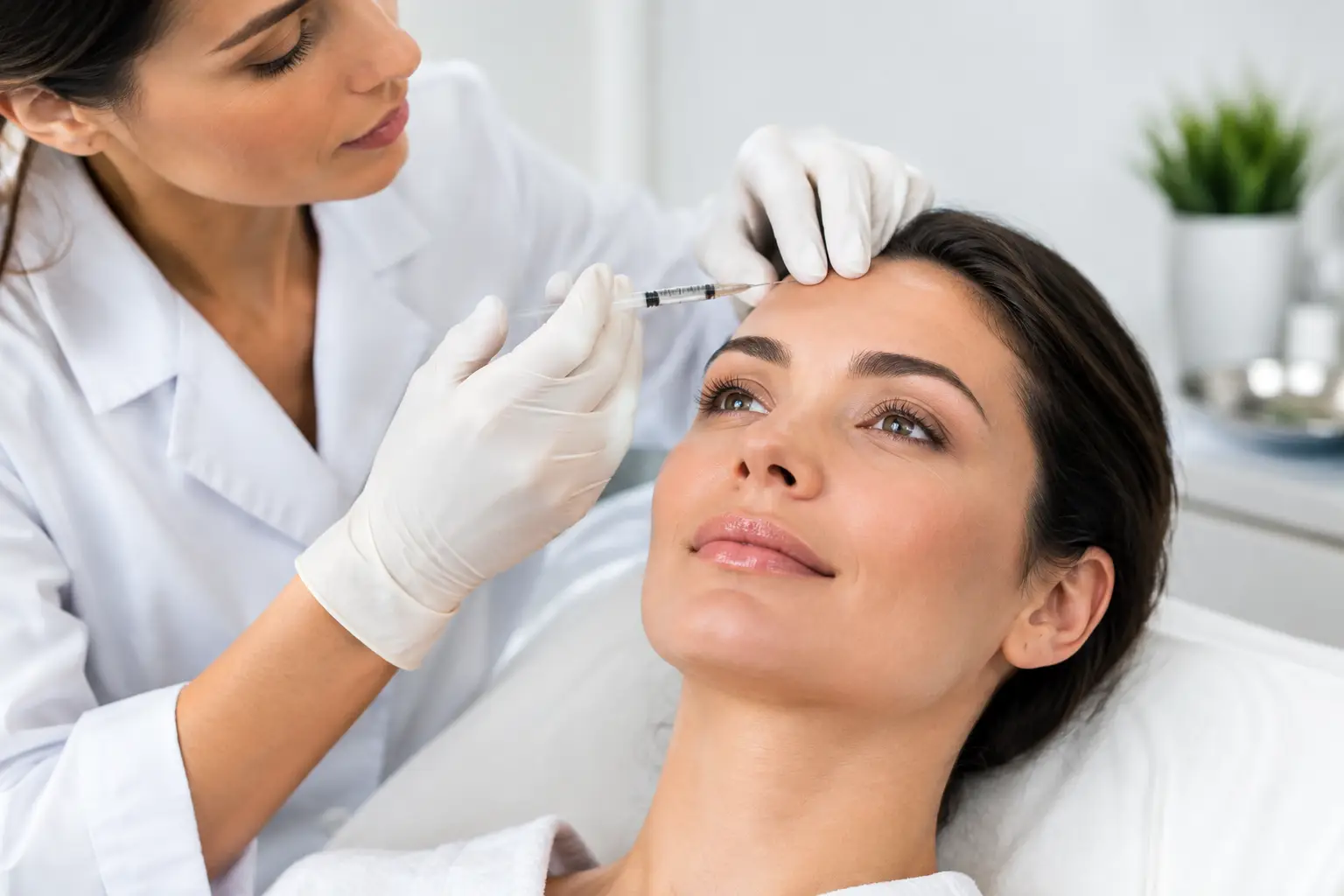
A Botox appointment is often brief, but the planning behind natural-looking results deserves more attention. This complete Botox treatment preparation guide explains how to arrive informed, minimize avoidable bruising, and work with your injector on a treatment plan that still looks like you.
Start With the Right Goal, Not a Filtered Reference
Botox Cosmetic is a neuromodulator that temporarily relaxes selected facial muscles. It is commonly used to soften expression lines in areas such as the forehead, between the eyebrows, and around the eyes. The goal is not to erase every movement or create a different face. For most patients, the most refined result is a rested, smoother appearance that preserves appropriate expression.
Before booking, think about what is bothering you in ordinary life, not only in close-up photos. Do you see a deeper line between your brows when concentrating? Does makeup settle into forehead lines? Do you want to soften crow’s feet while maintaining a genuine smile? These details give your provider a clearer starting point than a single celebrity image or social media trend.
Bring reference photos only if they help communicate the degree of movement you prefer. They should be conversation starters, not a promise of a duplicate result. Facial anatomy, muscle strength, skin quality, prior treatments, and your desired level of expression all affect dosing and placement.
Choose a Qualified Medical Provider
Botox is a medical treatment, not a one-size-fits-all beauty service. A careful assessment matters because the muscles that create expression lines also support brow position, eyelid opening, and facial balance. Proper technique requires an understanding of anatomy, product selection, and the conservative adjustments that create a natural result.
Seek a physician-led clinic or an appropriately qualified medical injector who completes a full consultation rather than simply asking which area you want treated. At Balwin Aesthetics, treatment planning is centered on individualized facial assessment, medical oversight, and results that complement each patient’s features.
During your consultation, ask who will perform the injections, what product is recommended, how much movement you can expect to retain, and when a follow-up assessment is appropriate. A reputable provider will also discuss possible side effects, limitations, and reasons to postpone treatment when needed.
Share Your Health History Honestly
Your consultation is the right time to disclose medications, supplements, allergies, previous cosmetic treatments, and relevant medical conditions. This information is not a formality. It helps your provider determine whether treatment is suitable and how to plan it safely.
Tell your injector if you have had Botox or another neuromodulator before, especially if you experienced eyelid heaviness, uneven results, an allergy, or results that wore off sooner than expected. Also mention any facial surgery, a history of facial weakness, neuromuscular conditions, swallowing or breathing concerns, or an infection, rash, or open wound near the proposed injection area.
Botox Cosmetic may not be appropriate during pregnancy or breastfeeding, since safety in these circumstances has not been established. If you are pregnant, breastfeeding, trying to conceive, or have a complex medical history, discuss your situation with your treating physician before scheduling.
Medications deserve the same level of care. Prescription blood thinners, certain antibiotics, muscle relaxants, and other medicines can affect treatment considerations or bruising risk. Do not stop prescribed medication to prepare for Botox unless the clinician who prescribed it specifically directs you to do so.
Plan the Week Before Your Appointment
A little scheduling can make a visible difference, particularly if you are new to injectable treatments or bruise easily. Botox itself requires minimal downtime, but small injection-point redness, swelling, tenderness, or a bruise can occur. These effects are usually mild and temporary, yet they are worth considering before a major presentation, wedding, photo session, or vacation.
If timing allows, schedule your first Botox treatment at least two weeks before an important event. Results do not appear immediately. Many patients begin noticing a change within several days, with the effect continuing to develop over about 10 to 14 days. Planning ahead also leaves room for a provider-directed follow-up if one is recommended.
In the days leading up to treatment, follow the clinic’s pre-appointment instructions. You may be asked to avoid alcohol for 24 hours before your visit because it can contribute to flushing and bruising. Your provider may also review non-prescription products and supplements that can increase bruising for some people, such as aspirin, ibuprofen, fish oil, vitamin E, ginkgo, or certain herbal products. These recommendations are individualized. Never change a medically necessary medication or supplement plan without approval from the clinician managing your care.
Avoid booking aggressive facial treatments immediately before Botox unless your provider advises otherwise. Chemical peels, microneedling, laser treatments, and other procedures can leave the skin temporarily sensitive. Spacing services appropriately helps your injector assess your skin and reduces unnecessary irritation.
What to Do on Treatment Day
Arrive with clean skin when possible. You do not need to arrive without makeup, but minimal makeup can make facial assessment and skin cleansing easier. If you are coming from work, your provider can remove makeup from the planned injection areas.
Eat and hydrate normally unless you have been given different medical instructions. A light meal can be helpful if you tend to feel faint around needles. Wear clothing that allows you to sit comfortably, and allow enough time for the consultation rather than trying to fit the appointment into a rushed break.
Be ready to discuss your current priorities again. Your facial movement can vary with stress, sleep, and expression, and an experienced injector will observe your face at rest and in motion. This is also your opportunity to say if you prefer a softer result, more retained movement, or a more noticeable smoothing effect. There is no universally correct amount of Botox. The right plan balances your goals with your anatomy and safety.
Most treatments involve several small injections and are completed quickly. Patients commonly describe the sensation as brief pinching. Topical numbing is not usually needed, although your clinic can discuss comfort options if you are particularly needle-sensitive.
Protect Your Results After the Appointment
Your provider’s aftercare guidance should always take priority, since instructions can vary based on your treatment areas and medical history. In general, avoid rubbing, massaging, or applying strong pressure to the injection sites for the period your injector recommends. This includes facial massage tools and treatments that place pressure on the face.
Many providers also advise remaining upright for several hours after treatment and postponing strenuous exercise until the next day. The purpose is simple: give the product time to settle in the intended area and avoid adding excess heat, pressure, or circulation immediately after injections. If you have a question about a workout, yoga class, sauna visit, or facial appointment, contact the clinic before proceeding.
Small raised bumps, pinpoint redness, mild swelling, tenderness, or bruising may occur at injection sites. A cool compress can help with comfort if advised by your provider. Avoid pressing firmly on treated areas. Makeup is often fine after the recommended waiting period, but apply it gently with clean hands or brushes.
Serious complications are uncommon when Botox is appropriately selected and administered, but they require prompt medical attention. Contact your provider urgently if you develop symptoms such as trouble swallowing, speaking, breathing, generalized muscle weakness, vision changes, or signs of an allergic reaction. If symptoms are severe or sudden, seek emergency care.
Know When to Assess Your Result
One of the most common preparation mistakes is judging Botox too early. The muscles do not relax instantly, and the final effect may take up to two weeks to become clear. Resist the urge to compare your face hour by hour or request more product within the first few days.
Take photos in consistent lighting before treatment and again at the two-week point if your clinic recommends it. A relaxed photo and an expression photo can show changes more accurately than a bathroom mirror on a busy morning. Your provider will assess symmetry, movement, brow position, and whether the result aligns with the plan discussed.
Botox results commonly last around three to four months, though longevity varies. Stronger muscles, faster metabolism, dosing strategy, and treatment area can all influence how long the effect remains visible. Consistent appointments may help you maintain your preferred look, but treatment intervals should be guided by your provider rather than a rigid calendar.
The best preparation is choosing a medical team you can speak with openly. When your goals, health history, schedule, and aftercare are considered together, Botox can remain a measured, confidence-building part of your aesthetic plan.
