
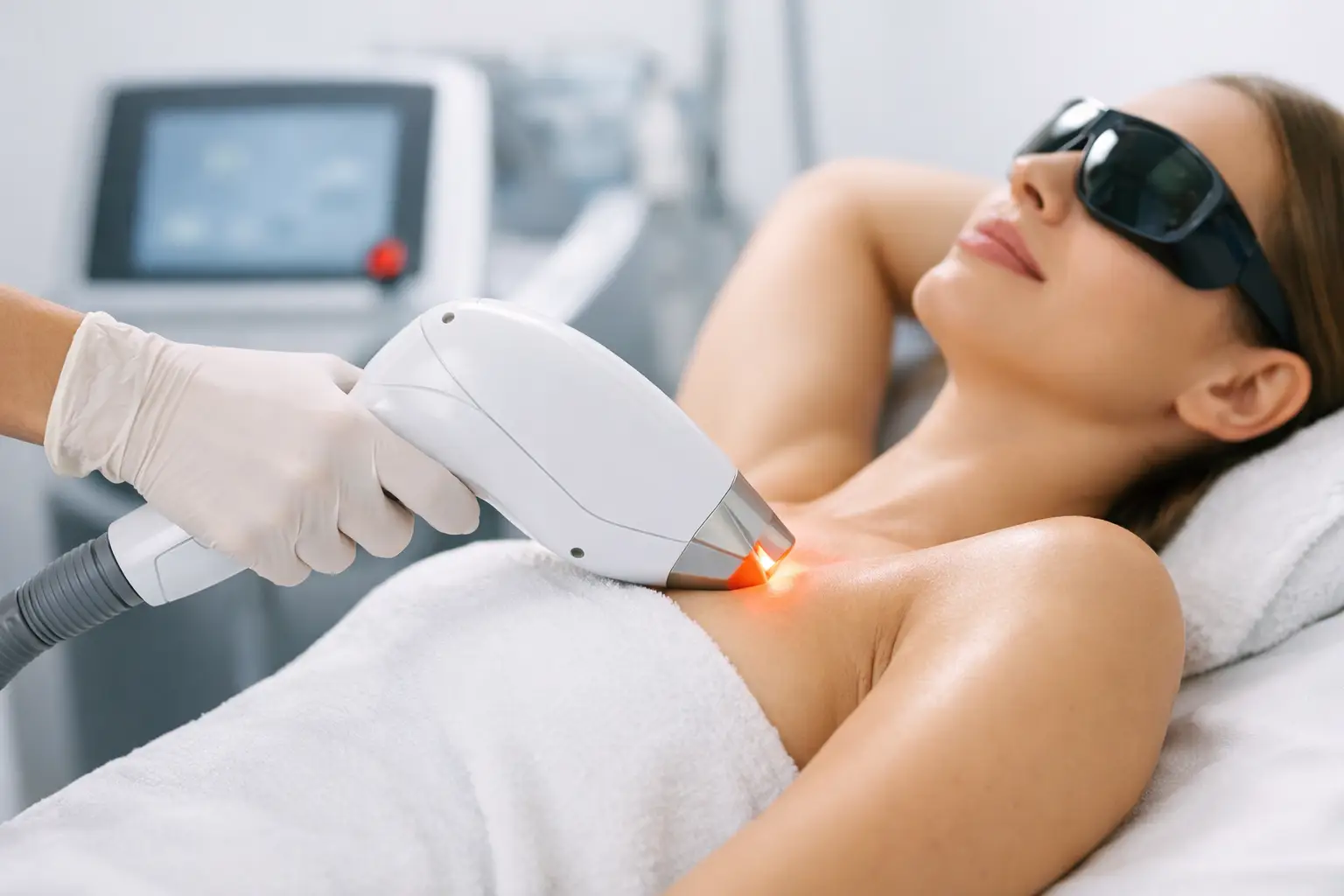
Shaving every few days gets old fast, especially when the result is still stubble, irritation, or ingrown hairs. If you have been wondering how laser hair removal works, the short answer is that it uses targeted light energy to reduce hair growth at the root without damaging the surrounding skin.
That simple explanation is true, but the real value is in understanding what the laser is actually targeting, why multiple sessions are necessary, and why treatment settings should be tailored to your skin and hair type. For patients who want smoother skin with less daily maintenance, laser hair removal can be an effective long-term option when it is performed with the right technology and proper medical oversight.
How laser hair removal works in the skin
Laser hair removal works by sending a concentrated beam of light into the skin, where pigment in the hair absorbs that energy. The pigment involved is melanin, which gives hair its color. When the melanin absorbs the laser energy, it converts that light into heat. That heat travels down the hair shaft and affects the follicle, which is the structure responsible for producing new hair.
The goal is not simply to burn visible hair above the skin. The goal is to damage the follicle enough that future growth is slowed, weakened, or stopped. That is why laser treatment is very different from shaving, waxing, or depilatory creams. Those methods remove or cut hair temporarily, but they do not meaningfully disrupt the follicle itself.
This process is called selective photothermolysis. The term sounds technical, but the principle is straightforward. The laser is selected to target darker pigment in the hair while minimizing heat injury to the surrounding tissue. When the treatment is chosen and performed correctly, it focuses on the hair structure more than the skin around it.
Why hair color and skin tone matter
Because the laser targets pigment, hair color plays a major role in results. Darker hair generally responds best because it contains more melanin to absorb the laser energy. Black and dark brown hair are often the easiest to treat effectively. Lighter blond, gray, white, and red hair can be much more difficult because there is less pigment for the laser to recognize.
Skin tone also matters, but not in a way that automatically rules treatment out. It simply affects which laser system and settings are safest and most effective. With deeper skin tones, there is more competing pigment in the skin, so the treatment has to be carefully calibrated to avoid overheating the surface while still targeting the follicle.
This is one reason a consultation matters. Laser hair removal is not one-size-fits-all. A medically guided approach helps determine whether you are a good candidate, what kind of response to expect, and how to plan treatment safely around your skin type, hair density, and treatment area.
Why multiple sessions are necessary
One of the most common questions patients ask is why laser hair removal cannot be done in a single session. The answer has to do with the hair growth cycle.
Hair grows in phases, and not every follicle is active at the same time. Lasers are most effective when a hair is in the anagen phase, which is the active growth stage where the follicle is most connected to the hair shaft. At any given moment, only a portion of your hairs are in that stage. Other hairs are resting or transitioning, which makes them less responsive to treatment.
That is why treatments are spaced out over time. Each session targets a new group of follicles as they enter the right phase. Most patients need a series of appointments to achieve meaningful reduction. The exact number depends on the area being treated, the thickness of the hair, hormonal influences, and how consistently sessions are scheduled.
In practical terms, laser hair removal is best thought of as progressive reduction rather than instant removal. Hair usually becomes finer, softer, slower to return, and less dense over the course of treatment. Some follicles may stop producing hair altogether, while others may eventually produce lighter or weaker regrowth.
What treatment feels like
Many patients expect laser hair removal to feel more intense than it actually does. Sensation varies by device, treatment area, and personal pain tolerance, but many people describe it as a quick snapping or warming feeling. Areas with coarser hair, such as the bikini line or underarms, may feel more noticeable than areas with finer hair.
Modern systems often include built-in cooling features to improve comfort and protect the skin. That said, comfort is only one part of the equation. The treatment should also be delivered with settings appropriate for your skin and hair profile, not simply adjusted to the highest tolerable level.
Appointments are usually relatively quick. Smaller areas like the upper lip or underarms can often be treated in minutes, while larger areas like the legs or back take longer. There is generally little downtime, and most patients return to normal activities the same day.
What to expect after a session
Immediately after treatment, mild redness or a slight sunburn-like sensation can occur. This is usually temporary. Over the next one to three weeks, treated hairs often begin to shed. That shedding can look like regrowth at first, but it is actually part of the process as the damaged hairs work their way out of the follicle.
It is important to know that laser hair removal does not mean all hair disappears overnight. Results build gradually. You may notice patchiness at first, then longer periods between shaving, then finer and less visible regrowth after additional sessions.
Sun protection and aftercare instructions matter. Recently treated skin can be more sensitive, and excessive sun exposure can increase the risk of irritation or pigment changes. Patients are also usually advised to avoid plucking or waxing between sessions because those methods remove the hair that the laser needs to target.
How laser hair removal works on different areas
The basic mechanism stays the same, but results can vary by body area. Underarms and bikini areas often respond well because the hair tends to be dark and coarse. Legs and arms can also show strong improvement, though larger areas may require more patience simply because of the volume of follicles being treated.
Facial hair can be more nuanced. It often responds, but hormonal factors can make maintenance more important, especially for women dealing with chin or jawline hair. In some cases, patients need periodic touch-up treatments even after completing an initial series.
For men, common treatment areas include the back, chest, neck, and beard line. Laser can be especially helpful for reducing razor bumps and ingrown hairs along the neckline. Still, very dense male hair may require more sessions than finer body hair in other patients. This is another case where expectations should be individualized.
Safety, trade-offs, and who should be careful
Laser hair removal has a strong safety profile when performed by qualified professionals using appropriate devices and protocols. Even so, this is still a medical aesthetic treatment, not a casual add-on service. Skin type, active tanning, medications, recent sun exposure, and certain skin conditions can all affect whether treatment should be adjusted or postponed.
The main trade-off is that convenience comes with commitment. Laser hair removal can reduce the burden of shaving and waxing, but it requires a series of appointments and realistic expectations. It also works better on some hair types than others. If your hair is very light or your hormonal hair growth is significant, your treatment plan may need to be more conservative or include maintenance over time.
This is where physician-led assessment adds value. A good provider should explain not only the benefits, but also the limits. That kind of honest guidance tends to produce better outcomes and fewer surprises.
Is laser hair removal permanent?
The most accurate answer is that laser hair removal provides long-term hair reduction, not always absolute permanent removal of every follicle. Many treated hairs do not return, and many others return finer and less noticeable. But the body is biologically active, and hormones, age, and individual genetics can all influence future growth.
For many patients, that still represents a major improvement. Needing an occasional maintenance treatment is very different from constant shaving, recurring ingrowns, or regular waxing appointments. In a clinic setting focused on personalized care, the goal is not just fewer hairs. It is smoother skin, less irritation, and a treatment plan built around what feels worth it for you.
If you are considering laser hair removal, the smartest next step is not guessing based on someone else’s results. It is getting a professional assessment of your skin, hair, and goals so the plan matches your biology as well as your expectations. At Balwin Aesthetics, that kind of informed decision-making is exactly where good treatment begins.
