
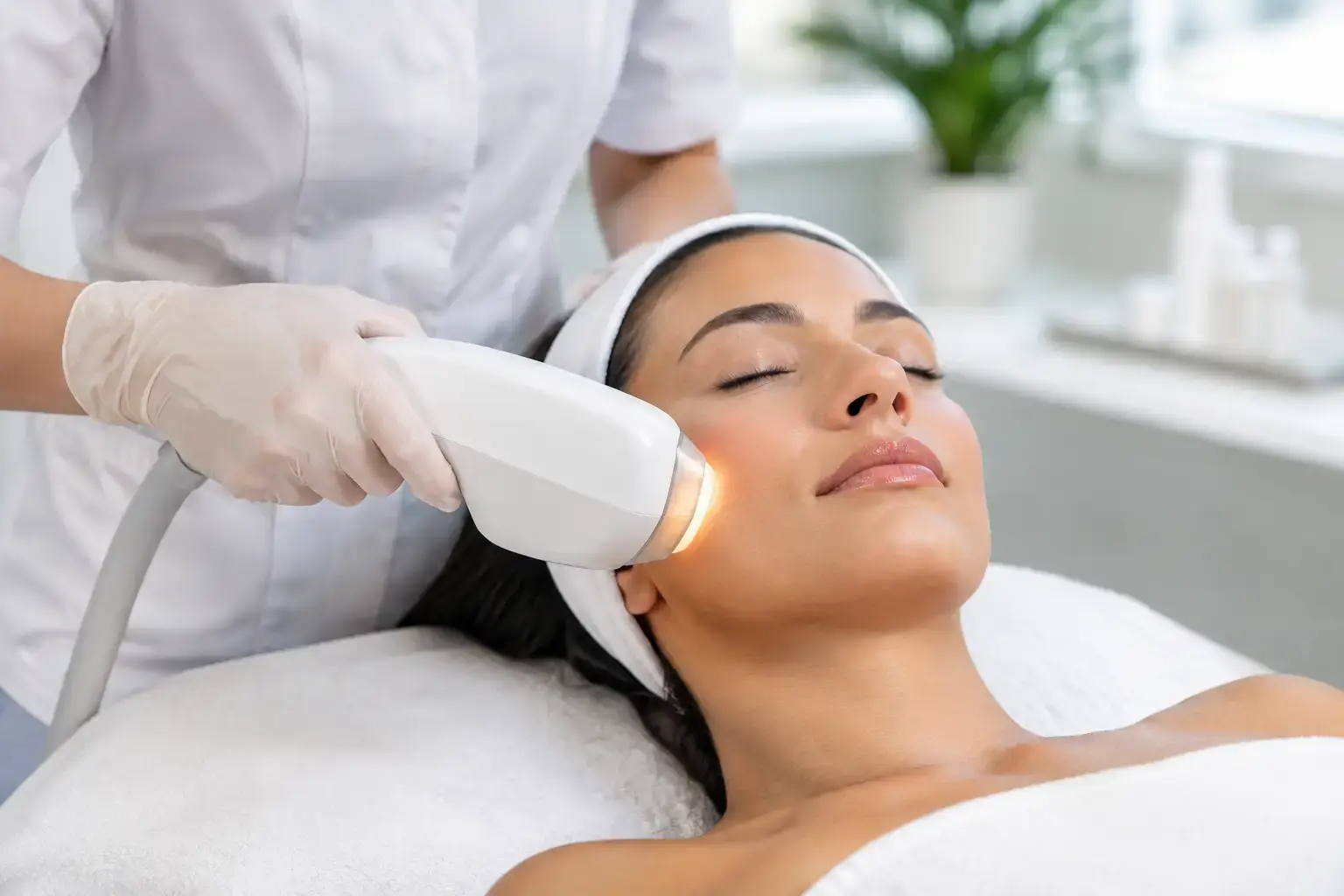
A glowing complexion is a worthwhile goal, but the name of a treatment should never be the only reason to book it. A K Lux treatment is often marketed as a skin-brightening, complexion-refining experience inspired by Korean aesthetic principles. However, K Lux is not a single, standardized medical procedure. The technologies, products, and treatment steps included can vary considerably from one provider to another.
That distinction matters. The best results come from understanding exactly what is being performed, why it is appropriate for your skin, and who is overseeing your care. For patients seeking refined, natural-looking skin renewal, a personalized plan is more valuable than a trending treatment name.
What is a K Lux treatment?
In many aesthetic settings, K Lux is used to describe a customized facial rejuvenation protocol focused on luminosity, hydration, smoother texture, and a more even-looking tone. Depending on the clinic, it may combine professional exfoliation, targeted serums, light-based technology, microneedling, laser-based skin renewal, or other complexion-focused treatments.
The concept generally aligns with a polished, healthy-skin appearance rather than dramatic alteration. Patients may seek it to address dullness, early signs of aging, uneven texture, visible pores, mild pigmentation, or skin that no longer responds well to an at-home routine.
Still, the label alone does not tell you whether a treatment uses energy, needles, acids, or topical products. It also does not indicate the strength of the treatment, expected downtime, or whether it is suitable for your skin tone and medical history. Before proceeding, ask the provider to describe the exact protocol in clear terms.
What concerns can a K Lux treatment address?
When thoughtfully designed, a K Lux-style treatment plan may support several common skin goals. It can be particularly appealing for adults who want improved skin quality without surgery or extensive recovery time.
Dullness and uneven texture
Surface buildup, dehydration, sun exposure, and slower cell turnover can make skin look tired even when you are well rested. Professional exfoliation and skin-renewal treatments can help improve light reflection at the surface of the skin, creating a fresher, smoother appearance.
Results depend on the method. A gentle facial may offer a short-term glow, while treatments that encourage cellular turnover or collagen remodeling may provide more gradual, longer-lasting improvement. Neither approach is inherently better. The right choice depends on your priorities, schedule, and skin sensitivity.
Fine lines and early loss of firmness
Fine lines are influenced by facial movement, collagen changes, sun exposure, and skin hydration. Certain treatment protocols may improve the appearance of fine lines by supporting collagen production or improving skin texture. This is different from treating lines caused primarily by muscle movement, which may be better addressed with neuromodulators such as Botox.
A physician-led consultation helps separate these concerns. Many patients benefit from a combination plan rather than expecting one facial treatment to solve every aspect of facial aging.
Pigmentation and uneven tone
Sun spots, post-inflammatory marks, and melasma require careful assessment. Some K Lux treatment protocols may include ingredients or devices intended to brighten the complexion, but not every option is appropriate for every pigment concern.
Aggressive treatment can worsen discoloration in some patients, especially when there is a history of melasma, deeper skin tones, recent tanning, or skin inflammation. Proper diagnosis, conservative settings when indicated, and consistent sun protection are essential to achieving an even result safely.
Enlarged pores and acne-related texture
Pores cannot be permanently erased, but their appearance can often be softened when skin texture, oil balance, and collagen support improve. Microneedling, selected laser treatments, and medical-grade skincare may be considered for patients with visible pores or mild acne scarring.
Active acne, cystic breakouts, or significant scarring may call for a different plan. A treatment should be selected around the current condition of the skin, not simply because it is popular on social media.
Why the treatment details matter more than the name
A polished treatment menu can make aesthetic care feel straightforward, but skin biology is individual. Two patients who both ask for a K Lux treatment may need entirely different recommendations. One may need gentle exfoliation and hydration before an event. Another may be better served by a series of microneedling or laser sessions for persistent texture and pigment concerns.
The details also shape safety. Ask whether the protocol includes a chemical peel, laser or light device, microneedling, injectable skin boosters, or active topical ingredients. You should know what is being used, who will administer it, how it works, and what recovery to expect before treatment begins.
At a medically supervised clinic, the consultation should include an assessment of your skin condition, relevant health history, medications, previous procedures, and desired outcome. This is especially important if you are prone to cold sores, keloid scarring, hyperpigmentation, eczema, rosacea, or prolonged irritation after cosmetic treatments.
What to expect before and after treatment
Your appointment should begin with a discussion of your concerns rather than a predetermined protocol. Clear photos may be taken to document baseline skin quality and guide future treatment decisions. Your provider may recommend pausing retinoids, exfoliating acids, or certain hair-removal methods beforehand, depending on the treatment being performed.
During the procedure, comfort measures vary. Some treatments feel like a light tingling or warmth, while microneedling and certain laser procedures may require topical numbing. The appointment can range from a brief refresh treatment to a longer medical aesthetic visit, particularly if multiple modalities are used.
Aftercare is equally important. Mild redness, warmth, dryness, flaking, or temporary sensitivity can occur after exfoliating and energy-based procedures. More intensive treatments can involve several days of visible recovery. Your provider should give you specific instructions rather than a generic aftercare sheet.
For most complexion-focused treatments, simplify your routine during healing. Use a gentle cleanser, a bland moisturizer, and daily broad-spectrum sunscreen. Avoid heat exposure, vigorous exercise, saunas, tanning, and harsh active ingredients for the period recommended by your provider. Do not pick at flaking skin or post-treatment dryness, as this can increase irritation and pigment changes.
How many treatments will you need?
A single appointment may provide a temporary boost in hydration and radiance. Concerns such as acne scarring, stubborn pigmentation, fine lines, and uneven texture usually require a series of treatments spaced over time. Collagen-focused procedures also need patience because the skin remodels gradually.
Be cautious about promises of permanent glass-like skin after one session. Healthy skin has texture, pores, and normal variation. The goal should be clearer, more even, well-supported skin that still looks like you.
Maintenance depends on the modality, your skincare routine, sun exposure, hormonal changes, and the concern being treated. Some patients choose occasional treatments before important events, while others follow a structured plan over several months. Your provider should explain what is realistic for your goals and budget before you commit.
Choosing a provider for K Lux skin renewal
A treatment can be beautifully branded and still be poorly matched to the patient. Look beyond promotional images and ask practical questions: What exactly is included? What device or products are used? Is the treatment appropriate for my skin tone and concern? Who performs it? What are the expected benefits, limitations, risks, and recovery requirements?
Credentials and oversight matter most when a protocol includes lasers, microneedling, peels, or any procedure that intentionally creates controlled skin injury. A physician-led aesthetic practice can assess whether the treatment is appropriate, identify alternatives when it is not, and adjust the plan if your skin needs a more conservative approach.
At Balwin Aesthetics, treatment planning centers on informed decisions, medical supervision, and results that enhance rather than change your natural appearance. A consultation can clarify whether a K Lux-style protocol, a laser treatment, microneedling, a chemical peel, or a combined approach is the most effective next step for your skin.
The most rewarding aesthetic treatment is not the one with the most appealing name. It is the one selected with care, performed safely, and designed around the skin you have today and the confidence you want to carry forward.
