
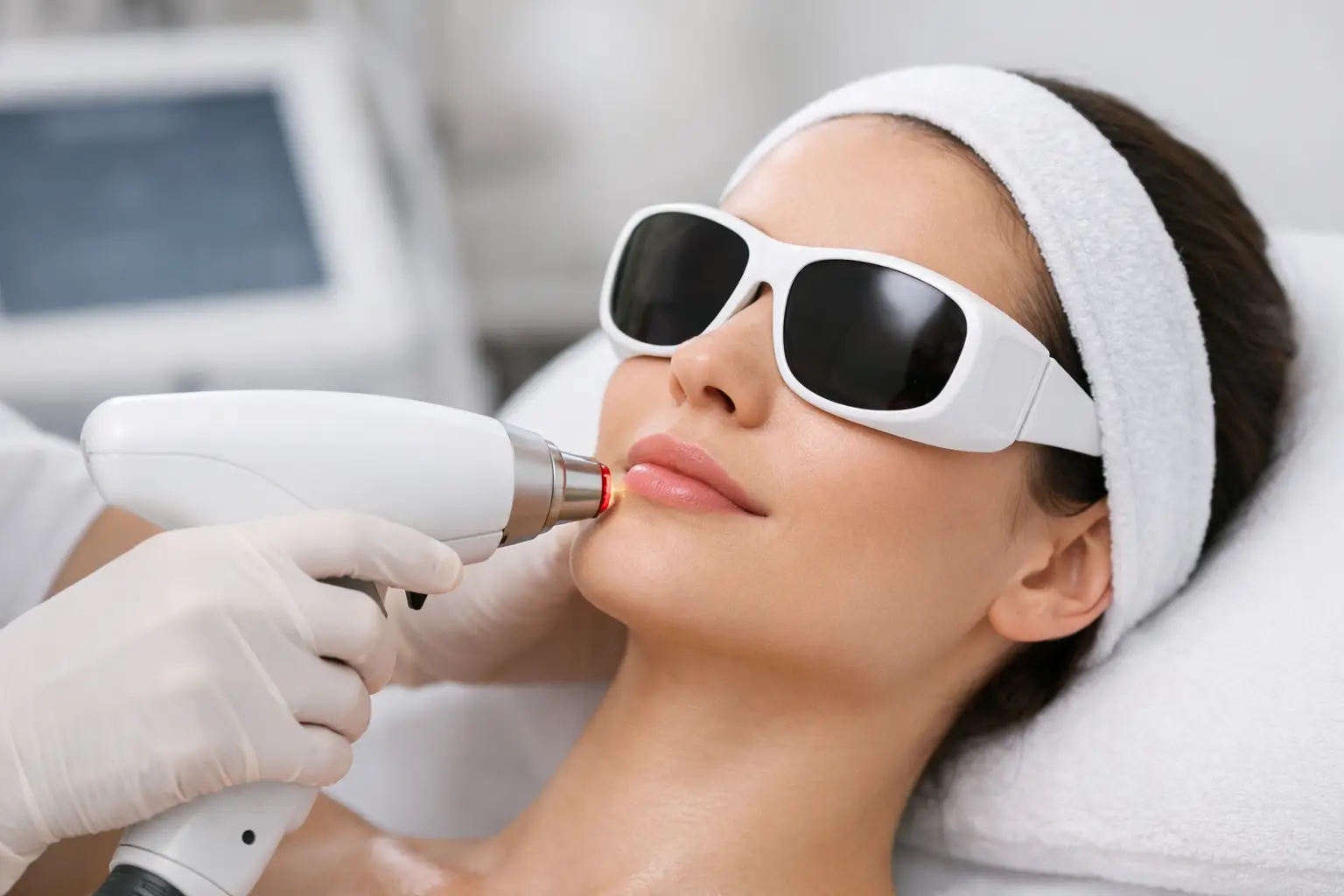
Facial hair tends to feel more personal than hair elsewhere on the body. It is front and center, harder to hide, and often tied to daily habits like tweezing, threading, shaving, or waxing. For many patients, laser hair removal for face becomes appealing not just because of convenience, but because they want smoother skin, fewer ingrown hairs, and a more polished look without constant upkeep.
Why facial hair removal needs a different approach
Treating the face is not the same as treating the legs or underarms. Facial skin is more visible, often more reactive, and frequently affected by other concerns such as pigmentation, acne, rosacea, or sensitivity from active skincare. Hair on the face can also be finer, lighter, and more hormonally influenced, which means results may be less predictable than they are on areas with coarse, dark hair.
That does not make treatment ineffective. It means planning matters. A medically supervised assessment helps determine whether the hair being treated is likely to respond well, whether your skin tone requires a specific laser setting, and whether there are underlying factors such as hormonal shifts that could affect long-term outcomes.
This is one reason facial laser treatment should never feel like a one-size-fits-all service. The right candidate, device, and treatment interval all influence the result.
How laser hair removal for face works
Laser energy targets melanin in the hair shaft and follicle. That heat damages the follicle enough to slow or reduce future hair growth. Because lasers work best when hair is actively growing, multiple sessions are necessary. Not every follicle is in the same phase at the same time, so a series is needed to catch more hairs during their responsive stage.
On the face, common treatment areas include the upper lip, chin, jawline, sideburns, cheeks, and sometimes the neck. Some patients want treatment in a very defined area, while others benefit from a broader plan because isolated treatment can leave surrounding darker hairs more noticeable.
Most people describe the sensation as quick snaps of heat or a rubber-band flick. Facial sessions are generally short, especially for smaller areas like the upper lip or chin.
Who tends to be a good candidate
The best results usually occur when there is a strong contrast between the hair color and the skin tone, especially dark, coarse hair against lighter skin. That said, modern laser technology has expanded treatment options for a wider range of skin tones when used appropriately and by experienced medical professionals.
The bigger limitation is usually the hair itself. Very light blond, red, gray, or white hair may not respond well because there is not enough pigment for the laser to target effectively. Fine facial fuzz can also be difficult to treat. In some cases, it may not be the right indication for laser at all.
Hormonal facial hair is another area where realistic expectations matter. Hair growth on the chin, jawline, and neck may improve significantly with treatment, but maintenance sessions are often needed over time. If a patient has polycystic ovary syndrome or another hormonal driver, the treatment plan may need to account for that rather than promise permanent clearance.
Areas that commonly respond well
The upper lip is one of the most requested facial areas because it is small and easy to treat, though it can also be one of the more sensitive spots. The chin often responds well when the hairs are dark and coarse. Jawline and sideburn areas can also show good improvement, particularly when unwanted growth is dense enough to create visible shadowing or irritation.
Cheeks can be more nuanced. Some patients have clearly pigmented hair that can be treated well, while others have very fine hair that may not be ideal for laser. This is where proper consultation matters. Treating the wrong type of hair on the face is not simply unhelpful – it can lead to disappointing outcomes.
What results actually look like
One of the most common misconceptions is that laser removes every hair forever after a single package of sessions. In reality, laser hair removal is best understood as long-term hair reduction. Hair usually grows back slower, finer, and more sparsely. Many patients notice they need to shave or manage the area far less often, and the skin looks calmer because there is less irritation from repeated mechanical removal.
Most treatment plans involve a series spaced several weeks apart. Improvement builds gradually. After the first session, you may notice treated hairs shedding over the next one to three weeks. With additional treatments, the density drops and regrowth becomes less obvious.
Some patients achieve very stable long-term improvement. Others, especially those with hormonally driven facial hair, may need occasional maintenance to keep results consistent. That is not a treatment failure. It is part of treating an area influenced by biology, not just hair growth cycles.
Safety matters more on the face
Because the face is constantly exposed and highly visible, safety should be a central part of the conversation. This includes choosing the correct laser for your skin type, protecting the eyes, reviewing current skincare use, and understanding any history of pigmentation issues.
Sun exposure matters. Recently tanned skin increases the risk of burns and post-inflammatory hyperpigmentation. Retinoids, exfoliating acids, and other strong actives may also need to be paused around treatment depending on the area and your skin sensitivity. Patients prone to cold sores may require special planning before treatment around the mouth.
A physician-led clinic can evaluate these factors before the first session rather than after a reaction occurs. That level of oversight is especially valuable when treating darker skin tones, reactive skin, or facial areas with concurrent pigment concerns.
Preparing for treatment
Preparation is usually simple, but it should be followed carefully. The treatment area should be clean and free of makeup, self-tanner, and heavy skincare products. Patients are typically advised to avoid plucking, waxing, or threading before a session because the follicle needs to remain in place for the laser to target it. Shaving is usually allowed and often preferred.
If you are managing breakouts, melasma, or other active facial concerns, mention that during consultation. Timing may need to be adjusted, or the treatment plan may need to be coordinated with your broader skin care regimen.
Recovery and aftercare
Recovery is generally mild. Temporary redness and slight swelling around the follicles are common and often resolve within hours to a day. The skin may feel warm or mildly sensitive right after treatment. Most patients return to normal activities quickly, though sun protection is essential.
Aftercare usually focuses on minimizing irritation. Gentle skincare, avoiding heat exposure for a short period, and using sunscreen consistently all support a smoother recovery. It is also important not to pick at shedding hairs or aggressively exfoliate too soon.
If your skin is sensitive, facial aftercare may deserve more attention than body aftercare. A polished result depends on both the treatment itself and how well the skin settles afterward.
When laser hair removal for face may not be the right choice
Not every type of facial hair should be treated with laser, and not every patient is an ideal candidate at every moment. If the hair is too light or too fine, results may be limited. If the skin is actively irritated, deeply tanned, or affected by certain medications, delaying treatment may be safer.
Pregnancy policies vary by clinic, but many practices choose to postpone elective laser treatment. Patients with a history of pigment changes, keloid scarring, or photosensitive disorders also need individualized assessment.
The right answer is not always yes right away. Sometimes the best care is a more cautious recommendation, a different timing strategy, or a discussion about alternative methods.
Choosing a provider matters
Facial laser treatment sits at the intersection of cosmetic improvement and medical judgment. The device matters, but the evaluation behind the treatment matters just as much. An experienced provider should assess hair color and texture, skin tone, sensitivity, current products, sun habits, and the possibility of hormonal influence before giving you a plan.
At a physician-led clinic such as Balwin Aesthetics, that process is designed to be personalized rather than transactional. For patients investing in facial aesthetics, that distinction matters. The goal is not just less hair. It is smoother skin, a safer experience, and results that fit naturally into your overall appearance goals.
If facial hair has become a daily frustration, laser can be a very worthwhile option when the indication is right. The best next step is a thoughtful consultation that tells you not only what is possible, but what is realistic for your skin and hair over time.
