
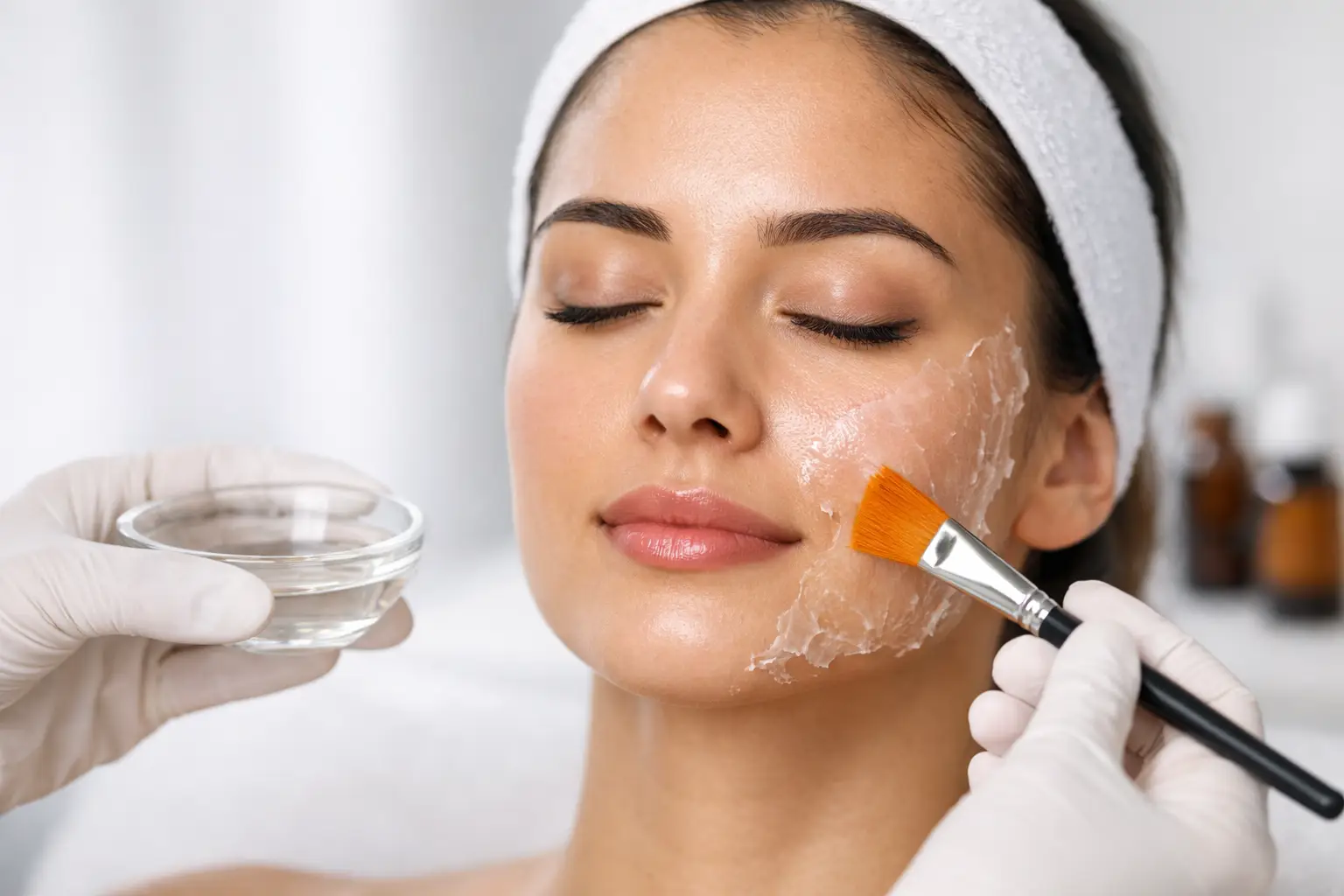
A good chemical peel should not leave you guessing whether anything happened. The skin usually looks smoother, brighter, and more even once it has healed, but the real value is in what changes below the surface. If you have been wondering what does a chemical peel do, the short answer is this: it removes damaged outer skin cells in a controlled way so healthier skin can come forward.
That sounds simple, but the effect can be meaningful when the treatment is selected properly. Chemical peels are used to improve tone, texture, acne, post-acne marks, sun damage, and early signs of aging. They can also be adjusted in strength, which is why one person may have light flaking and another may have several days of visible peeling.
What does a chemical peel do, exactly?
A chemical peel applies a solution to the skin to exfoliate it at a controlled depth. As the treated skin sheds, cell turnover increases and the complexion can become smoother and more refined. Depending on the formula and strength, a peel may work mainly on the surface or reach deeper layers where it can stimulate more noticeable renewal.
In practical terms, that means a peel can soften rough texture, help fade discoloration, reduce congestion, and improve the look of fine lines. Some peels are designed for acne-prone skin, while others are better for pigmentation or dullness. The goal is not to make skin look overtreated. The goal is healthier-looking skin with a more even finish.
This is also why professional assessment matters. The same treatment category can produce very different outcomes depending on your skin tone, sensitivity, active breakouts, history of pigmentation, and how aggressive you want to be with downtime.
How chemical peels improve common skin concerns
For many patients, the first thing they notice is brightness. Dead skin buildup can make the complexion look tired, uneven, or flat. By removing that buildup, a peel often reveals skin that reflects light better and feels smoother to the touch.
Texture is another major reason people choose peels. If your skin feels rough, looks congested, or has mild superficial acne scarring, a series of treatments may help refine the surface. Results are typically progressive rather than instant, especially when scarring or long-standing damage is involved.
Pigmentation can also respond well. Sun spots, post-inflammatory marks from acne, and patchy uneven tone may improve with the right peel. That said, pigmentation is one of the areas where treatment selection has to be careful. More intensity is not always better, particularly in deeper skin tones or in anyone prone to post-inflammatory hyperpigmentation.
For acne, chemical peels can help in two ways. Certain acids exfoliate inside the pore lining and reduce clogging, while others help calm oiliness and speed the fading of leftover marks. A peel is not always the only answer for acne, but it can be a useful part of a broader treatment plan.
Fine lines and early sun damage may also soften, especially with repeated treatments. A superficial peel will not replace a facelift or deeper resurfacing procedure, but it can improve skin quality in a way that looks fresh and natural.
Different peel depths, different results
Not every peel is meant to create dramatic visible peeling. That is one of the biggest misconceptions patients have.
Superficial peels work on the outermost layers of skin. These are often chosen for dullness, mild acne, slight discoloration, and maintenance. They usually involve less downtime and can be done as a series. You may have light flaking, or sometimes very little visible peeling at all, yet still see improvement.
Medium-depth peels reach further and can address more noticeable pigmentation, texture changes, and fine lines. These treatments generally involve more recovery and require closer guidance afterward.
Deeper peels are less common in many aesthetic practices because they come with significantly more downtime, aftercare, and risk. They can produce stronger results, but they are not the right fit for everyone.
The best peel is not the strongest peel. It is the one that matches your skin concern, your skin type, and your tolerance for downtime.
What does a chemical peel do for acne scars and dark spots?
This is where expectations need to be realistic. A chemical peel can improve the appearance of acne marks and certain types of superficial scarring, but it does not erase all scars. Flat red or brown post-acne marks often respond better than deep pitted scars.
Dark spots from sun exposure or previous breakouts may fade gradually with a series of peels, especially when paired with proper home care and strict sunscreen use. But if pigment sits deeper in the skin or if melasma is involved, results can be slower and recurrence is common. In those cases, maintenance and combination treatment often matter as much as the peel itself.
For deeper textural acne scars, peels may be part of the plan rather than the whole plan. Treatments such as microneedling, laser procedures, or PRP may be recommended depending on the scar type and skin tone.
What treatment feels like and what recovery looks like
During a peel, patients often describe tingling, warmth, or a mild stinging sensation. The intensity depends on the formula, the skin being treated, and the depth of the peel. Professional application is designed to be controlled and monitored closely.
Afterward, the skin may look pink, feel tight, and become dry before it starts to flake or peel. Some people peel visibly around the nose and mouth first. Others just notice a rough, sandpapery texture for a few days. Recovery is not always dramatic, and visible peeling is not the only sign that the treatment worked.
Sun protection is essential after any peel. Freshly treated skin is more vulnerable to UV exposure, and skipping sunscreen can compromise results and increase the chance of unwanted pigmentation. Gentle skincare matters too. This is not the time for scrubs, retinoids, or strong active products unless your provider tells you otherwise.
Who is a good candidate for a chemical peel?
Many healthy adults are good candidates, especially if they want a non-surgical treatment for uneven tone, breakouts, fine lines, or dull texture. Peels can work well for both men and women and can be customized for different skin goals.
Still, candidacy is not automatic. Sensitive skin, active eczema, certain medications, recent sunburn, open lesions, or a history of abnormal pigment response may change the approach. Skin tone also matters. Patients with richer skin tones can absolutely benefit from chemical peels, but product choice and treatment depth should be thoughtful to reduce risk.
This is one reason physician-led assessment adds value. At Balwin Aesthetics, treatment planning is centered on skin condition, history, and desired outcome rather than using the same peel for every patient.
When a chemical peel may not be the best option
A peel is helpful, but it is not the answer for every concern. If your main issue is significant skin laxity, deeper facial volume loss, broken blood vessels, or pronounced pitted scarring, another treatment may be more effective. Sometimes the best result comes from combining treatments rather than relying on one.
There is also a trade-off between intensity and convenience. A lighter peel may fit a busy schedule but require multiple sessions. A stronger peel may bring more visible change but also more downtime and more aftercare. Neither approach is automatically better.
That is why consultations should be specific. The right question is not just, “Will a peel help?” It is, “Which peel makes sense for my skin, my goals, and my lifestyle?”
How many treatments do you need?
Some patients notice a refreshed look after one peel, particularly when treating dullness or minor congestion. More stubborn issues such as acne, discoloration, or textural irregularities usually respond best to a series. Skin renewal takes time, and consistent treatments tend to produce more reliable improvement than one isolated session.
Maintenance may also be recommended. Skin continues to age, pigment can return, and breakouts can recur. A thoughtful plan often includes both in-clinic treatment and home skincare to protect the progress you make.
The bottom line on what a chemical peel does
A chemical peel prompts controlled skin renewal. It can brighten a tired complexion, smooth rough texture, improve acne and post-acne marks, soften fine lines, and support more even-looking skin. The exact result depends on the type of peel, the depth, and whether it is truly matched to your skin.
If you are considering one, the smartest next step is not choosing the strongest option. It is choosing a provider who can tell you when a peel is the right treatment, when it is not, and how to get results that look polished, healthy, and natural.
