
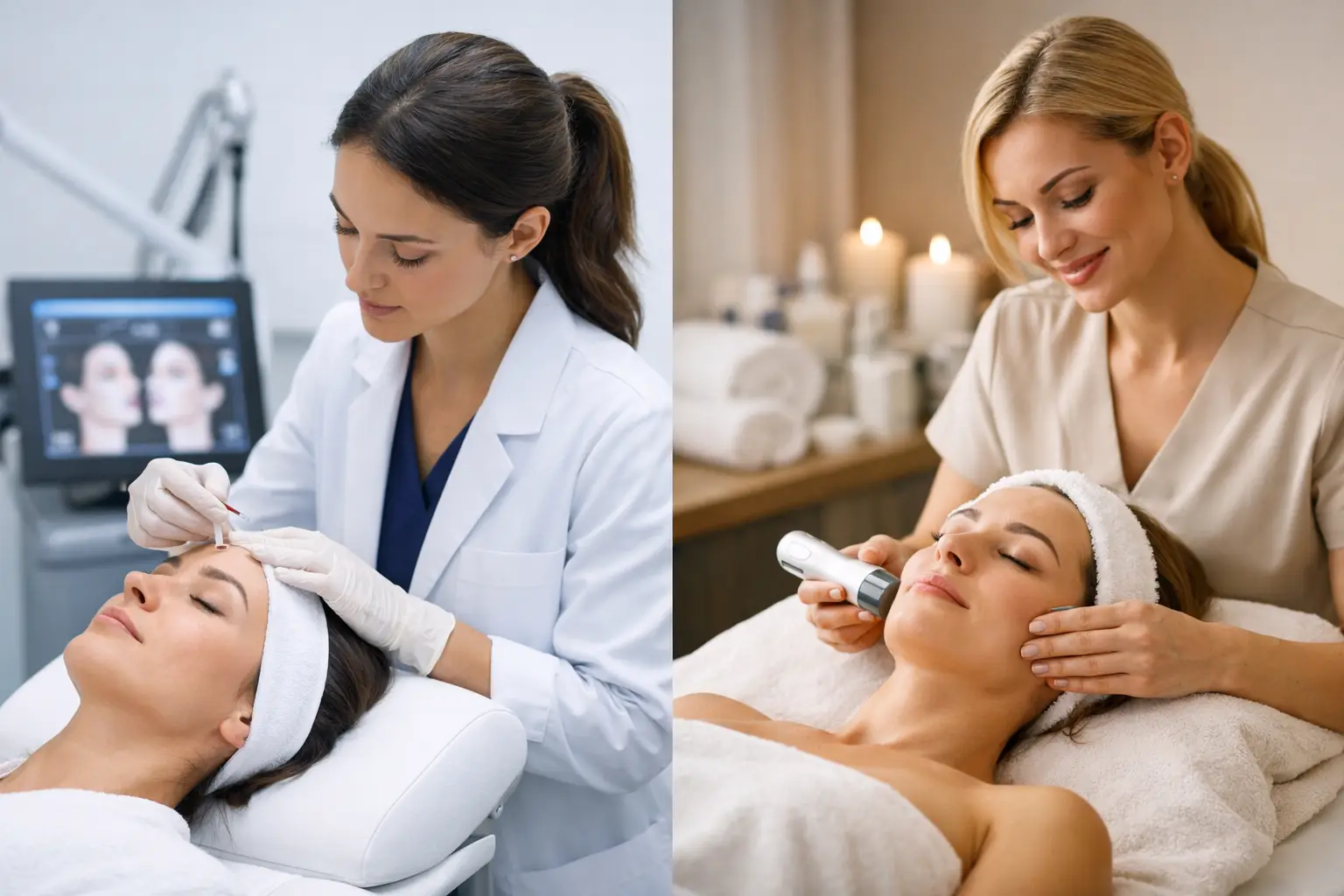
If you are comparing a medical aesthetics clinic versus med spa, the real question is not which one sounds more luxurious. It is which setting gives you the right level of medical oversight, treatment precision, and long-term planning for your skin, face, or hair concerns.
For many patients, the terms get used interchangeably. That is part of the problem. Both may offer cosmetic treatments, both may look polished, and both may promise refreshed results. But the experience, clinical structure, and treatment philosophy can be very different. When you are trusting someone with injectables, laser treatments, or procedures that affect your skin health and appearance, those differences matter.
Medical aesthetics clinic versus med spa: what is the difference?
A medical aesthetics clinic is typically built around medical supervision, diagnosis-informed treatment planning, and procedures performed or overseen by qualified medical professionals. The focus is not only on making you look better for the next event, but on creating a treatment plan that is safe, appropriate, and tailored to your anatomy, skin condition, and goals.
A med spa often blends aesthetic treatments with a spa-like environment. Some med spas are well-run and medically supervised. Others lean more heavily into relaxation, convenience, and menu-style services. That does not automatically make them unsafe or ineffective, but it does mean the level of clinical involvement can vary widely from one location to another.
This is why the label alone is not enough. A med spa may have excellent providers. A medical aesthetics clinic may still differ in how hands-on the supervising physician is. The meaningful distinction is how treatment decisions are made, who is delivering care, and what happens if your case is more complex than expected.
Why the setting matters for results and safety
Cosmetic treatments may be non-surgical, but they are still medical procedures. Botox affects muscle activity. Fillers alter facial volume and contour. Lasers generate controlled energy in the skin. PRP, microneedling, and chemical peels all rely on proper patient selection and technique.
In the right hands, these treatments can create refined, natural-looking improvement. In the wrong setting, they can produce uneven results, poor treatment sequencing, unnecessary complications, or plans that chase trends instead of serving your face.
A physician-led medical aesthetics clinic generally approaches treatment with a stronger emphasis on assessment. That means reviewing your skin type, anatomy, medical history, current medications, previous cosmetic work, and long-term goals before recommending anything. This level of evaluation becomes especially important if you have rosacea, pigmentation concerns, acne scarring, vascular issues, hair thinning, or a history of reacting poorly to treatments.
A spa-forward model may be more likely to present treatments as stand-alone services. That can feel simple and convenient, but cosmetic care is rarely one-size-fits-all. The same filler amount, peel strength, or laser setting should not be used the same way for every patient.
The consultation tells you a lot
One of the clearest ways to tell whether you are in a true medical environment is the consultation itself. Are you being educated, examined, and guided? Or are you mostly being sold a treatment from a menu?
A strong consultation should explain what is appropriate, what is not, what level of improvement is realistic, and whether another treatment would serve you better. Sometimes the best answer is not to proceed that day. That kind of restraint is usually a sign of clinical judgment, not a lack of options.
Provider credentials change the standard of care
When patients compare a medical aesthetics clinic versus med spa, credentials should be near the top of the list. Who performs the treatment? Who developed the plan? Who is supervising care? And how visible is that supervision in actual practice?
In a physician-led clinic, medical leadership is usually part of the operating model, not just part of the marketing. That often means more rigorous treatment protocols, stronger complication management, and a more thoughtful approach to balancing safety with cosmetic goals.
This matters most for injectable treatments and energy-based devices. Botox and dermal fillers require an advanced understanding of facial anatomy, movement patterns, and proportion. Laser treatments require careful adjustment based on skin tone, concern, and risk profile. Even treatments that seem straightforward can go wrong when they are performed without enough training or oversight.
That does not mean every med spa has underqualified staff. Some employ skilled nurses or experienced injectors. But because the category is broad, standards can be inconsistent. Patients often assume all providers offering the same treatment have equivalent training. They do not.
Treatment philosophy: quick service or personalized planning?
Another major difference is how your care is organized over time. A medical aesthetics clinic is more likely to build treatment plans around progression. Instead of asking, “What can we do today?” the better question becomes, “What combination of treatments will improve your results over the next three, six, or twelve months?”
That distinction matters if your concerns overlap. Fine lines may also involve volume loss. Dull skin may reflect texture, pigment, and vascular issues at once. Hair thinning may call for a restorative approach rather than a cosmetic cover-up. A clinic model tends to connect those dots more effectively.
A med spa may be ideal for patients looking for maintenance facials or lower-commitment treatments in a more casual setting. There is nothing inherently wrong with that. But if your goals involve facial balancing, injectable refinement, pigment correction, scarring, or physician-supervised rejuvenation, a clinic setting is often better equipped to guide you.
When a med spa may be enough
If you are seeking a lighter aesthetic service, have uncomplicated goals, and are confident in the provider’s qualifications, a med spa may be an appropriate choice. Some patients prefer the atmosphere, shorter visits, or broader spa menu.
The key is not to confuse comfort with expertise. A beautiful interior and a friendly experience are valuable, but they are not substitutes for medical judgment.
Questions worth asking before you book
Before committing to any provider, ask a few direct questions. Who will perform your treatment? What credentials do they hold? Is there an on-site medical director or physician oversight? How are complications handled? Will you receive a personalized plan or just choose from a service menu?
You should also ask how the provider approaches natural-looking results. In aesthetic medicine, more is not always better. A qualified clinic should be able to explain how they avoid overfilling, overtreating, or recommending procedures that do not fit your features.
Photos can help, but they are only one part of the picture. Pay attention to whether the results shown look balanced, consistent, and believable. The best aesthetic work usually does not announce itself from across the room.
Choosing based on your goals, not just the label
The best choice depends on what you want treated, how much clinical oversight you need, and how important individualized planning is to you. If your priority is medical credibility, advanced non-surgical treatment options, and a tailored strategy for natural results, a physician-led clinic is usually the stronger fit.
That is especially true for injectables, laser treatments, pigmentation concerns, vascular issues, PRP, scar revision, and hair restoration services. These are not treatments to shop for based on ambiance alone. They require good judgment before, during, and after the appointment.
For patients who want a more elevated standard of care, the difference often becomes obvious once they sit down for a proper consultation. At Balwin Aesthetics, that physician-led, education-first approach is part of what helps patients feel informed rather than pressured.
A polished space can make you feel welcome. A skilled provider can help you feel confident. The right setting should give you both. When your face, skin, and long-term results are involved, choose the environment that treats aesthetics with the level of care it deserves.
