
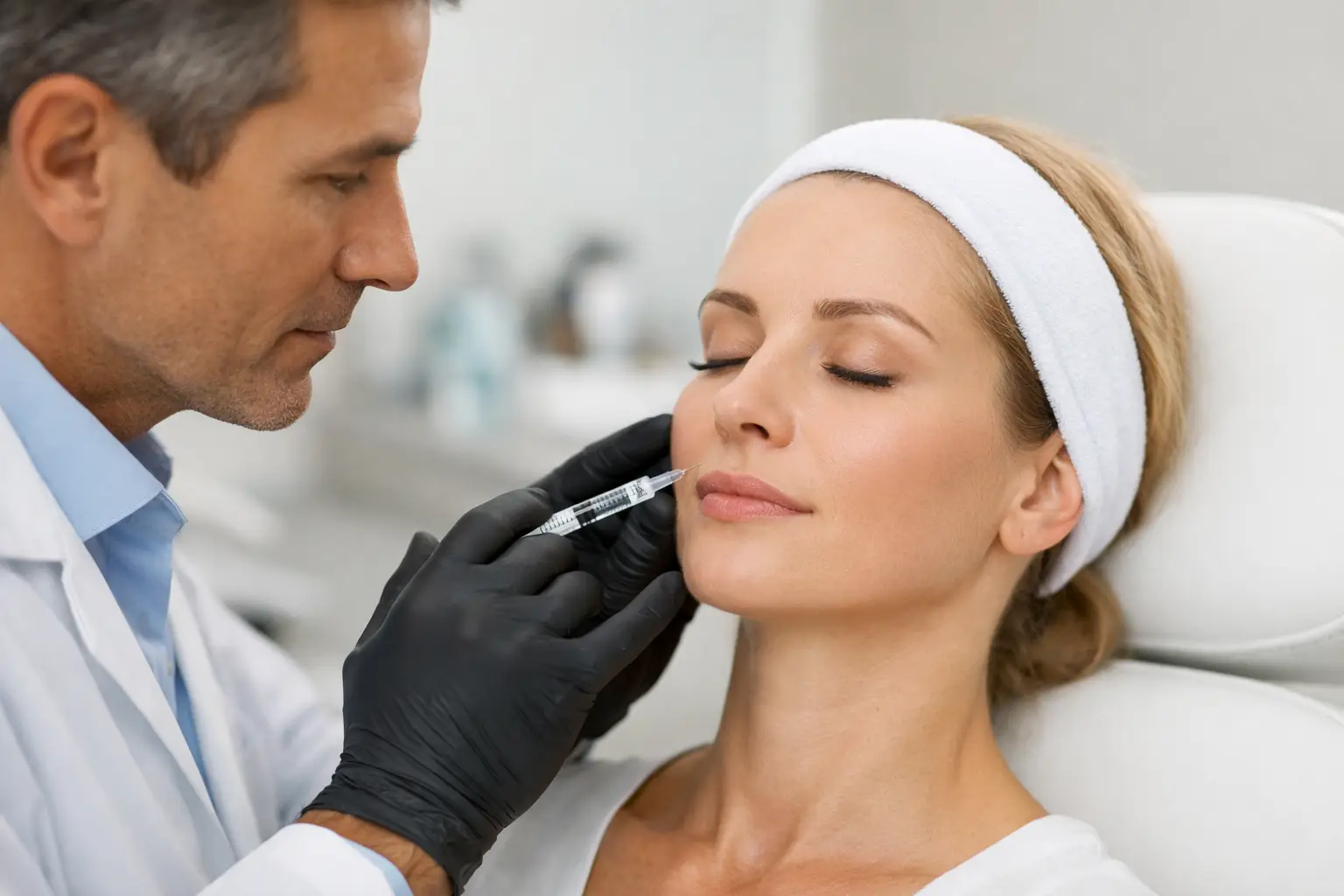
A few units too much in the wrong place can change an expression. Filler placed without a clear plan can make a face look puffy instead of refreshed. That is why physician supervised cosmetic injections matter – not as a marketing phrase, but as a standard of care for people who want noticeable improvement without sacrificing safety or natural results.
Injectables can be subtle, effective, and low downtime, but they are still medical treatments. Botox, dermal fillers, and PRP are not one-size-fits-all services. They require an understanding of facial anatomy, skin quality, muscle movement, product behavior, and the way the face changes with age. A physician-led approach helps ensure treatment is based on clinical judgment rather than trends, aggressive sales tactics, or a cookie-cutter dose.
What physician supervised cosmetic injections really mean
Not every clinic uses the term the same way, which is why patients should look beyond the wording. Physician supervised cosmetic injections should mean a licensed medical environment where treatment decisions are guided by a physician with appropriate training in aesthetic medicine, facial assessment, and complication management. It also means there is a clear medical standard behind patient selection, treatment planning, informed consent, and follow-up care.
That does not always mean a physician personally performs every injection. In many reputable clinics, trained medical injectors work within a structured system of physician oversight. The difference is that supervision is active, not symbolic. The physician sets protocols, assesses suitability, supports complex cases, and is available to manage complications if they occur.
For patients, this matters because cosmetic injectables sit at the intersection of aesthetics and medicine. You are not only paying for a product. You are relying on judgment.
Why medical oversight changes the outcome
The best injectable results rarely look obvious. Most patients want to look rested, smoother, or more balanced, not overfilled or frozen. Reaching that outcome requires restraint as much as skill.
A physician-supervised clinic is more likely to begin with a full facial evaluation rather than jumping straight to the area that bothers you most. For example, under-eye hollowness may not be best treated with filler alone. A heavy frown can involve muscle movement, skin quality, and brow position. Lip enhancement may look beautiful on one person and exaggerated on another, depending on lip shape, facial proportions, and tissue support.
Medical oversight also helps with the less glamorous but more important part of treatment – knowing when not to treat. Some patients are not ideal candidates for certain fillers. Some need skin-focused treatments before injectables. Some are asking injectables to solve a problem better addressed by laser, microneedling, PRP, or a more gradual plan. Saying no, or not yet, is often a sign of a higher standard of care.
Physician supervised cosmetic injections and safety
Safety should never be treated as a bonus feature. It is the baseline.
Injectables are generally well tolerated, but they are not risk free. Bruising, swelling, asymmetry, and product migration are common concerns. More serious complications, while less common, can include vascular occlusion, tissue injury, infection, and allergic or inflammatory reactions. Neurotoxins can also create unwanted effects if placed incorrectly, such as eyelid heaviness or an unnatural brow shape.
Physician supervised cosmetic injections offer an added layer of protection because the clinic is prepared to prevent, recognize, and respond to problems quickly. That includes proper patient screening, precise technique, emergency protocols, product knowledge, and follow-up care. It also means the treatment plan is based on anatomy and indication, not just what is popular on social media.
This matters especially in areas like the lips, nose, tear troughs, and cheeks, where anatomy is more complex and mistakes are harder to hide. Even in experienced hands, there are trade-offs. A softer lip enhancement may require more than one session. Correcting volume loss too quickly can look unnatural. Conservative treatment is often the safer and more elegant choice.
The difference between natural-looking and overdone
Patients often say they want a natural result, but natural can mean different things. For some, it means softer lines while preserving expression. For others, it means subtle volume restoration that does not announce itself. In a physician-led setting, natural-looking outcomes usually come from individualized planning rather than maximizing product use.
That planning starts with proportion. The face should be treated as a whole. If the midface has lost support, adding filler only to the lower face can create imbalance. If someone has strong muscle pull in the forehead, treating one area without considering the rest of the upper face may lead to an awkward result. Good injection work is often about harmony, not volume.
There is also timing to consider. Some people benefit from treating gradually over several visits. Others may need maintenance rather than more correction. More product is not always better. In many cases, the most sophisticated result comes from doing less, with a clear long-term plan.
What to expect from a quality consultation
A strong consultation should feel educational, not pressured. You should leave understanding your options, expected results, possible side effects, recovery, and how long results typically last.
In a physician-supervised clinic, consultation usually includes a review of your medical history, allergies, medications, prior cosmetic treatment, and the specific concern you want to address. From there, the provider assesses facial anatomy, skin condition, movement patterns, and treatment suitability. This is where a personalized plan takes shape.
Sometimes the recommendation is straightforward, such as Botox for dynamic forehead lines or filler for age-related volume loss. Other times, the answer is more layered. Skin texture, pigmentation, acne scarring, redness, or thinning hair may respond better when injectables are combined with procedures like PRP, microneedling, chemical peels, or laser-based treatment. The right plan depends on your goals, budget, timeline, and tolerance for downtime.
That level of honesty is valuable. It helps patients make informed decisions instead of chasing quick fixes.
How to choose where to get injectables
If you are comparing providers, credentials and oversight should carry real weight. Ask who is evaluating you, who is performing the injections, and what physician involvement actually looks like. A polished treatment room does not replace medical structure.
It is also worth asking how the clinic approaches complications, revisions, and follow-up. A reputable practice should be able to explain its process clearly. Before-and-after photos can be helpful, but they should show consistency and restraint, not only dramatic transformations.
You should also pay attention to how recommendations are made. If every concern is met with the same product or the same number of syringes, that is a red flag. A better approach is tailored and often more conservative. At Balwin Aesthetics, that physician-led standard is part of the appeal for patients who want refined results with a strong emphasis on safety and individualized care.
When physician supervision matters most
It matters in every case, but especially if you are new to injectables, have had unsatisfactory treatment elsewhere, or want correction in a high-risk or highly visible area. It also matters if you have a complex medical history, prior filler that needs assessment, facial asymmetry, or goals that involve multiple treatments over time.
Patients seeking preventative Botox in their 20s may need a very different plan than someone addressing volume loss, skin laxity, and etched lines in their 50s or 60s. Men often need a different dosing and shaping strategy than women. Ethnic facial features should be respected, not erased by a generic beauty template. These details are where expertise shows.
Cosmetic injections can be an excellent option when done thoughtfully. They can soften lines, restore balance, improve facial contours, and support a fresher appearance without surgery. But the quality of the outcome depends on more than the syringe. It depends on assessment, restraint, anatomy knowledge, and a medical standard that puts your face and safety first.
If you are considering injectables, choose a clinic that treats them as medical artistry grounded in physician oversight. The best result is not simply that you look better. It is that you still look like yourself, only more rested, confident, and in control of how you age.
