
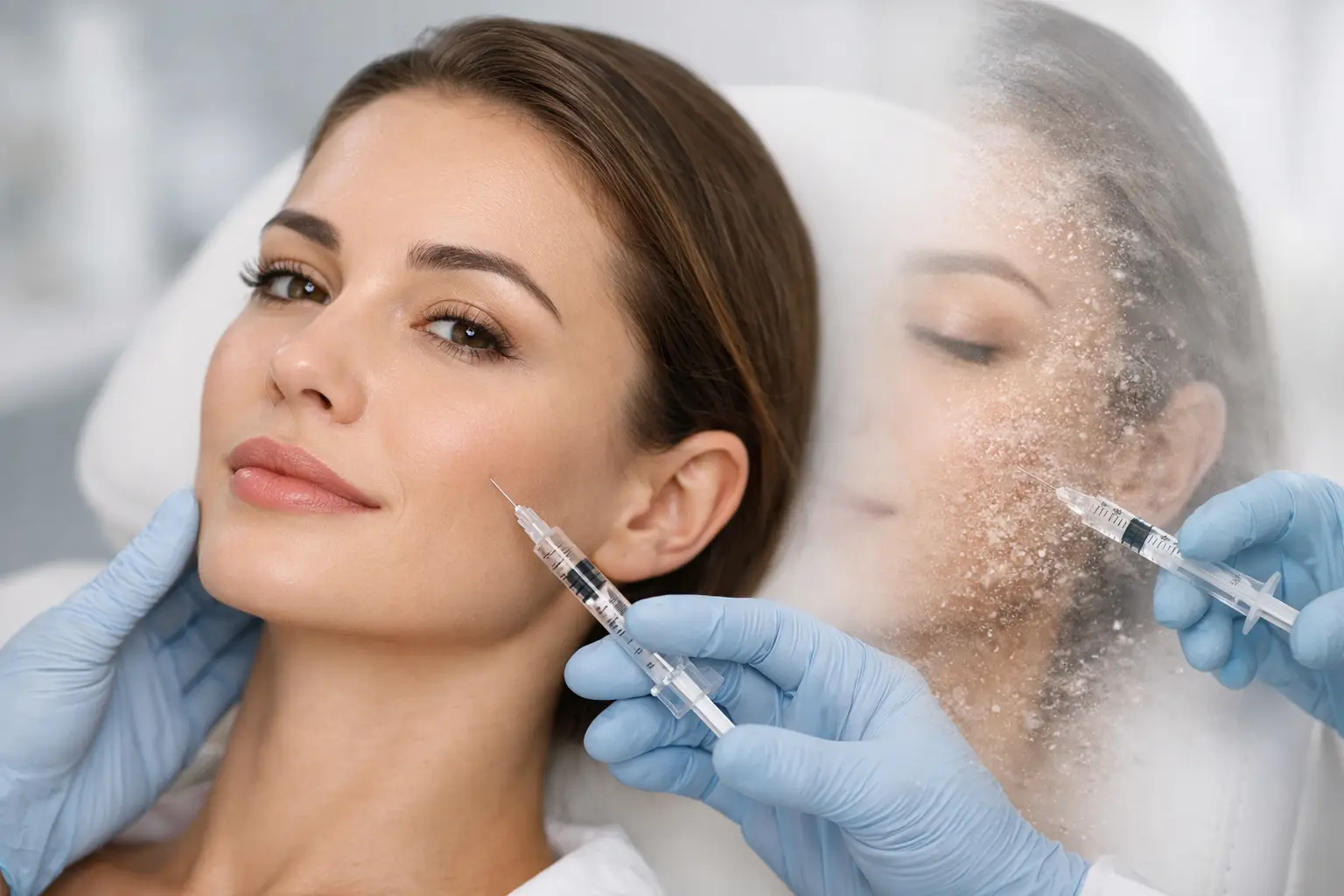
A filler treatment can look beautifully subtle when it is planned well. But one question matters before any syringe is opened: are dermal fillers reversible? For many patients, the answer affects whether they feel comfortable moving forward at all.
The short answer is that some dermal fillers are reversible, and some are not. That distinction is one of the most important parts of treatment planning. If you are considering filler for the lips, cheeks, jawline, under-eyes, or smile lines, it helps to understand what can be adjusted, what can be dissolved, and why physician oversight matters when something does not look or feel right.
Are dermal fillers reversible for every type of filler?
No. Dermal fillers are not all made from the same material, and reversibility depends on the product used.
Hyaluronic acid fillers are the most commonly reversible type. These fillers are made from a substance that occurs naturally in the body and can be dissolved with an enzyme called hyaluronidase. Common treatment areas include the lips, nasolabial folds, marionette lines, cheeks, and under-eye hollows.
Other filler categories do not reverse in the same way. Biostimulatory fillers and longer-lasting fillers work differently in the tissue. Some encourage collagen production over time rather than simply occupying space. Because of that, they cannot usually be dissolved on demand with the same straightforward approach used for hyaluronic acid products.
This is why the product choice matters just as much as the injector. If reversibility is high on your priority list, that should be discussed before treatment, not after.
How reversal works with hyaluronic acid fillers
When a hyaluronic acid filler needs to be reduced or removed, hyaluronidase can be injected into the treated area. This enzyme breaks down the filler so the body can clear it more quickly.
In practice, the process is usually more nuanced than many people expect. Some patients need only a small amount of hyaluronidase to soften an overfilled area or correct asymmetry. Others need a more conservative, staged approach, especially in delicate areas like the lips or under-eyes. In some cases, complete reversal is not the goal. A physician may recommend partial dissolving to preserve a natural contour while improving balance.
Results can begin fairly quickly, often within 24 to 48 hours, although final settling may take a little longer. If a large amount of filler was placed or if the filler has integrated into the tissue over time, more than one session may be needed.
Why patients choose to dissolve filler
Not every reversal is the result of a complication. In many cases, patients simply want a different look.
Some feel the result is too full for their features. Others notice unevenness, puffiness, migration, or a texture issue that becomes more obvious in certain lighting. Lip filler is a common example. A patient may want more definition but end up feeling that the lips look heavier or less refined than expected.
There are also medical reasons for dissolving filler. Persistent swelling, vascular compromise, or a misplaced product in a high-risk area requires prompt assessment. This is where training and anatomical expertise become especially important. A skilled injector does not just know how to place filler. They need to know when not to place it, how to monitor for concerns, and how to respond appropriately if correction is necessary.
Are dermal fillers reversible if they have been there for a long time?
Sometimes, yes. Hyaluronic acid filler can often still be dissolved even if it was injected months or years earlier. That said, older filler may not behave exactly like freshly placed filler.
Over time, filler can integrate into surrounding tissue, and the treatment area may also change because of natural aging, collagen loss, weight fluctuations, or repeated injections. A patient may believe all visible fullness is leftover filler when part of what they are seeing is actually their anatomy, fluid retention, or tissue laxity.
That is why an in-person evaluation matters. Dissolving everything is not always the best answer. In some cases, a more precise plan involves removing only part of the product and then reassessing after the tissue settles.
What filler reversal can and cannot fix
Reversal can be very effective, but it is not a magic reset button.
If the issue is truly hyaluronic acid filler placed in the wrong amount or location, dissolving often helps significantly. It can improve contour, reduce bulk, and correct visible overfilling. It is also a key safety tool when urgent complications arise.
But not every concern after filler is caused by the filler alone. If the area already had skin laxity, hollowing, asymmetry, or structural imbalance, dissolving may remove volume without creating the refreshed look a patient had hoped for. Occasionally, patients discover that the filler had been masking an underlying concern rather than causing it.
This is one reason experienced clinics approach correction carefully. A thoughtful plan may involve dissolving, waiting, and then deciding whether a more precise reinjection strategy is appropriate.
Is dissolving filler safe?
When performed by a qualified medical professional, hyaluronidase is generally considered safe and effective. Still, it is a medical treatment, not a casual add-on.
There can be swelling, tenderness, bruising, and temporary unevenness as the area adjusts. Rarely, an allergic reaction can occur, which is why proper medical screening is important. Another consideration is that hyaluronidase can affect not only the filler but also some of the body’s natural hyaluronic acid in the area. This is usually temporary, but it helps explain why some patients feel they look flatter immediately after dissolving than they expected.
The bigger safety issue is often not the enzyme itself. It is poor assessment, incorrect dosing, or treatment by someone who does not fully understand anatomy and complication management. Reversing filler well requires judgment, not just access to a product.
When you should seek urgent evaluation
Most cosmetic concerns can wait for a scheduled follow-up, but some symptoms should be evaluated right away. Severe pain, whitening of the skin, unusual discoloration, blistering, or a dusky appearance after filler can signal compromised blood flow. Visual symptoms after facial filler are especially urgent.
These situations are uncommon, but they are the reason medical oversight matters. Prompt recognition and treatment can make a meaningful difference in outcome.
Questions to ask before getting filler
If reversibility matters to you, ask what type of filler is being recommended and whether it can be dissolved. Ask why that product fits your anatomy and goals. Ask what the plan would be if you were unhappy with the result or if a complication occurred.
A strong consultation should leave you feeling informed, not pressured. It should also be honest about trade-offs. Reversible fillers offer flexibility, but they still require precise placement and realistic expectations. The fact that something can be dissolved does not make injector skill less important. If anything, it highlights the need for a clinic that approaches aesthetics conservatively and medically.
The best way to think about filler reversibility
The most reassuring answer to are dermal fillers reversible is this: many popular fillers can be adjusted or dissolved, but treatment should never rely on reversal as the backup plan. The better approach is careful product selection, conservative dosing, and a personalized injection strategy designed around your features.
At a physician-led clinic such as Balwin Aesthetics, that conversation starts before treatment, with a clear discussion of what is being used, why it is being used, and how to protect both safety and natural-looking results.
If you are considering filler, look for expertise before convenience. The right injector will not just tell you whether a filler can be reversed. They will help you choose a treatment plan that feels right the first time.
