
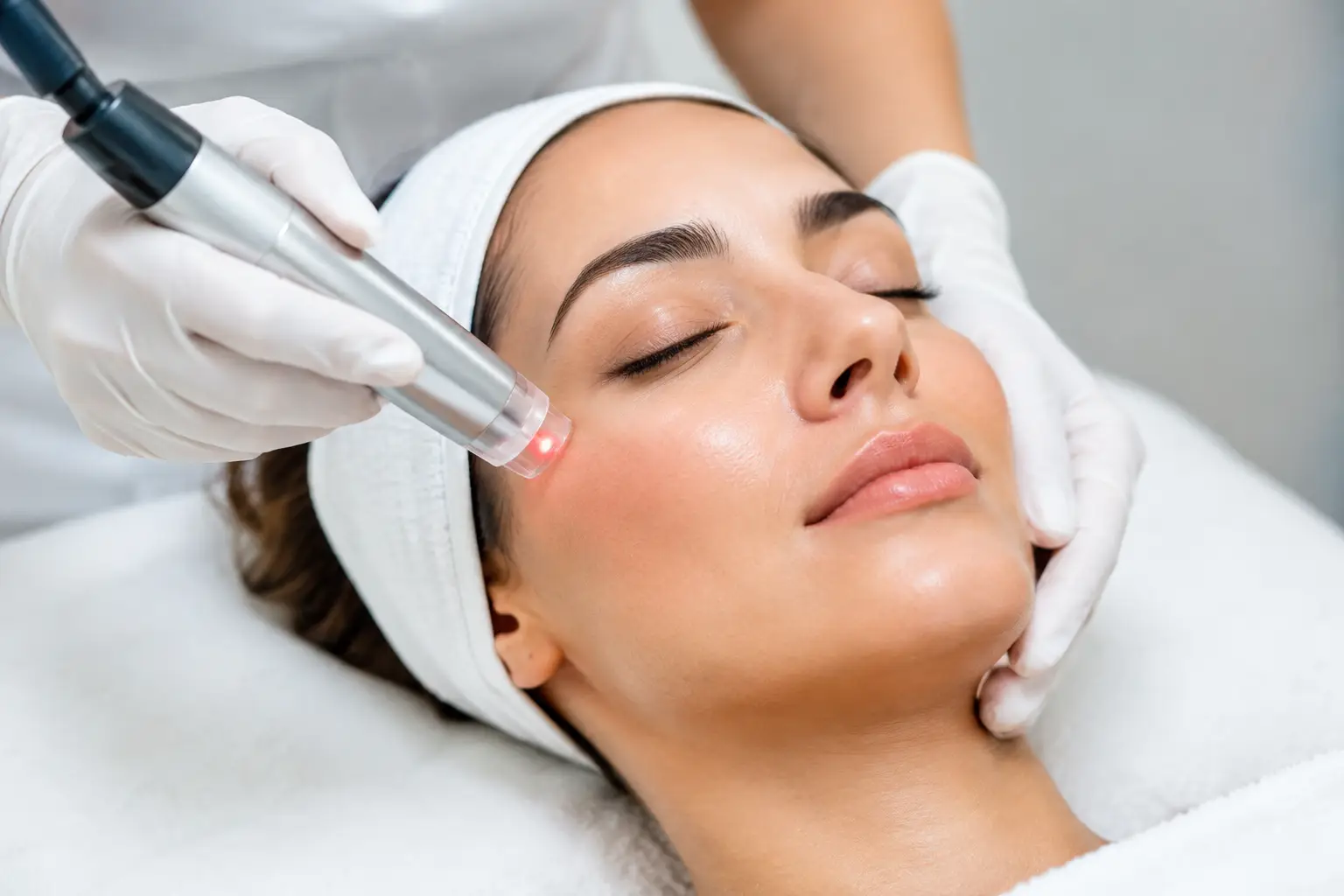
A polished makeup routine can soften the look of uneven tone, enlarged pores, and fine lines, but it cannot change the underlying texture of the skin. Laser resurfacing is designed to address that deeper layer. By delivering controlled energy to the skin, it can encourage collagen renewal and help improve concerns that topical products alone may not fully correct.
For patients who want visible skin renewal without surgery, this treatment can be a meaningful part of a personalized facial rejuvenation plan. The right laser, settings, and recovery approach depend on your skin type, concern, lifestyle, and tolerance for downtime.
What Is Laser Resurfacing?
Laser resurfacing uses focused light energy to create carefully controlled changes in the skin. Depending on the technology used, the laser may remove very fine layers of damaged surface skin, heat tissue below the surface to stimulate collagen production, or do both.
Ablative lasers remove part of the outer skin layer and typically produce more dramatic improvement in wrinkles, texture, and certain scars. They also involve more recovery time. Non-ablative lasers heat the deeper skin while leaving the surface largely intact. They generally require less downtime but may call for a series of treatments to achieve the desired improvement.
Fractional technology can be used with either approach. Rather than treating every millimeter of skin, a fractional laser treats microscopic columns within the skin and leaves surrounding tissue intact. This can support healing while still stimulating meaningful collagen remodeling.
The best option is not necessarily the strongest laser. It is the treatment that balances your goals, skin characteristics, comfort level, and ability to follow post-treatment care.
What Laser Resurfacing Can Improve
Laser treatments are often chosen for concerns that make the complexion look less even, less smooth, or more tired than a person feels. Results develop gradually as the skin heals and produces new collagen, although some improvement in brightness and smoothness may be noticed earlier.
Laser resurfacing may help improve fine lines around the eyes and mouth, sun-related discoloration, rough texture, enlarged pores, mild skin laxity, acne scarring, surgical scars, and uneven tone. Certain lasers are also used to target visible blood vessels, redness, and pigment concerns, though these conditions require careful evaluation because the ideal device and settings vary.
It is helpful to be realistic about what a laser can and cannot do. Deep folds, significant skin laxity, pronounced volume loss, and some types of scarring may respond better to a combination plan that includes injectables, microneedling, chemical peels, or other physician-directed treatments. A thoughtful plan often produces a more natural-looking result than relying on one procedure to solve every concern.
Texture, scars, and pores
For patients bothered by acne scars or textural irregularities, resurfacing can be especially valuable because it addresses collagen structure beneath the visible surface. Treatments may soften the edges of scars and make the skin appear more even, but they do not erase every scar completely. Deep or tethered scars may need additional approaches before or alongside laser treatment.
Fine lines and sun damage
Laser energy can improve crepey texture and fine lines by prompting collagen renewal. It can also help reduce the visible effects of cumulative sun exposure, including mottled pigmentation and dullness. Daily sunscreen remains essential afterward. Without it, new sun damage can diminish the longevity of your results.
Choosing the Right Treatment for Your Skin
An appropriate consultation should go beyond identifying a concern in the mirror. Your provider should assess your skin tone, sensitivity, history of hyperpigmentation, acne activity, prior treatments, medications, healing history, and skincare routine. These details influence both treatment selection and safety.
Patients with deeper skin tones can be excellent candidates for certain laser treatments, but careful device selection and conservative settings are particularly important to reduce the risk of post-inflammatory hyperpigmentation. A history of melasma also requires a measured approach, since heat can worsen pigment in some individuals. In these situations, pre-treatment skincare, sun avoidance, and alternative or combination therapies may be recommended.
Active acne, cold sores, skin infections, recent tanning, and some medications can affect timing. Patients prone to cold sores may need preventive antiviral medication before treatment around the mouth. If you are pregnant, breastfeeding, using isotretinoin, or managing a medical condition that affects healing, discuss this openly during your consultation.
At Balwin Aesthetics, physician-led assessment helps ensure that recommendations are based on your skin and clinical needs, not a one-size-fits-all treatment menu.
What Happens During a Laser Resurfacing Appointment?
Your appointment begins with skin cleansing and photographs when appropriate. A topical numbing cream may be applied before many resurfacing treatments. For more intensive procedures, additional comfort measures may be discussed.
During the treatment, patients often describe warmth, prickling, or a snapping sensation. The duration depends on the area being treated and the technology used. A focused area, such as around the mouth, may be relatively quick, while full-face resurfacing takes longer.
Afterward, the skin may feel warm and appear pink or red. Your provider will review aftercare instructions in detail, including which products to use, when to resume active skincare ingredients, and when it is safe to wear makeup or return to exercise. Following these instructions is part of the treatment, not an optional extra.
Recovery: What to Expect
Recovery varies widely between non-ablative and ablative laser procedures. With gentler non-ablative treatments, redness and mild swelling may last from a few hours to several days. Skin can feel dry, tight, or slightly rough as it renews.
More intensive resurfacing can involve several days of redness, swelling, peeling, and sensitivity. During this period, the skin needs gentle cleansing, frequent moisturizing as directed, and strict sun protection. Picking, scrubbing, exfoliating, or restarting retinol too early can interfere with healing and increase the chance of irritation or pigment changes.
Plan your treatment around meaningful events. Even when the skin is medically healed, residual pinkness may take longer to fade completely. Your provider can help you select a treatment intensity that fits your schedule, whether you need minimal disruption or are willing to allow more downtime for a stronger correction.
Safety and Results Depend on Expertise
Laser devices are powerful medical tools. Safe, effective treatment requires more than selecting a preset. The provider must understand skin anatomy, laser-tissue interaction, pigment risk, healing patterns, and the difference between a normal recovery response and a complication that needs attention.
Potential side effects include temporary redness, swelling, dryness, acne flares, cold sore reactivation, prolonged pigment changes, and infection. Scarring is uncommon but possible, particularly when aftercare instructions are not followed or treatment is not appropriately matched to the patient. These risks are why medically supervised care and transparent pre-treatment assessment matter.
Results also require patience. Collagen remodeling continues for weeks to months, and some patients benefit from a series of treatments. The goal is refreshed, healthier-looking skin that still looks like you, not an overtreated or artificial appearance.
Preparing for Your Consultation
Bring a clear description of what bothers you most, whether it is acne scarring, fine lines, redness, pigmentation, or overall texture. It can also help to share how much downtime you can realistically accommodate and what treatments you have tried in the past.
A qualified provider can explain whether laser resurfacing is the best match or whether another treatment may deliver a safer or more efficient result. The most rewarding aesthetic plans are built around informed decisions, careful technique, and goals that respect your natural features. When your skin is treated thoughtfully, the result should look less like a procedure and more like a well-rested, healthier version of you.
