
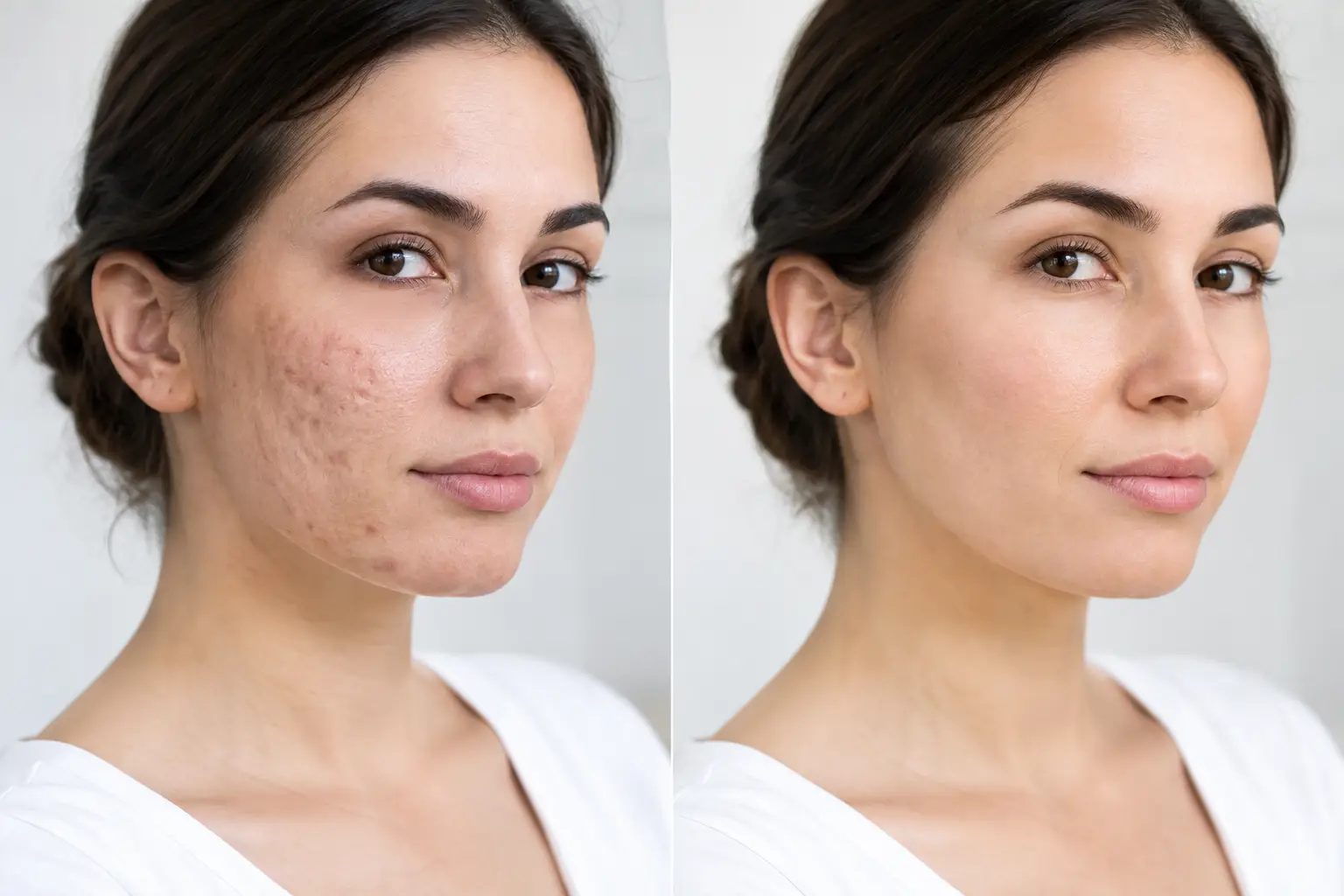
A scar can feel far more visible to you than it does to anyone else, especially when makeup settles into uneven texture or certain lighting makes old acne marks stand out. Effective acne scar transformations are not about chasing perfectly poreless skin. They are about improving texture, softening shadows, evening the appearance of skin, and creating a result that still looks entirely like you.
The right approach starts with an honest assessment. Acne scars vary widely in depth, shape, color, and cause, so the treatment that helps one person may be underwhelming or inappropriate for another. A physician-led consultation helps identify what is actually present in the skin and builds a plan around your goals, timeline, skin type, and tolerance for downtime.
What Acne Scar Transformations Can Realistically Change
Acne scarring is often described as one concern, but it can involve several different issues at once. Some marks are changes in color after a breakout, while others are true indentations created when inflammation damages collagen. Raised scars are less common on the face but can occur, particularly along the jawline, chest, shoulders, and back.
Treatments can improve the appearance of many scars, but expectations should remain realistic. Deep scars may become noticeably less visible rather than disappear completely. Texture usually improves gradually through a series of treatments, as collagen remodeling takes time. The most natural-looking results tend to come from a measured plan rather than one aggressive appointment.
The first step is distinguishing between these common concerns:
- Post-inflammatory redness or pigmentation, which leaves flat pink, red, brown, or gray marks after acne heals.
- Rolling scars, which create broad, wave-like depressions and shadows across the cheeks or temples.
- Boxcar scars, which have more defined edges and a wider, shallow or medium-depth indentation.
- Ice-pick scars, which are narrow and deep, often requiring a more targeted approach than general resurfacing alone.
Many patients have a combination of scar types. This is why a personalized plan matters more than a one-size-fits-all package.
Why Treating Active Acne Comes First
When new breakouts are still causing inflammation, scar treatment can become frustrating and inefficient. Each flare-up has the potential to create additional discoloration or scarring, which can undo some of the progress made with resurfacing treatments.
For patients with active acne, the initial focus may be calming inflammation, supporting an appropriate skincare routine, and avoiding habits that worsen scarring, such as picking or squeezing. Once breakouts are controlled, treatments can be planned around the scars that remain. There are exceptions, of course. Some treatments may be appropriate while acne is being managed, but the decision should be based on the condition of the skin at the time of treatment.
This approach also protects your investment. Starting with healthier, more stable skin gives collagen-stimulating treatments a better opportunity to produce visible, lasting improvement.
Treatment Options for Acne Scar Transformations
The best treatment plan depends on the scar pattern, skin tone, degree of laxity, history of pigmentation, and desired recovery time. At Balwin Aesthetics, treatment recommendations are designed around these details rather than a predetermined menu of procedures.
Microneedling for Texture and Collagen Support
Microneedling uses fine, controlled needles to create microchannels in the skin. This process stimulates the body’s wound-healing response and encourages collagen production over time. It can be a strong option for mild to moderate textural scarring, enlarged pores, and overall skin quality concerns.
Most people need a series of treatments, commonly spaced several weeks apart. Temporary redness and sensitivity are expected, and makeup is usually avoided immediately after treatment. The advantage is that microneedling offers meaningful collagen support with relatively limited downtime compared with more intensive resurfacing options. The trade-off is patience: results develop progressively rather than overnight.
PRP as a Complement to Microneedling
Platelet-rich plasma, or PRP, uses a concentrated portion of your own blood containing growth factors. When paired with microneedling, PRP may support recovery and enhance the skin’s regenerative response. It can be especially appealing to patients who want an approach that uses their own biologic material alongside a collagen-stimulating treatment.
PRP is not a replacement for proper scar assessment, and it will not correct every type of deep scar on its own. However, it can be a valuable part of a broader plan for improving skin texture, tone, and overall radiance.
Chemical Peels for Uneven Tone and Surface Refinement
Chemical peels exfoliate targeted layers of the skin to improve dullness, post-acne discoloration, and superficial textural irregularities. The appropriate peel depends on your skin type, sensitivity, pigment history, and the concern being treated.
For flat brown or red marks left after acne, peels may help create a more even-looking complexion. They are typically less effective as a stand-alone solution for deeper indented scars because those scars involve changes beneath the surface. In those situations, a peel may be used as part of a staged plan rather than as the primary treatment.
Laser Treatments and Personalized Resurfacing Plans
Laser-based treatments can address concerns such as pigmentation, redness, and selected textural issues. However, laser treatment is not automatically the best first choice for every acne scar. Skin tone, current sun exposure, tendency toward post-inflammatory hyperpigmentation, and scar depth all affect whether laser treatment is appropriate and which settings may be considered.
A careful consultation is particularly important for patients with deeper skin tones or a history of dark marks after irritation. The goal is to pursue improvement without creating unnecessary inflammation or pigment changes. A conservative, professionally supervised approach may require more than one session, but it prioritizes skin health and predictable healing.
The Details That Shape Your Results
A before-and-after photo can be helpful, but it does not replace an individual assessment. Lighting, makeup, swelling, and even hydration can change how scars appear from day to day. During a consultation, a clinician should evaluate scars from different angles and discuss what you see when you look in the mirror – not simply what appears in one photograph.
Your history also matters. Past isotretinoin use, cold sore history, pregnancy or breastfeeding status, medications, active skin infections, and recent tanning can affect timing and treatment selection. Patients who form raised scars easily or develop dark marks after minor injuries need especially thoughtful planning.
Home care plays a supporting role as well. Daily sunscreen is essential because UV exposure can prolong discoloration and make healing skin more vulnerable to pigment changes. A gentle cleanser, barrier-supporting moisturizer, and clinically appropriate active ingredients can help maintain results between visits. Strong exfoliants, scrubs, and unapproved at-home devices can irritate the skin and work against professional treatment.
How Long Do Results Take?
This is one of the most common questions, and the answer depends on the treatment and the scars themselves. Discoloration may begin to improve after a few weeks with the right regimen. Collagen remodeling from microneedling and PRP is slower, often becoming more noticeable over several months. With deeper scars, a treatment series may be followed by reassessment and adjustment.
It is also normal for progress to be uneven. One area of the face may respond more quickly than another because scars differ in depth and the skin heals differently across the cheeks, temples, chin, and jawline. Consistency matters more than rushing from one procedure to the next.
The strongest results are not always the most dramatic ones after a single visit. Often, they are the changes that make skin look smoother in natural light, help makeup apply more evenly, and allow you to think less about the scars in the first place. A personalized consultation can clarify which improvements are realistic for your skin and help you move forward with confidence.
