Understanding Botox: How It Works and Its Benefits
Botox is a popular non-surgical treatment that temporarily relaxes facial muscles, reducing the appearance of fine lines and wrinkles. This injectable treatment is derived from botulinum toxin and works by blocking nerve signals to the muscles, leading to a smoother, more youthful appearance.
Many patients choose Botox for its quick application and minimal downtime, making it an ideal solution for those seeking immediate results. Clinical studies have shown that Botox can also be effective for medical conditions such as migraines and excessive sweating, showcasing its versatility beyond cosmetic enhancements.
Comparing Dermal Fillers: Types and Uses
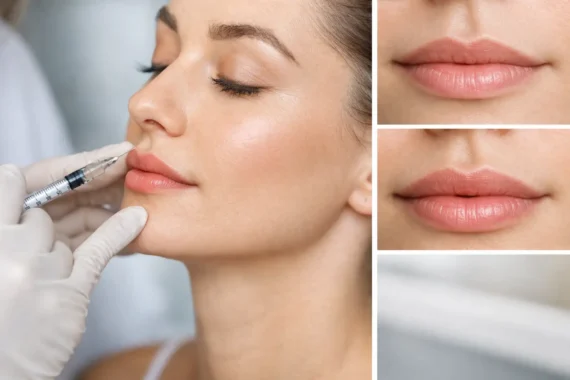
Dermal fillers are injectable substances used to restore volume, smooth out wrinkles, and enhance facial contours. There are various types of fillers available, including hyaluronic acid, calcium hydroxylapatite, and poly-L-lactic acid, each designed for specific uses and results.
For instance, hyaluronic acid fillers are popular for lip enhancement and cheek volume, while calcium-based fillers are often used for deeper lines and facial structure. Understanding the differences between these fillers can help clients make informed decisions about their aesthetic treatments, ensuring they achieve their desired look safely and effectively.
Post-Treatment Care: Maximizing Results from Aesthetic Procedures
After undergoing aesthetic treatments like Botox or dermal fillers, proper aftercare is essential for achieving optimal results. Clients are advised to avoid strenuous activities, excessive sun exposure, and certain skincare products for a few days post-treatment to minimize swelling and bruising.
Additionally, staying hydrated and following any specific instructions provided by the practitioner can enhance the longevity of the results. Regular follow-up appointments can also help monitor progress and make any necessary adjustments for future treatments.
Choosing the Right Aesthetic Practitioner: Key Considerations
Selecting a qualified aesthetic practitioner is crucial for ensuring safety and effectiveness in cosmetic treatments. Clients should look for practitioners with relevant certifications, extensive experience, and positive reviews from previous clients to build trust in their expertise.
Moreover, scheduling consultations can provide valuable insights into the practitioner's approach and allow clients to ask questions about procedures, expected outcomes, and aftercare. A good practitioner will prioritize patient education and comfort, ensuring a positive experience throughout the treatment process.