
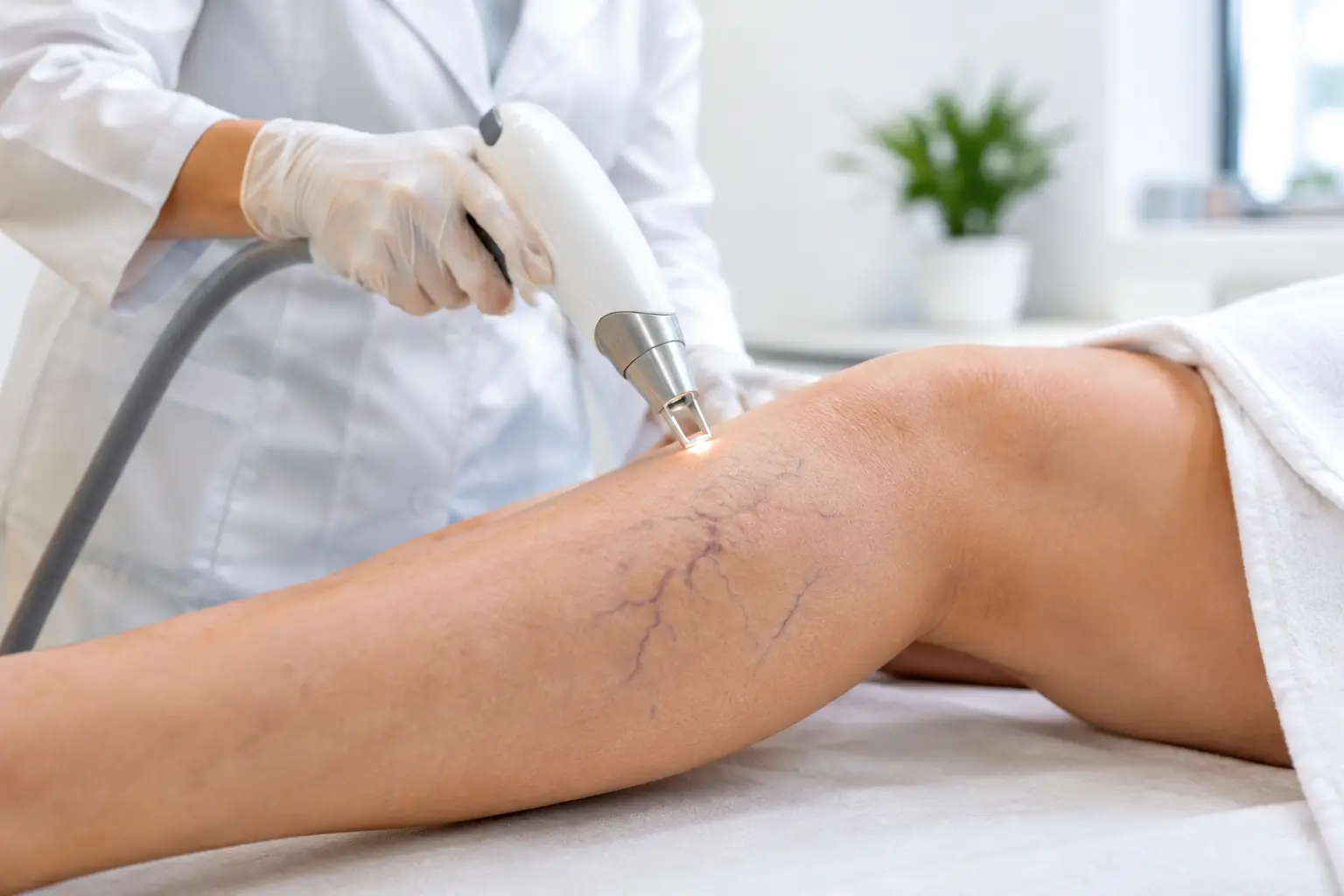
Those fine red, blue, or purple lines can make otherwise healthy-looking skin feel like a feature you have to conceal. Spider veins are common, especially on the legs and face, but that does not mean you have to simply accept them. The best treatment for spider veins depends on where the vessels appear, their size and color, your skin type, and whether there are signs of an underlying circulation concern.
For many people, the right approach is not a one-size-fits-all treatment. It is a focused plan created after an experienced medical assessment. Modern vascular treatments can visibly reduce unwanted veins with little downtime, helping skin look clearer while keeping safety and natural-looking results at the center of care.
What Are Spider Veins?
Spider veins are small, visible blood vessels close to the surface of the skin. They may look like delicate branches, webs, or short individual lines. On the legs, they are often blue, purple, or red. On the face, particularly around the nose and cheeks, they tend to appear as fine red vessels.
They can develop for several reasons, including genetics, hormonal changes, pregnancy, prolonged standing or sitting, sun exposure, aging, and certain skin conditions such as rosacea. Spider veins are usually a cosmetic concern, but some people with leg veins also experience aching, heaviness, swelling, itching, or cramping. Those symptoms deserve medical attention because they may point to deeper venous insufficiency rather than surface-level spider veins alone.
Best Treatment for Spider Veins on the Legs
For most leg spider veins, sclerotherapy remains the preferred treatment. During this minimally invasive procedure, a qualified provider injects a specialized solution directly into the visible vein. The solution irritates the lining of the vessel, causing it to close. Over time, the body naturally absorbs the treated vein and its appearance fades.
Sclerotherapy is especially effective for blue and purple leg veins that are too large or deep for laser energy to treat as efficiently. Treatments are typically performed in the office, and appointments are relatively short. Many clients return to normal daily routines the same day, although exercise, heat exposure, and other activities may need to be adjusted temporarily based on their treatment plan.
It is realistic to expect a series of treatments in some cases. Spider veins often occur in clusters, and the body needs time to clear each treated vessel. Results develop gradually over several weeks, with the final timeline varying by the size of the veins, the number treated, and individual healing response.
Compression stockings may be recommended after leg vein treatment. They can support circulation and help optimize the healing process. A physician-guided consultation is the right place to determine whether compression, sclerotherapy, ultrasound evaluation, or a referral for vascular care is appropriate.
When Laser Treatment May Be Better for Leg Veins
Laser treatment can be an excellent option for very fine surface vessels, particularly small red spider veins that may be difficult to inject. A vascular laser delivers carefully controlled energy that targets pigment within the blood vessel, heating it so the body can gradually clear it.
Laser treatment is not automatically the best choice for every leg vein. Larger blue veins often respond better to sclerotherapy, while tiny red vessels may respond beautifully to a vascular laser. In some treatment plans, both methods are used at different stages to address veins of varying sizes.
Best Treatment for Spider Veins on the Face
For facial spider veins, vascular laser treatment is commonly the first choice. The face has delicate anatomy, and visible vessels are often very small. Laser technology allows a trained provider to target these vessels precisely without injections in many cases.
Treatment can be particularly helpful for broken capillaries around the nose, cheeks, and chin. Depending on the device and the concern being treated, there may be temporary redness, mild swelling, or a sensation similar to a quick snap of heat during the appointment. These effects are generally short-lived, but recovery expectations should always be discussed before treatment.
Facial veins can recur over time, especially when rosacea, sun damage, or a tendency toward visible capillaries is present. That does not mean treatment failed. It means ongoing skin protection and occasional maintenance may be part of a thoughtful long-term plan.
Why an Assessment Matters Before Treatment
The most effective cosmetic treatment begins with a clear diagnosis. Not every visible red mark is a spider vein. Some may be rosacea-related flushing, cherry angiomas, bruising, pigmentation, or another skin concern that requires a different approach.
A professional assessment also helps identify factors that affect safety and results. Your provider should review your health history, medications, previous vein procedures, pregnancy status, history of blood clots, and skin type. For leg veins, they should ask about symptoms such as pain, swelling, skin changes, or ulcers. Treating cosmetic surface veins without recognizing deeper vein disease can lead to disappointing results and may delay appropriate care.
At a physician-led aesthetic clinic, the goal is not simply to remove what is visible. It is to select a treatment that makes sense for your anatomy, skin, and medical history.
What Results Can You Expect?
Spider vein treatments can produce a significant improvement in the appearance of treated vessels, but no ethical provider should promise that every vein will disappear completely after one session. Some vessels respond quickly, while others need additional treatment. A small amount of residual color, temporary bruising, or post-treatment discoloration can occur, particularly after sclerotherapy.
New spider veins may also develop in the future. Treatment removes or closes the vessels addressed during the appointment, but it cannot change genetics, hormones, occupation, or all of the factors that contribute to future veins. Maintaining a stable weight, moving regularly, protecting facial skin from sun exposure, and using compression when advised may help support long-term results.
Before-and-after photos can be useful when they show realistic treatment outcomes over an appropriate timeline. Look for consistency in lighting and positioning, and ask what type of treatment was used, how many sessions were needed, and when the after photo was taken.
Safety and Recovery Considerations
Both sclerotherapy and laser treatment are established options when performed by properly trained medical professionals. However, they are still medical procedures, not casual beauty services. The skill of the injector or laser provider, the quality of the device, and the treatment settings all matter.
Following aftercare is equally important. Depending on the procedure, your provider may advise you to avoid intense exercise, hot baths, saunas, direct sun exposure, or certain skincare products for a brief period. Do not pick at crusting or irritation after laser treatment. On the legs, walking is often encouraged after sclerotherapy, while prolonged immobility may be discouraged.
Call your provider promptly if you experience severe pain, significant swelling, blistering, signs of infection, or a reaction that feels outside the expected recovery guidance. Clear communication is part of safe, high-quality aesthetic care.
Choosing a Provider for Spider Vein Treatment
The right provider should be willing to explain why a particular treatment is being recommended, not simply sell the newest device or a package of sessions. Ask whether your concern is best suited to laser treatment, sclerotherapy, or a combination. You should also feel comfortable asking about anticipated downtime, potential side effects, total treatment expectations, and whether your symptoms warrant further vascular evaluation.
For clients seeking refined, medically supervised care, Balwin Aesthetics takes a personalized approach to vascular concerns, with treatment recommendations based on the vessels you see and the skin you want to feel confident showing. Clearer-looking skin is often possible, but the best results begin with an informed consultation and a treatment plan designed specifically for you.
