
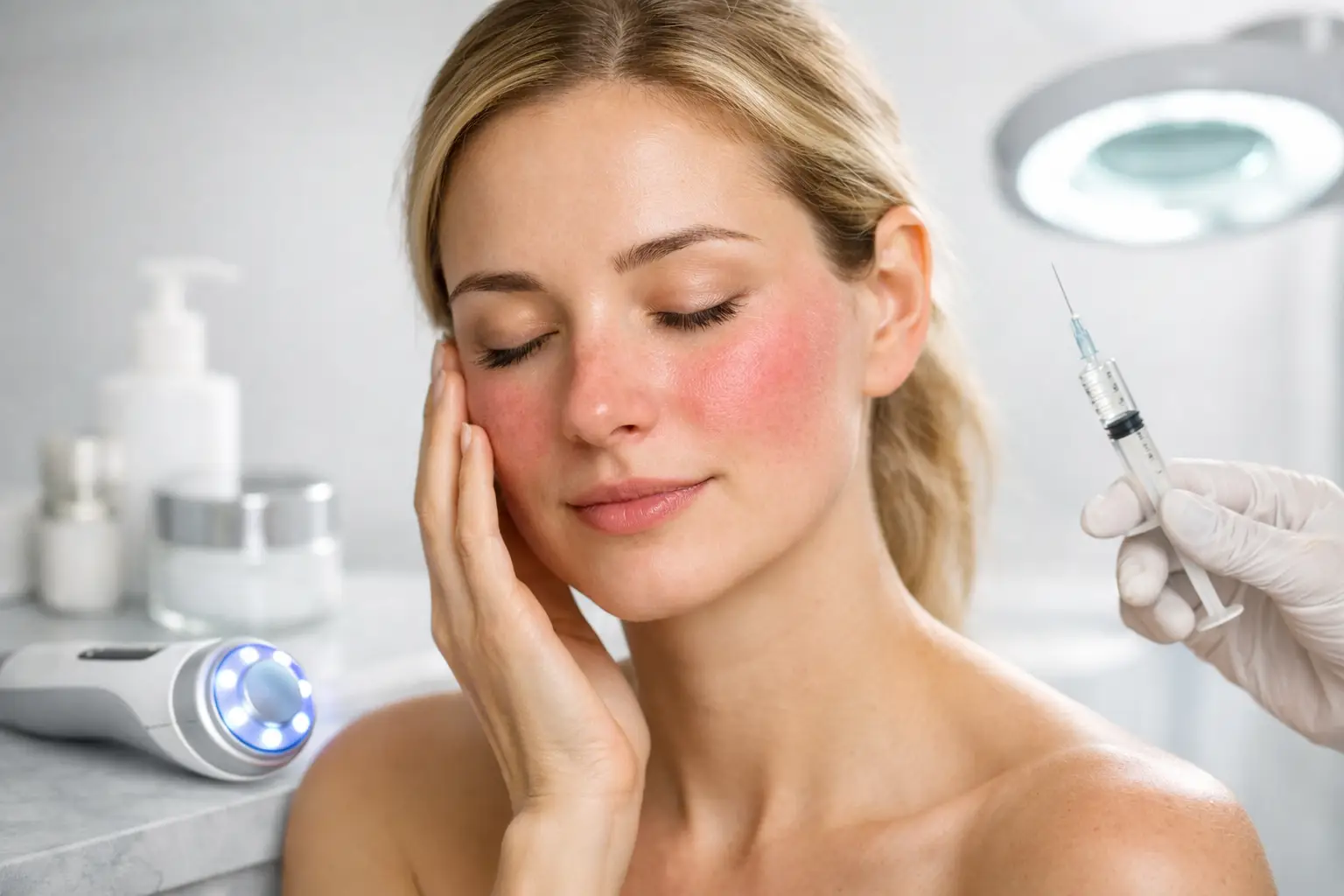
A face that looks flushed long after a workout, glass of wine, or stressful meeting can be more than a cosmetic frustration. Persistent facial redness may be caused by visible blood vessels, rosacea, inflammation, sun damage, irritation, or a combination of factors. That is why the best treatments for facial redness are not the same for every patient. The right approach begins with identifying what is creating the redness, then choosing treatments that calm the skin without compromising its barrier.
For patients who want a clearer, more even complexion, professional assessment matters. A treatment that is highly effective for small, broken capillaries may not be appropriate for active rosacea, while aggressive exfoliation can worsen skin that is already inflamed.
Why Facial Redness Needs a Personalized Approach
Facial redness is a visible symptom, not a diagnosis. Some people have diffuse pinkness across the cheeks and nose that comes and goes with heat, exercise, spicy food, or alcohol. Others notice fine red or purple vessels around the nose, on the cheeks, or across the chin. Still others develop redness alongside acne-like bumps, burning, dryness, or sensitivity, which may point toward rosacea or contact irritation.
Sun exposure can also play a role. Over time, UV damage can weaken the skin’s supporting structures and make superficial vessels more noticeable. In some cases, redness is actually post-inflammatory erythema – the red marks left behind after acne, a rash, or another inflammatory skin concern.
A physician-led consultation can distinguish between these patterns and determine whether a cosmetic treatment, medical skincare plan, prescription management, or dermatology referral is the appropriate next step. When redness is new, painful, rapidly worsening, or paired with eye symptoms, medical evaluation should come before aesthetic treatment.
Best Treatments for Facial Redness by Cause
Vascular laser treatments for visible vessels
For persistent redness caused by visible capillaries or small blood vessels, vascular laser treatment is often one of the most effective non-surgical options. These devices direct carefully selected light energy toward blood within the vessel. The vessel absorbs the energy, while surrounding skin is protected as much as possible, allowing the body to gradually clear the treated vessel.
Vascular laser treatment can be particularly helpful for spider veins around the nose, isolated red vessels on the cheeks, and diffuse redness associated with sun damage. Most patients need a series of treatments for optimal improvement, especially when redness is widespread or has developed over many years.
Results are gradual rather than overnight. Mild warmth, swelling, or temporary redness can occur after treatment, and strict sun protection is essential during recovery. The exact device, settings, number of sessions, and expected downtime should be tailored to your skin tone, vessel pattern, and level of sensitivity.
Gentle skincare for barrier-related redness
When the skin barrier is impaired, even well-intended products can keep redness active. A simplified skincare routine is often an essential part of treatment, whether or not you choose an in-office procedure. The goal is to reduce irritation while supporting hydration and daily UV protection.
A gentle cleanser, fragrance-free moisturizer, and broad-spectrum sunscreen are a strong foundation. Mineral sunscreens containing zinc oxide or titanium dioxide are often well tolerated by reactive skin, although individual preferences vary. Avoiding frequent scrubs, harsh cleansing brushes, high-strength acids, and heavily fragranced products can make a meaningful difference for easily irritated complexions.
Active ingredients should be introduced thoughtfully. Niacinamide may help support the skin barrier and improve the appearance of uneven tone for some patients. Azelaic acid is another ingredient commonly used for redness-prone and acne-prone skin. However, even beneficial ingredients can sting when skin is inflamed, so a gradual approach is usually best.
Prescription treatment for rosacea-related redness
Rosacea is a chronic inflammatory condition that can cause persistent redness, flushing, visible vessels, sensitivity, and acne-like bumps. Skincare alone may not adequately control it. Depending on the pattern and severity, a medical provider may recommend prescription topical or oral therapy to reduce inflammation, address breakouts, or temporarily decrease visible redness.
Prescription care and laser treatment can complement each other. Medication may help calm active inflammation, while vascular laser treatment can address the lingering visible vessels that topical therapies do not fully remove. There is no single cure for rosacea, but a consistent management plan can significantly improve comfort and appearance.
Triggers are also highly individual. Common ones include heat, sun exposure, alcohol, spicy foods, stress, hot beverages, and certain skincare ingredients. Keeping a brief record of flare-ups can help identify the factors that affect your skin most.
Chemical peels, selected carefully
A light chemical peel can improve dullness, uneven texture, and post-inflammatory discoloration in the right candidate. For some patients, this may make the complexion appear more balanced overall. But chemical peels are not a first-line treatment for active, unexplained redness or an impaired skin barrier.
The trade-off is clear: a peel that is too strong, too frequent, or poorly matched to sensitive skin can trigger more irritation and prolonged redness. Patients with rosacea, eczema, recent sun exposure, or a history of post-treatment pigmentation changes need especially careful assessment. When appropriate, conservative peels and proper pre- and post-treatment skincare can offer refinement without unnecessary inflammation.
Microneedling for texture and post-inflammatory marks
Microneedling is designed primarily to support collagen remodeling and improve concerns such as acne scarring, texture, enlarged pores, and fine lines. It may also help some patients with red marks that remain after acne has healed. However, it is not the preferred treatment for active rosacea, ongoing flushing, or visibly irritated skin.
For a patient with stable skin, microneedling may be part of a broader skin renewal plan. For a patient whose skin is actively burning, flushing, or reacting to products, calming the skin should come first. Timing and technique are central to achieving refined results safely.
What to Avoid When Your Skin Is Red
The urge to treat redness aggressively is understandable, but overcorrection often creates a cycle of irritation. Avoid using several new active products at once, treating facial skin with body exfoliants, or scheduling a procedure during a significant flare without professional guidance.
It is also wise to be cautious with at-home devices. The energy level, wavelength, and cooling capabilities of medical-grade laser technology are selected for specific skin concerns and should be administered by trained professionals. A device that is not appropriate for your skin tone or redness pattern can lead to irritation, pigment changes, or disappointing results.
Camouflage makeup can provide immediate confidence, but choose non-comedogenic, fragrance-free formulas when sensitivity is an issue. Green-tinted primers can neutralize visible redness before foundation, while lightweight mineral makeup may be more comfortable for reactive skin.
Choosing the Right Treatment Plan
The most effective treatment plan often combines professional care with everyday prevention. A patient with visible vessels may benefit from a series of vascular laser sessions and diligent sunscreen use. Someone with rosacea may need prescription management, trigger reduction, a barrier-supporting routine, and laser treatment once inflammation is controlled. A patient with lingering red acne marks may be better suited to a customized renewal plan after active breakouts have settled.
During a consultation, expect questions about when the redness began, what makes it flare, the products you use, your medical history, and any previous treatments. A thoughtful provider should also assess your skin tone, degree of sensitivity, and goals before recommending a device-based treatment or peel.
Clearer-looking skin rarely comes from the strongest treatment. It comes from choosing the treatment that matches the cause of your redness, respecting your skin’s limits, and giving results time to develop under qualified professional care.
