Learn how physician led aesthetic clinic benefits support safer decisions, custom treatment plans, and...
Call Us - (587) 415-1251
Learn how physician led aesthetic clinic benefits support safer decisions, custom treatment plans, and...
Compare PRP versus hair transplant for thinning hair, from candidacy and expected results to...
Learn how chemical peels reduce discoloration by lifting damaged surface cells, supporting renewal, and...
Compare the best options for lip lines, from Botox and fillers to skin renewal...
Considering PRP for under eye circles? See how physician-guided treatment works, ideal candidates, results,...
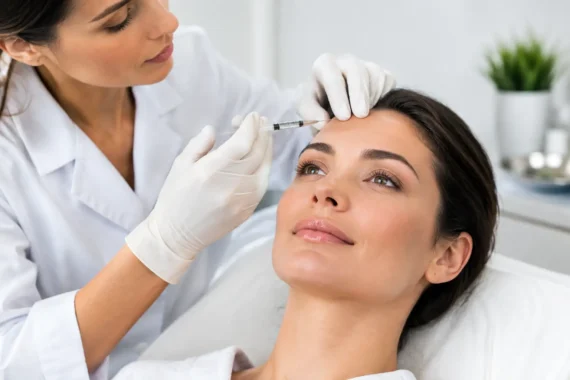
Aesthetic treatments encompass a variety of procedures aimed at enhancing physical appearance and boosting self-confidence. These treatments can range from minimally invasive options like Botox and dermal fillers to more extensive surgical procedures. Understanding the different types of aesthetic treatments available is essential for individuals considering these options.
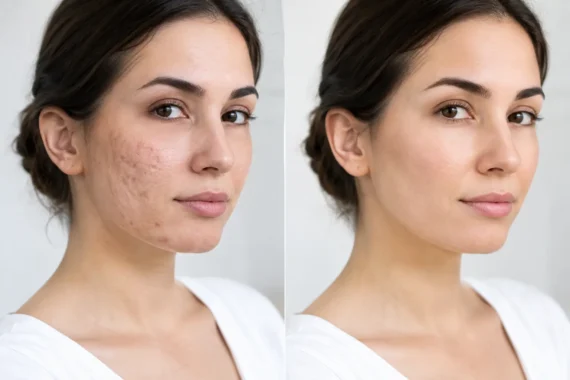
For instance, Botox is commonly used to reduce the appearance of wrinkles, while dermal fillers can add volume to areas such as the lips and cheeks. Additionally, treatments like chemical peels and laser therapy address skin texture and tone. Each procedure has unique benefits and considerations, making it crucial for clients to consult with professionals to find the right fit for their needs.
During an aesthetic consultation, clients can expect a thorough discussion of their goals and concerns regarding treatments. This initial meeting is crucial for setting realistic expectations and understanding the available options. A qualified practitioner will assess the client's skin type, facial structure, and overall health to recommend tailored treatments.
Moreover, consultations typically include a review of the client's medical history and any previous cosmetic procedures. This allows the practitioner to identify potential risks and ensure that the selected treatments align with the client's health status. Ultimately, a well-conducted consultation lays the groundwork for a successful aesthetic experience.
While aesthetic treatments can yield impressive results, it is important to acknowledge the potential risks and safety concerns associated with these procedures. Understanding these factors helps clients make informed decisions and prepares them for any possible complications.
Common risks include allergic reactions, infections, and unsatisfactory results. For example, while Botox is generally safe, improper administration can lead to drooping eyelids or an uneven smile. Therefore, choosing a licensed and experienced practitioner is essential to minimize risks and ensure the highest standards of care during aesthetic treatments.
Post-treatment care is vital for achieving the best possible outcomes from aesthetic procedures. Clients should follow specific aftercare instructions provided by their practitioners to ensure proper healing and maximize the longevity of results.
For instance, after receiving Botox, it is recommended to avoid strenuous exercise and excessive heat for 24 hours to prevent the product from migrating. Similarly, after dermal filler injections, clients should refrain from massaging the treated areas for a few days. Adhering to these guidelines not only enhances results but also contributes to a smoother recovery process.