
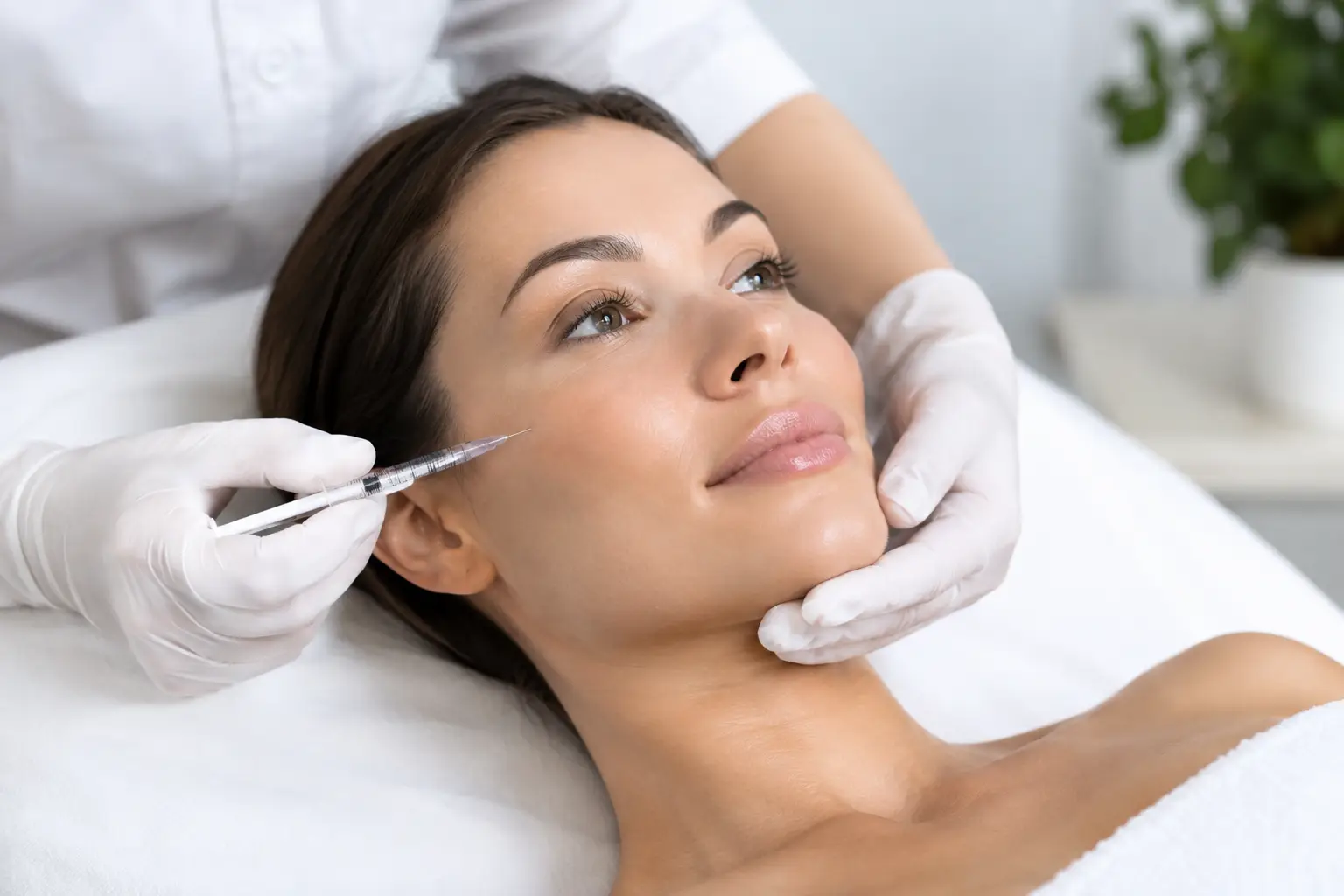
A face can be beautiful without being perfectly symmetrical. Facial balancing is not about chasing mathematical perfection or changing recognizable features. It is a thoughtful approach to improving proportion, restoring age-related volume, and creating harmony between the upper, middle, and lower face. This guide to facial balancing treatments explains how a personalized, physician-led plan can enhance your natural features while keeping results refined.
For many patients, the concern starts with one feature: a chin that appears recessed in photos, under-eye hollows that make them look tired, lips that feel out of proportion, or cheeks that have lost youthful support. The most successful treatment plans look beyond that single concern. They consider how each area relates to the rest of the face.
What Facial Balancing Really Means
Facial balancing uses non-surgical treatments to improve the relationship between facial features. Depending on your anatomy and goals, that may mean restoring cheek support, refining the jawline, adding projection to the chin, softening pronounced folds, or using a neuromodulator such as Botox to reduce muscle activity that affects facial shape and expression.
The goal is not to make every face look alike. A well-balanced result should still look like you, simply more rested, proportionate, and refreshed. Your bone structure, skin quality, facial movement, age, and preferences all influence what makes sense.
Balance also changes over time. In younger patients, treatment may focus on structural proportion, such as the relationship between the nose, lips, chin, and jawline. For patients experiencing volume loss, the plan may prioritize restoring support in the temples, cheeks, or lower face before treating lines directly. Filling every crease without addressing underlying support can create an overfilled appearance, which is why a full-face assessment matters.
A Guide to Facial Balancing Treatments by Concern
Dermal fillers and neuromodulators are often central to facial balancing, but they serve different purposes. Fillers add or restore volume, contour, and projection. Neuromodulators relax selected muscles to soften dynamic lines or reduce muscle pull that contributes to a downturned mouth, a heavy jawline, or a tense expression.
Cheeks and Midface Support
The cheeks provide an important foundation for the face. When midface volume decreases, the area beneath the eyes can appear hollow and folds around the mouth may become more noticeable. Strategic cheek filler can restore gentle lift and support, often improving the overall facial profile without treating every line individually.
More filler is not always better. Cheeks should retain natural contour and movement. The appropriate product, placement, and volume depend on skin thickness, existing cheek structure, and how much support has been lost.
Chin, Jawline, and Profile
A small or recessed chin can make the jawline appear less defined and alter the balance of the nose and lips in profile. Chin filler may improve projection and lower-face proportion without surgery. Jawline filler can provide clearer contour in suitable candidates, particularly when the concern is mild volume loss or naturally softer definition.
These areas require careful anatomical knowledge. The treatment should complement your facial structure rather than create a squared or overly sharp result that does not suit your features. Patients with significant skin laxity or a substantial amount of fullness beneath the chin may need a different approach than filler alone.
Lips and the Area Around the Mouth
Lip enhancement can be part of facial balancing, but it should be considered in context. A subtle increase in lip hydration, border definition, or volume may bring the lips into better proportion with the chin and midface. For others, treating the surrounding area first produces a more natural outcome than adding volume directly to the lips.
As we age, the mouth area can lose structural support. Fine lines, downward corners, and deeper folds may be influenced by volume changes in several nearby areas. A personalized plan may include a conservative combination of filler and neuromodulator treatment rather than focusing only on the lips.
Forehead, Brows, and Facial Expression
The upper face affects how alert, approachable, or tired someone appears. Botox or another appropriate neuromodulator can soften frown lines, forehead lines, and crow’s feet. In some patients, precise treatment can create a subtle brow lift by adjusting the muscles that pull the brow downward.
This is an area where restraint is especially valuable. Preserving natural expression is a priority. The correct dosage and injection pattern vary based on muscle strength, brow position, eyelid anatomy, and the amount of movement you want to retain.
Why Skin Quality Belongs in the Plan
Facial proportion is only one part of a refreshed appearance. Texture irregularities, pigmentation, acne scarring, redness, and dullness can distract from otherwise balanced contours. Skin renewal treatments such as microneedling, chemical peels, PRP, and laser-based treatments may complement injectable care by improving the quality of the skin overlying the facial structure.
This does not mean every patient needs multiple treatments. A patient with good volume but uneven tone may benefit more from skin-focused care than filler. Conversely, someone with significant volume loss may see limited improvement from resurfacing alone. The right recommendation depends on the cause of the concern, not a one-size-fits-all treatment menu.
What Happens During a Facial Balancing Consultation
A meaningful consultation begins with listening. You should be able to describe what you notice in photos, what has changed over time, and how subtle or noticeable you want your result to be. A qualified provider will evaluate your face at rest and in motion, from the front and profile, rather than making recommendations based on one isolated feature.
Your medical history matters as well. Previous filler, allergies, medications, pregnancy or breastfeeding status, active skin infections, autoimmune conditions, and a history of cold sores can affect whether treatment is appropriate or whether additional precautions are needed. Be open about treatments you have received elsewhere, including the approximate timing and product type when known.
At Balwin Aesthetics, treatment planning is designed around informed decisions rather than pressure to treat everything at once. A staged plan can be especially useful for patients who are new to injectables or want to make gradual changes. Starting conservatively also gives you time to see how your features respond before considering further refinement.
Safety, Recovery, and Realistic Expectations
Injectable treatments are minimally invasive, but they are still medical procedures. Temporary swelling, tenderness, redness, and bruising are possible with fillers and can last several days. Results from neuromodulators typically develop gradually over several days, with final effects often visible around two weeks. Filler results are visible immediately, though early swelling can temporarily affect the appearance.
After treatment, your provider may advise avoiding strenuous exercise, heat exposure, alcohol, or pressure on treated areas for a short period. Specific aftercare varies by treatment and injection site, so follow the instructions you receive rather than relying on general advice online.
More serious complications are uncommon but must be discussed. Filler injections carry risks that include infection, allergic reaction, lumps, asymmetry, and rare vascular complications. A sudden increase in pain, blanching or unusual discoloration of the skin, changes in vision, or other concerning symptoms requires urgent medical attention. Choosing an experienced, medically qualified injector with a clear safety protocol is essential.
A natural result also requires realistic expectations. Non-surgical balancing can improve proportion and soften signs of aging, but it cannot replicate the effect of surgery in every case. It cannot fully correct major skeletal asymmetry, substantial skin laxity, or every concern visible in edited social media images. The best plan is the one that respects both your goals and the limits of the treatment.
How to Choose the Right Approach
Before booking, focus less on a trending treatment name and more on the quality of the assessment. Ask whether the provider evaluates the full face, explains why a particular area is being treated, discusses alternatives, and is prepared to say when treatment is not the right answer. Before-and-after photographs can be helpful, but look for results that appear consistent, balanced, and believable across different patients.
Facial balancing should leave people noticing that you look well, not guessing what you had done. A careful consultation creates the space to identify the small, strategic changes that support your natural beauty and feel right for your face.
