
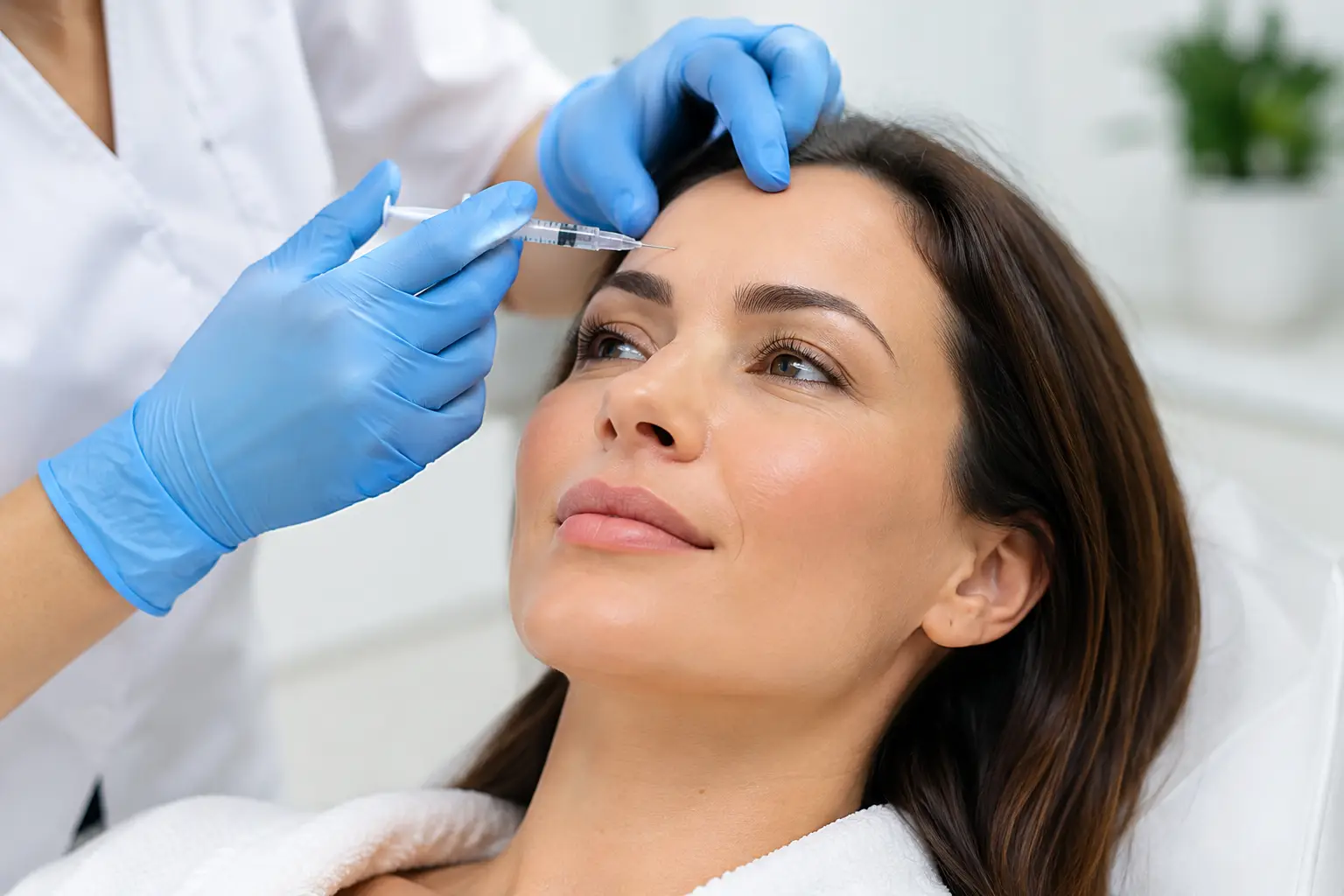
A refreshed appearance should never come at the expense of your safety. If you are asking, is Botox safe, the most accurate answer is: Botox has a long, well-established safety record when it is appropriately selected, correctly dosed, and administered by a qualified medical professional. It is not risk-free, however, and the quality of your assessment and injector matters just as much as the product itself.
For people who want to soften expression lines without surgery or extended downtime, Botox can be a highly effective option. The goal is not to erase every movement or create a frozen look. Thoughtful treatment can relax selected muscles while preserving the expressions that make your face look like you.
Is Botox Safe When Performed by a Qualified Injector?
Botox Cosmetic is an FDA-approved prescription treatment made from a purified form of botulinum toxin type A. In aesthetic medicine, it is injected in very small, targeted amounts to temporarily reduce muscle activity. This can soften dynamic wrinkles, including frown lines, forehead lines, and crow’s feet.
The safety profile of Botox is supported by decades of medical use. Botulinum toxin has also been used therapeutically for conditions such as chronic migraine, muscle spasticity, excessive sweating, and certain eye disorders. Cosmetic treatment uses carefully measured doses and precise injection placement based on the individual patient’s anatomy and treatment goals.
Still, Botox is not simply a beauty service. It is a medical treatment. A safe experience begins with an injector who understands facial anatomy, evaluates your health history, uses authentic products, and has the clinical judgment to recommend a conservative approach when appropriate.
At a physician-led clinic such as Balwin Aesthetics, treatment planning is centered on individualized assessment rather than a one-size-fits-all number of units. The right dose for one person’s forehead may be too much, too little, or placed incorrectly for another.
What Determines Botox Safety?
Botox safety depends on more than the injection itself. The product, provider, dose, technique, and patient all play a role.
A qualified injector assesses the strength and pattern of your facial muscles before treatment. For example, forehead lines may be influenced by how much you naturally rely on your forehead muscles to lift your brows. Treating that area too aggressively can leave the brow looking heavy in some patients. Proper assessment helps avoid this and supports a result that looks rested rather than overtreated.
Product sourcing matters as well. Authentic Botox is prescription-only and should be obtained through legitimate medical channels. Bargain treatments, unlicensed providers, and products of uncertain origin introduce avoidable risk. Price should never be the only factor in a decision involving injectable medication.
Your medical history is equally relevant. A responsible consultation should include discussion of prior cosmetic treatments, allergies, medications and supplements, neuromuscular conditions, and your goals for movement and appearance. This information helps your provider determine whether Botox is suitable and how to tailor treatment safely.
Common Botox Side Effects
Most Botox side effects are mild, temporary, and limited to the injection area. It is common to have brief redness, small raised bumps, tenderness, swelling, or bruising. These effects generally settle quickly, although a bruise can take several days to fade.
Some patients experience a temporary headache after treatment. Less commonly, Botox can cause asymmetry, a heavy brow, or eyelid drooping. These outcomes are usually temporary, but they can be frustrating. They are also a clear reason to choose a skilled injector who understands both anatomy and the subtle differences between each side of the face.
Your provider may advise avoiding rubbing or massaging the treated area immediately after your appointment. You may also be asked to postpone strenuous exercise for a short period, depending on your treatment plan and clinical guidance. Follow the aftercare instructions you receive rather than relying on generalized social media advice.
Botox results typically begin to appear within a few days, with the full effect becoming more apparent over roughly two weeks. Results commonly last about three to four months, though duration varies with the area treated, metabolism, dose, and muscle activity.
Rare but Serious Risks to Understand
Serious complications from cosmetic Botox are uncommon, particularly when treatment is performed by an experienced medical professional. However, patients should understand that the medication carries important warnings.
In rare cases, the effects of botulinum toxin may spread beyond the injection area. Symptoms that require prompt medical attention can include difficulty swallowing, speaking, breathing, generalized muscle weakness, vision changes, or significant eyelid drooping. These effects are more often discussed in relation to therapeutic uses and higher doses, but every patient should know when to seek care.
Call emergency services immediately if you develop trouble breathing or swallowing after any injectable treatment. Contact your treating provider promptly if you have concerning symptoms, unexpected weakness, or a reaction that does not feel consistent with the aftercare information you were given.
A thorough consultation is not meant to make Botox feel intimidating. It is how a medical practice protects patients, identifies risk factors, and makes informed recommendations.
Who Should Postpone or Avoid Botox?
Botox is not right for everyone at every time. Your provider may recommend postponing treatment if you have an active skin infection, rash, or irritation at the planned injection site. Treatment should also be delayed if you are feeling unwell or have a health concern that needs evaluation first.
People with certain neuromuscular disorders may face increased risk from botulinum toxin and require careful medical review. Be sure to disclose all medical conditions and medications, including muscle relaxants, blood thinners, and supplements that may increase bruising. Do not stop prescribed medication without direction from the clinician who manages it.
Elective Botox is generally avoided during pregnancy and breastfeeding because there is not enough high-quality safety data to support cosmetic use during these periods. If you are pregnant, nursing, trying to conceive, or have questions about timing, discuss your situation openly during consultation.
Realistic expectations are also part of candidacy. Botox can soften wrinkles caused by facial movement, but it does not replace lost facial volume, tighten significant skin laxity, or erase deeply etched lines in every case. Depending on your concerns, a personalized plan may include skincare, laser treatments, microneedling, dermal fillers, or other options instead of, or in addition to, Botox.
How to Make Your Botox Treatment Safer
The safest path is to treat Botox as a medical decision, not an impulse purchase. Choose a licensed, medically qualified provider who can explain why a particular area, dose, and placement are recommended for you. Ask what product will be used, how results are expected to develop, and what to do if you have a concern after your appointment.
Bring up prior eyelid drooping, eyebrow surgery, facial asymmetry, previous injectable experiences, and any history of unusual reactions. These details can influence the treatment plan. It is also reasonable to ask for a conservative first treatment if you are new to Botox or prefer visible movement.
Natural-looking results often come from restraint. The best treatment is not necessarily the one that uses the most units. It is the one that respects your facial structure, preserves appropriate expression, and aligns with your comfort level.
A Safer Decision Starts With a Personal Consultation
Botox can be a safe and satisfying option for patients seeking a refreshed, rested appearance, provided it is performed for the right person, in the right setting, with the right clinical expertise. Your consultation should leave you feeling informed rather than pressured, with a clear understanding of benefits, limitations, aftercare, and alternatives.
The most reassuring result is one that looks naturally yours and is supported by thoughtful medical care from the first conversation onward.
