
Last Updated: November 27, 2026
Quick Summary
Laser treatment for neck wrinkles can reduce the appearance of fine lines and crepey texture by prompting the skin to rebuild collagen. Redness, warmth, and mild swelling are commonly reported for a few days after a session, with improvement appearing gradually over the following months.
- Resurfacing lasers treat surface texture, fine lines, sun damage, and discoloration on the neck.
- Prepare by listing medications, your skincare routine, and prior treatments before your session.
- Flaking or dryness often settles between days 4 and 14 of recovery.
- Contact your clinic promptly for spreading redness, increasing pain, blistering, pus, or fever.
- Choose a clinic led by a qualified physician with written aftercare and scheduled follow-up.
Table of Contents
- Can laser treatment reduce wrinkles on the neck?
- How neck laser treatment works and what it targets
- Neck laser treatment recovery time and aftercare
- Neck wrinkles before and after laser treatment: setting realistic expectations
- Questions to ask before laser skin treatment on your neck
- How to choose a laser treatment clinic for neck rejuvenation
- Book your neck laser consultation at Balwin Aesthetics
- Frequently Asked Questions
Can laser treatment reduce wrinkles on the neck?
Yes. Laser treatment for neck wrinkles can reduce the appearance of fine lines and crepey texture by prompting the skin to rebuild collagen. This guide from Balwin Aesthetics explains what the treatment involves, how recovery unfolds, and how to prepare for a follow-up appointment so you know whether your care plan is working.
The neck is often the first place to show age and the last place people treat. Skin there is thin, moves constantly, and gets less attention than the face.
Below, we’ll show you exactly what to expect at each stage, from your first skin consultation to the follow-up that confirms your treatment response.
How neck laser treatment works and what it targets
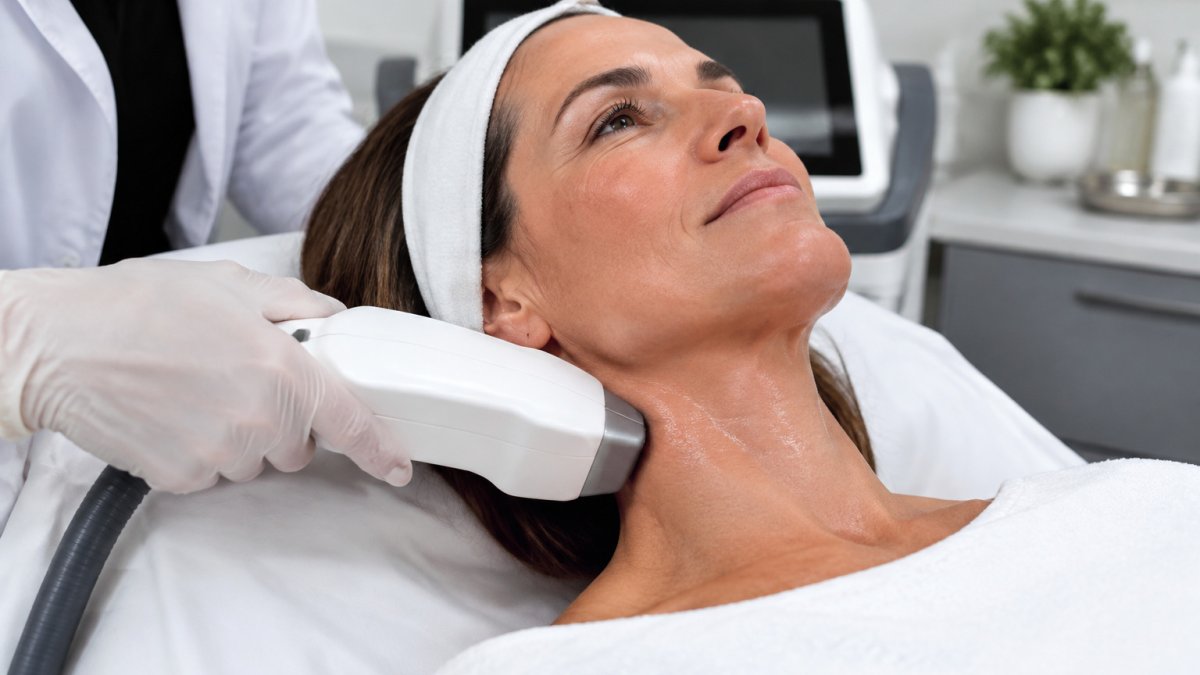
Laser treatment for neck wrinkles is a cosmetic procedure that delivers controlled energy into the deeper layers of neck skin, where it stimulates collagen production and helps resurface damaged texture. Different devices target different concerns, so the right choice depends on your skin examination and medical history.
Most neck lasers fall into two broad groups:
- Resurfacing lasers treat surface texture, fine lines, sun damage, and discoloration by encouraging the skin to renew itself.
- Non-ablative and radiofrequency-assisted devices work deeper to support firmness and skin laxity with less surface disruption.
If you want to understand how resurfacing devices handle texture, scarring, and pigment, our team explains the candidacy and recovery details in the guide to laser resurfacing for smoother, clearer skin.
Neck skin is thinner and more sensitive than facial skin, so treatment plans for the neck are typically assessed on their own terms rather than simply extended from a facial protocol.
Neck laser treatment recovery time and aftercare
Redness, warmth, and mild swelling are commonly reported for a few days after a neck laser session, and the timing of recovery depends on the device and intensity used. A practical way to plan is to think in phases rather than a single recovery block.
Before treatment: what to bring and how to prepare
Preparation starts before you arrive. A short checklist helps your provider assess you accurately and reduces the chance of a surprise on treatment day:
- A list of all medications, including blood thinners, anti-inflammatories, and any recent antibiotics
- Your current skincare routine, including retinoids, acids, and exfoliants
- Details of prior treatments on the neck or face, including dates and devices used
- Recent photos in consistent lighting if you have them, to support progress tracking
- Your questions about downtime, risks, and follow-up
Practitioners typically give preparation instructions before treatment, which may include pausing certain skincare products; your provider will confirm the specifics. If you have a history of cold sores, pigment problems, or keloid scarring, say so at consultation, because it can change the device or settings chosen.
Days 1 to 3: expected effects
Redness, warmth, and mild swelling are commonly expected after treatment. Some devices cause a sandpaper-like texture or light flaking. Follow your provider’s written aftercare instructions, and use sun protection daily.
Days 4 to 14: surface recovery
Flaking or dryness often settles during this period. Your provider can advise when to reintroduce active skincare ingredients, and sun protection remains important because treated skin can be more vulnerable to pigment changes.
Weeks 2 to 12: collagen remodeling
Early texture changes may appear within a few weeks, with continued improvement over the following months as collagen rebuilds. Your provider will advise whether a series of sessions and follow-up visits suits your plan.
Warning signs and when to contact the clinic
Most expected effects are temporary. Contact your clinic promptly if you notice spreading redness, increasing pain, blistering, pus, fever, or a change in skin color that does not fade, as these warrant assessment. If symptoms are severe or you feel unwell, seek urgent medical care.
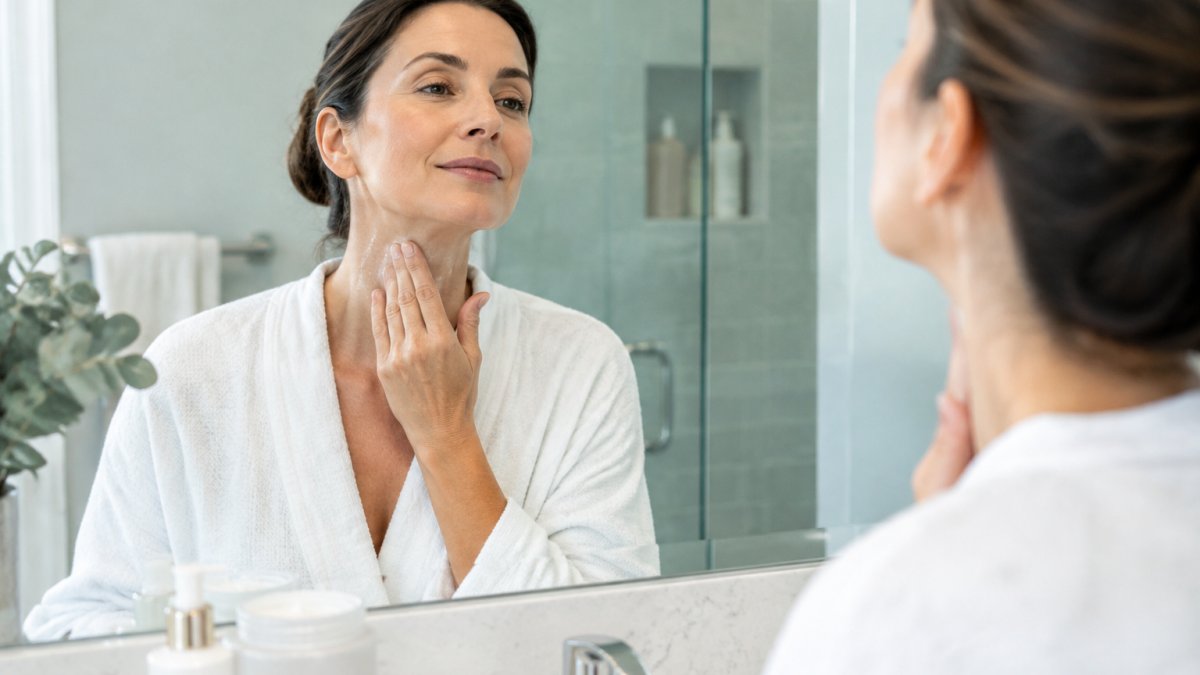
Sun protection matters during recovery, because treated skin can be more vulnerable to pigment changes, so daily sunscreen is important. For a detailed day-by-day breakdown, our laser facial recovery stages walkthrough covers what each phase typically feels like.
Neck wrinkles before and after laser treatment: setting realistic expectations
Laser treatment may soften neck wrinkles and improve skin texture, but it does not erase every line, and results vary from person to person.
Improvement is generally gradual. Early changes in texture may take a few weeks to appear, with continued improvement over the following months.
If firmness and laxity are your main concern, laser is sometimes combined with skin tightening approaches. Our overview of XERF skin tightening results explains what that treatment supports, how it feels, and when results appear, which helps you compare options honestly with your provider.
Honest expectation-setting is part of good care. Before committing to a plan, discuss realistic outcomes for your skin with your provider.
Questions to ask before laser skin treatment on your neck
Asking the right questions at your consultation protects your safety and helps you understand the commitment. Come prepared with a short list, and do not feel rushed. The most useful questions go beyond the device name and cover what happens after treatment, how progress is judged, and what to do if the plan is not working.
About the treatment and your candidacy
- Which device will you use for my neck, and why is it right for my skin type and concerns?
- Who performs the treatment, and what are their qualifications?
- What are the realistic risks and side effects for my skin, including pigment changes and scarring?
- How many sessions will I likely need, and how far apart?
- What aftercare will I need, and how much downtime should I plan for?
About follow-up and progress
- When will my first follow-up be, and what will you review at that visit?
- How will we assess whether the treatment is working, and what would count as a good response?
- Can some follow-up concerns be handled by phone or virtual visit, and when would I need an in-person skin examination?
- What should I do if I am worried between appointments?
About alternatives and next steps
- What alternatives should I consider, including skin tightening or combination approaches?
- If the recommended plan is not working after a fair trial, how would you reassess and adjust it?
- What are the next steps if we decide laser is not right for me?
A physician-led consultation should also cover your medical history, current medications, and any skin conditions that affect candidacy. Our guide to what a physician-led aesthetics consultation covers explains how a personalized plan is built around safety, timing, and your treatment choices.
How to choose a laser treatment clinic for neck rejuvenation
Choose a clinic led by a qualified physician, with a clear assessment process, transparent aftercare guidance, and a plan for follow-up. Safety and honest communication matter more than any single device.
Use this checklist when evaluating a clinic:
- The clinic is led or supervised by a licensed physician
- Your consultation includes a skin examination and medical history review
- The provider explains risks and alternatives, not just benefits
- You receive written aftercare instructions
- A follow-up appointment is scheduled before you leave
- You know how to contact the clinic between appointments
A clinic that skips the assessment or pressures you to book on the spot is a warning sign. For a fuller framework on safety and natural results, read our guidance on how to choose a physician-led aesthetic clinic.
| Stage | Typical timing | What to expect |
|---|---|---|
| Initial skin consultation | Before treatment | Skin examination, medical history, treatment plan |
| Treatment session | As scheduled | Laser applied to neck, mild warmth or discomfort |
| Early recovery | First few days | Redness, warmth, mild swelling |
| First follow-up | About 2 weeks post-treatment | Clinical review of healing and early response |
| Progress reassessment | Every 1 to 5 months | Review of treatment progress, refine care plan |
Book your neck laser consultation at Balwin Aesthetics
Neck rejuvenation generally starts with a proper assessment. Balwin Aesthetics offers physician-guided care led by board-certified physician Dr. Sameer Sardesai, with a treatment plan built around your skin, your medical history, and your goals.
We offer a range of non-surgical options, including Lase MD laser, skin tightening, pigment laser, and skin booster treatments, so your provider can recommend what suits your neck. Consultations are a good place to discuss your skin, realistic outcomes, and aftercare. As you weigh the options for your neck, the laser skin tightening guide can help you consider how this approach fits alongside your treatment goals.
If you have been putting off treating your neck because you were unsure what was involved, start with a conversation. Book your appointment now to start the conversation about your neck.
Frequently Asked Questions
Can laser treatment reduce wrinkles on the neck?
Laser treatment can improve the appearance of fine lines and crepey texture on the neck by stimulating collagen production. It is not a cure for deep laxity, but many people see smoother, more even skin after a series of sessions. A consultation with a qualified provider will confirm whether laser is right for your neck wrinkles and what results are realistic for your skin.
How many laser sessions are needed for neck wrinkles?
The number of sessions varies with the laser type, the depth of your wrinkles, and how your skin responds. Some people need several treatments spaced apart, while others may need more or fewer. Your provider will outline a treatment plan after examining your neck and reviewing your medical history. Follow-up appointments help track progress and adjust the plan if needed.
Is laser treatment safe for the delicate skin on the neck?
Laser treatment can be safe for the neck when performed by a trained professional using the right settings for thinner skin. Side effects like redness, swelling, or temporary pigment changes can occur. A clinic led by a qualified physician will typically assess your skin, discuss risks, and monitor your recovery.
How should I choose a clinic for laser treatment for neck wrinkles?
Look for a clinic with a qualified medical director, transparent consultation process, and a clear follow-up plan. Ask who performs the treatment, what laser is used, and what aftercare is provided. Reading reviews and viewing before and after photos can help. A clinic that invites questions and explains risks honestly is a better choice than one that promises perfect results.

