
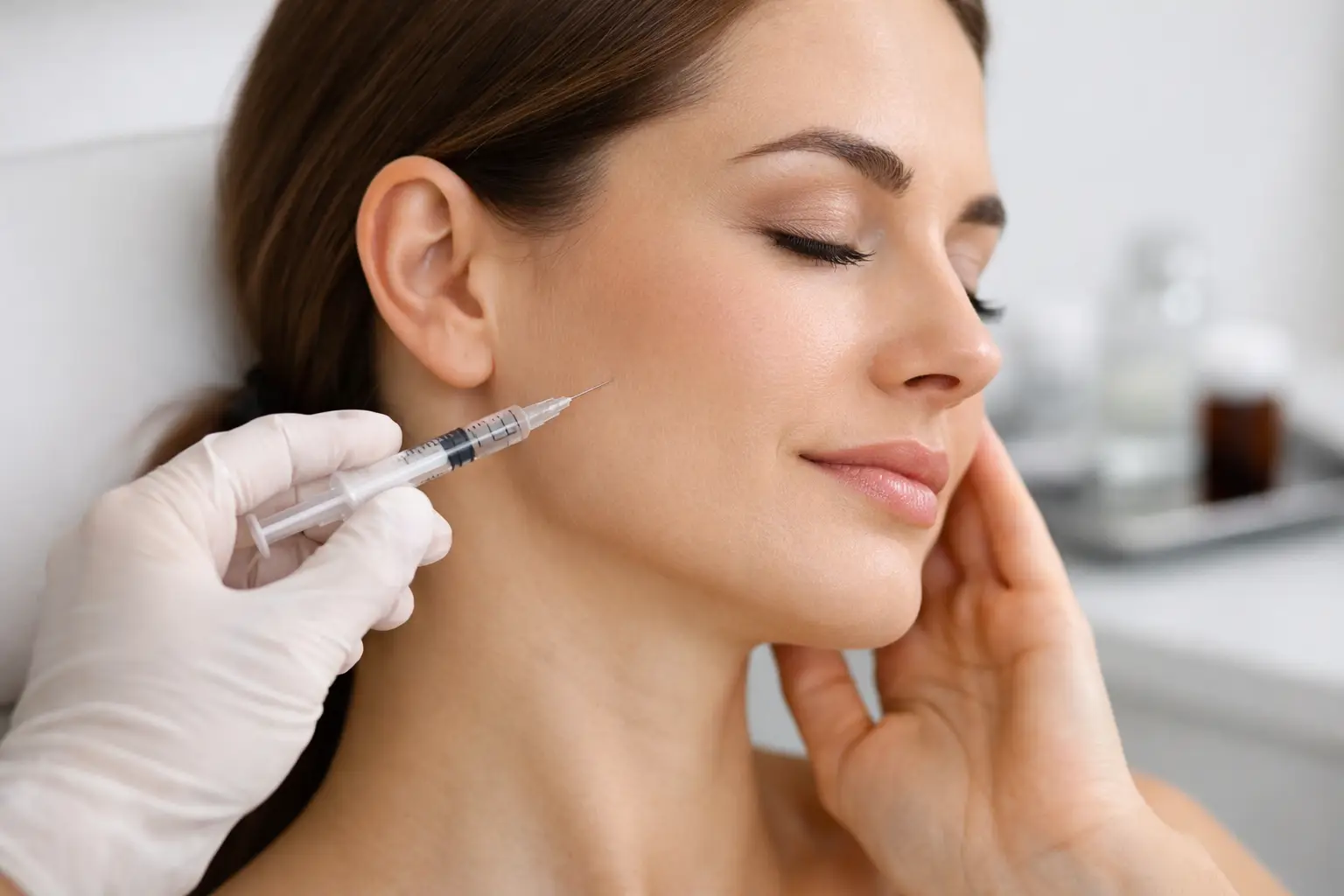
If you wake up with a sore jaw, headaches near the temples, or a feeling that your teeth have been working overnight, the issue may not be your teeth alone. For many patients, chronic clenching puts the masseter muscles into overdrive, and masseter botox for jaw tension becomes a practical option when a mouth guard or stress management has not been enough.
The masseter is one of the main muscles used for chewing. It sits at the angle of the jaw and can become enlarged or overactive in people who grind their teeth, clench during stress, or carry constant tension through the lower face. When that happens, the result is not just discomfort. It can also create a wider, heavier jawline that some patients find cosmetically bothersome.
Botox works by temporarily reducing how strongly that muscle contracts. In the right patient, this can decrease pressure, soften tension, and create a more tapered lower-face shape over time. It is a medical treatment with cosmetic benefits, which is exactly why assessment matters.
What masseter botox for jaw tension actually treats
Masseter Botox is not a cure for every source of jaw pain. That distinction matters. Jaw tension can come from several causes, including teeth grinding, stress-related clenching, temporomandibular joint dysfunction, bite issues, arthritis, or referred pain from nearby structures.
When the masseter muscle itself is a major part of the problem, treatment may help reduce the intensity of clenching and the fatigue that follows. Many patients describe relief from jaw soreness, morning tightness, and tension headaches. Some also notice less wear-and-tear feeling after chewing tougher foods.
If the pain is coming more from the joint than the muscle, results may be less predictable. That does not always mean Botox has no role, but it does mean a proper evaluation should come first. A physician-led consultation helps separate muscle-driven tension from issues that may need dental or TMJ-focused care.
How the treatment works
Botox is a neuromodulator that relaxes targeted muscles by interrupting the nerve signals that tell them to contract as forcefully. In the masseter, that means the muscle still works, but with less power.
Treatment is performed with a series of small injections placed into the bulk of the muscle on each side of the jaw. The process is quick, and most patients tolerate it well. There is usually no downtime beyond mild tenderness, brief swelling, or minor bruising at the injection sites.
Results do not appear instantly. Most patients begin to notice changes within one to two weeks, with fuller effect developing over several weeks. Relief from tension often comes before visible facial slimming, because the muscle needs time to shrink slightly once it is no longer being used so aggressively.
Who is a good candidate
A strong candidate for masseter Botox usually has a combination of symptoms and visible muscle activity. They may clench during the day, grind at night, or feel pronounced tightness near the back of the jaw. Some have a square lower-face shape that becomes more defined when they bite down.
This treatment tends to appeal to patients who want a nonsurgical option with little interruption to work or social plans. It can be especially attractive for professionals who want subtle improvement rather than a dramatic change.
That said, candidacy is not automatic. If you are pregnant or breastfeeding, have certain neuromuscular conditions, or have active infection in the treatment area, Botox may not be appropriate. If you already have a very narrow lower face or baseline chewing weakness, your injector may recommend caution or a more conservative plan.
The cosmetic effect of masseter slimming
One reason this treatment receives so much attention is that it can address both comfort and facial shape. When an enlarged masseter is reduced over time, the jawline may look narrower and less bulky. For patients with a lower-face heaviness caused by muscle hypertrophy rather than bone structure or fat, that can create a softer, more balanced appearance.
This is where expectations need to stay realistic. Botox does not reshape the skeleton, and it does not remove fat under the chin or along the jaw. If facial width is mainly due to anatomy, weight changes, or skin laxity, the cosmetic effect may be limited.
The best outcomes happen when the treatment plan matches the actual cause of the concern. In an aesthetics setting, that often means looking at the whole face instead of focusing on one feature in isolation.
What to expect during and after treatment
A careful consultation should include discussion of your symptoms, dental habits, facial anatomy, and treatment goals. Your injector may ask whether you wear a night guard, whether you have been diagnosed with bruxism, and whether your symptoms are worse in the morning or during stressful periods.
During the procedure, the provider identifies the borders of the masseter and places a customized amount of product into precise points within the muscle. Dosing varies. A patient with severe clenching and a very strong masseter may need more than someone seeking only mild cosmetic refinement.
Afterward, you can usually return to normal activities the same day. You may be advised to avoid rubbing the area, strenuous exercise for several hours, or lying flat immediately after treatment depending on your provider’s instructions.
Most patients return for maintenance every three to six months, though timing varies. Some find that as the muscle weakens and clenching habits improve, they can go longer between sessions. Others, especially those with persistent grinding, need more regular treatment.
Safety, side effects, and the importance of injector expertise
Masseter Botox is widely used, but technique matters. The masseter sits near other muscles involved in smiling and facial movement. Poor placement or overly aggressive dosing can create an unnatural look or functional issues such as chewing fatigue.
Common side effects are usually mild and temporary. These can include soreness, bruising, swelling, headache, or a feeling that the jaw tires more easily when chewing tougher foods. Less common but more frustrating issues may include asymmetry, an uneven smile, or excessive slimming that does not suit the face.
This is one reason many patients prefer physician-supervised aesthetic clinics for treatment. A medically trained injector is better positioned to evaluate whether Botox is the right answer, whether the dose is appropriate, and whether another concern should be addressed first. At a clinic like Balwin Aesthetics, that emphasis on individualized assessment is part of what helps protect both results and safety.
Masseter Botox vs other options for jaw tension
Botox is not the only way to manage jaw tension, and for many people it works best as part of a broader plan. Night guards can help protect teeth from grinding damage, though they do not always stop the muscle activity itself. Stress reduction, physical therapy, posture work, and dental evaluation can all play a role depending on the cause.
If the issue is severe bruxism, combining treatments often makes more sense than relying on one solution. Botox may reduce force, while a night guard protects enamel. If bite alignment is contributing, dental care remains important.
The trade-off is straightforward. Botox can be highly effective for muscle overactivity, but it is temporary and requires maintenance. A guard is noninvasive, but many patients still wake up sore while wearing one. The right approach depends on whether your main goal is pain reduction, tooth protection, facial slimming, or a combination of all three.
Questions worth asking before you book
A good consultation should leave you with a clear understanding of what is being treated and what kind of result is realistic. Ask whether your symptoms appear muscle-related, how much product may be needed, how long results typically last, and what side effects are most relevant in your case.
It is also reasonable to ask how often the provider performs masseter treatment and how they avoid affecting nearby muscles. This is not about being difficult. It is about making an informed decision with a treatment that influences both function and facial shape.
If your jaw tension is constant, your face looks wider from repeated clenching, or you have tried basic measures without enough relief, masseter Botox may be worth considering. The key is not chasing a trend. It is choosing a personalized treatment plan that respects your anatomy, your symptoms, and the kind of result you want to see in the mirror and feel in everyday life.
