
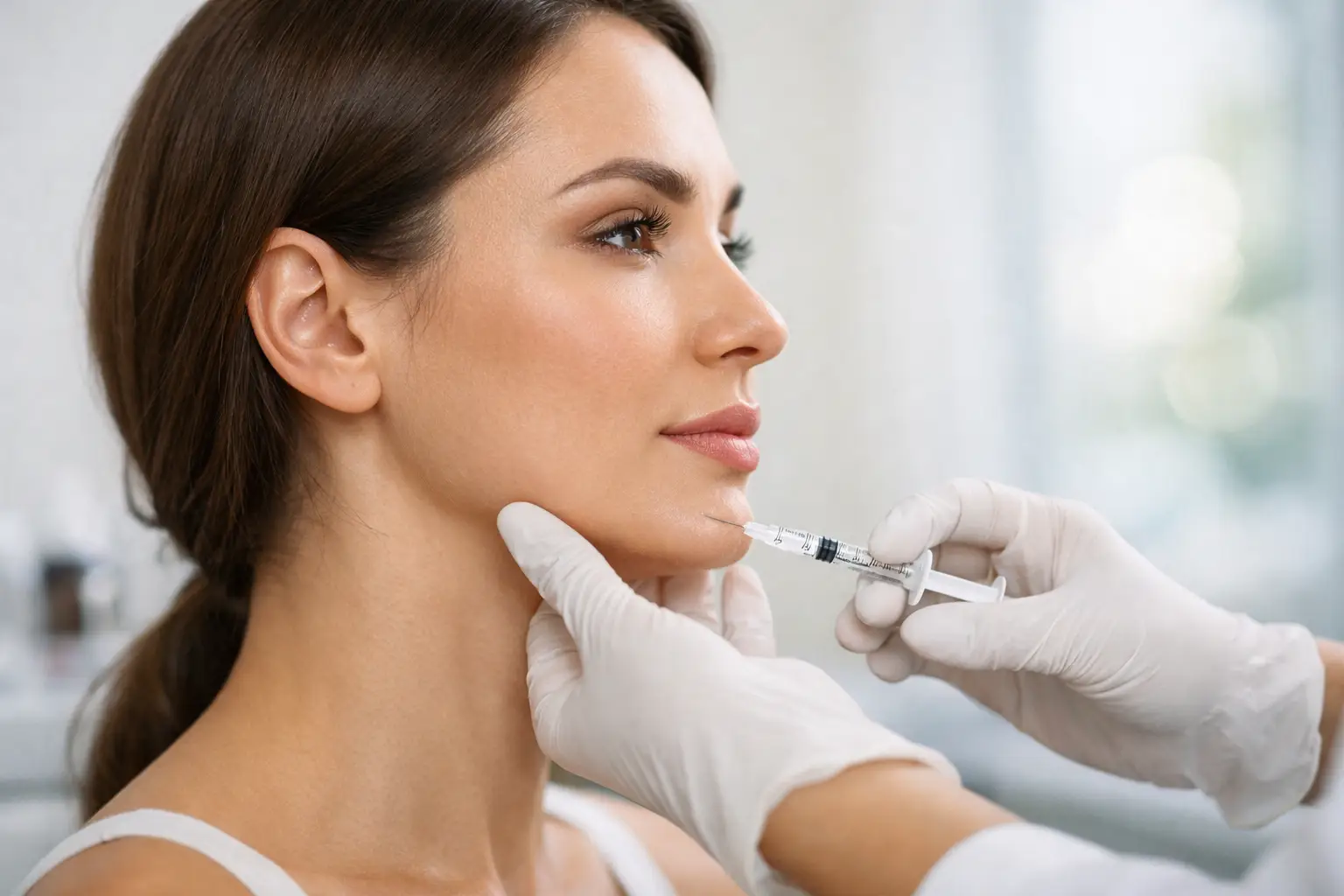
A defined jawline can make the entire face appear more balanced, refreshed, and structured. Yet a softer jawline is not always caused by one concern. It may reflect chin projection, volume loss along the lower face, a naturally wider masseter muscle, or early skin laxity. Non surgical jawline enhancement addresses these details with an individualized approach, rather than attempting to create one standard look for every face.
For many patients, the goal is not a dramatically sharper profile. It is a stronger sense of proportion that still looks like them. With physician-guided treatment planning, injectable options can refine the lower face with little to no downtime and without the commitment of surgery.
What creates a less-defined jawline?
The jawline is shaped by bone structure, fat distribution, muscle activity, skin quality, and facial volume. Because these factors interact, a treatment that works beautifully for one person may not be the right choice for another.
For example, a recessed or under-projected chin can make the jawline appear shorter and less distinct, even when the jaw itself has good structure. In other cases, volume loss near the cheeks or along the pre-jowl area can create shadows and a less continuous contour. Some patients have prominent masseter muscles from genetics, teeth grinding, or frequent clenching, which can make the lower face look wider or more square.
Skin laxity also matters. Injectable contouring can improve definition, but it cannot create the same result as surgery when there is significant loose skin or substantial fullness below the chin. A thoughtful consultation should identify the primary cause of the concern before recommending treatment.
Non surgical jawline enhancement options
Dermal fillers are often the foundation of nonsurgical jawline contouring. Hyaluronic acid filler can be placed strategically along the chin, jaw angle, and jawline to improve projection, restore structural support, and create a smoother transition from chin to neck. The product is selected and placed based on your facial anatomy, tissue quality, and desired level of definition.
A stronger chin is frequently an important part of the plan. Adding support there can improve the appearance of the jawline from the front and profile view, sometimes with less filler needed along the sides of the jaw. For patients seeking a refined, natural result, this balanced approach is often more effective than simply adding volume everywhere.
Botox for a wider or tense lower face
Botox may be considered when enlarged masseter muscles contribute to facial width or jaw tension. Carefully placed treatment relaxes part of the muscle over time, which may soften a square lower-face shape and reduce symptoms related to clenching for appropriate candidates.
This is not a replacement for filler. In fact, Botox and filler accomplish very different goals. Botox can reduce muscle bulk, while filler builds support and contour. In some cases, using both treatments creates a more balanced result. In others, treating the masseters could make the face appear too narrow or reduce the support needed for a desired jawline shape. Assessment is essential.
Skin quality and contour work together
A sharp jawline is not only about structure. Smooth, healthy-looking skin helps light reflect more evenly across the lower face and neck, making contours appear more polished. Treatments that support skin renewal, such as microneedling, chemical peels, or selected laser treatments, may be recommended as part of a broader facial rejuvenation plan when texture, discoloration, or fine lines are also concerns.
These treatments do not replace filler-based contouring. They address a different layer of the concern. Combining structural enhancement with skin-focused care can be valuable for patients who want their results to look refined from every angle.
What happens during treatment?
Your appointment begins with a facial assessment, including how your features look at rest, in motion, and from multiple angles. A physician-led consultation should also include a review of medical history, medications, previous aesthetic treatments, and your expectations. Photos may be taken for treatment planning and to help evaluate progress over time.
If filler is appropriate, the area is cleansed and a topical numbing agent may be used. The injector may use a needle, cannula, or a combination of both, depending on the treatment area and anatomy. Product is placed gradually, with frequent reassessment rather than a rushed attempt to achieve the entire result at once.
Most appointments are relatively quick, although careful planning should never be hurried. You may see improvement immediately after filler treatment, but mild swelling can temporarily make the area look fuller or less defined. Botox results develop gradually, typically becoming more noticeable over the following days and weeks.
How long do results last?
Longevity depends on the product used, the amount placed, your metabolism, and the movement in the treated area. Jawline and chin filler often lasts longer than filler placed in highly mobile areas of the face, but maintenance is still expected. Many patients return periodically to preserve their preferred level of contour.
Masseter Botox is also temporary. Muscle activity gradually returns, and follow-up treatment may be needed to maintain the effect. With repeat treatment, some patients find that their masseters remain less prominent for longer intervals, though individual response varies.
The right plan is one that considers long-term facial balance. Adding more filler at every visit is not always the best path. Sometimes a small touch-up is appropriate; sometimes waiting is the more conservative and aesthetically sound decision.
Safety should guide every decision
Injectable jawline treatment is a medical procedure, not a standard spa service. The jawline contains important blood vessels and anatomical structures, so provider training, product knowledge, and emergency preparedness are central to safe care.
A qualified provider should discuss possible side effects before treatment. Temporary tenderness, swelling, redness, bruising, and asymmetry can occur. More serious filler complications are uncommon but require prompt recognition and medical management. This is one reason to choose a clinic where facial anatomy, appropriate patient selection, and natural-looking outcomes are treated as priorities.
You should also be candid about prior filler, dental procedures, autoimmune conditions, allergies, active skin infections, and medications or supplements that may increase bruising. Some patients may need to postpone treatment, adjust their plan, or consider an alternative approach.
Is nonsurgical treatment right for you?
Non surgical jawline enhancement may be a good option if you want more definition, improved chin projection, or a less bulky lower-face shape without surgery or a lengthy recovery. It can be especially appealing for patients who prefer gradual, adjustable treatment and want to see how subtle changes suit their features.
It may not be the best choice when substantial skin laxity, significant under-chin fullness, or major skeletal imbalance is the primary concern. In these situations, a reputable provider should explain the limitations clearly rather than overpromise what injectables can achieve.
At Balwin Aesthetics, treatment planning centers on facial harmony, medical oversight, and results that complement your natural features. The most successful jawline enhancement does not announce itself. It simply helps your profile, proportions, and confidence feel more aligned.
