
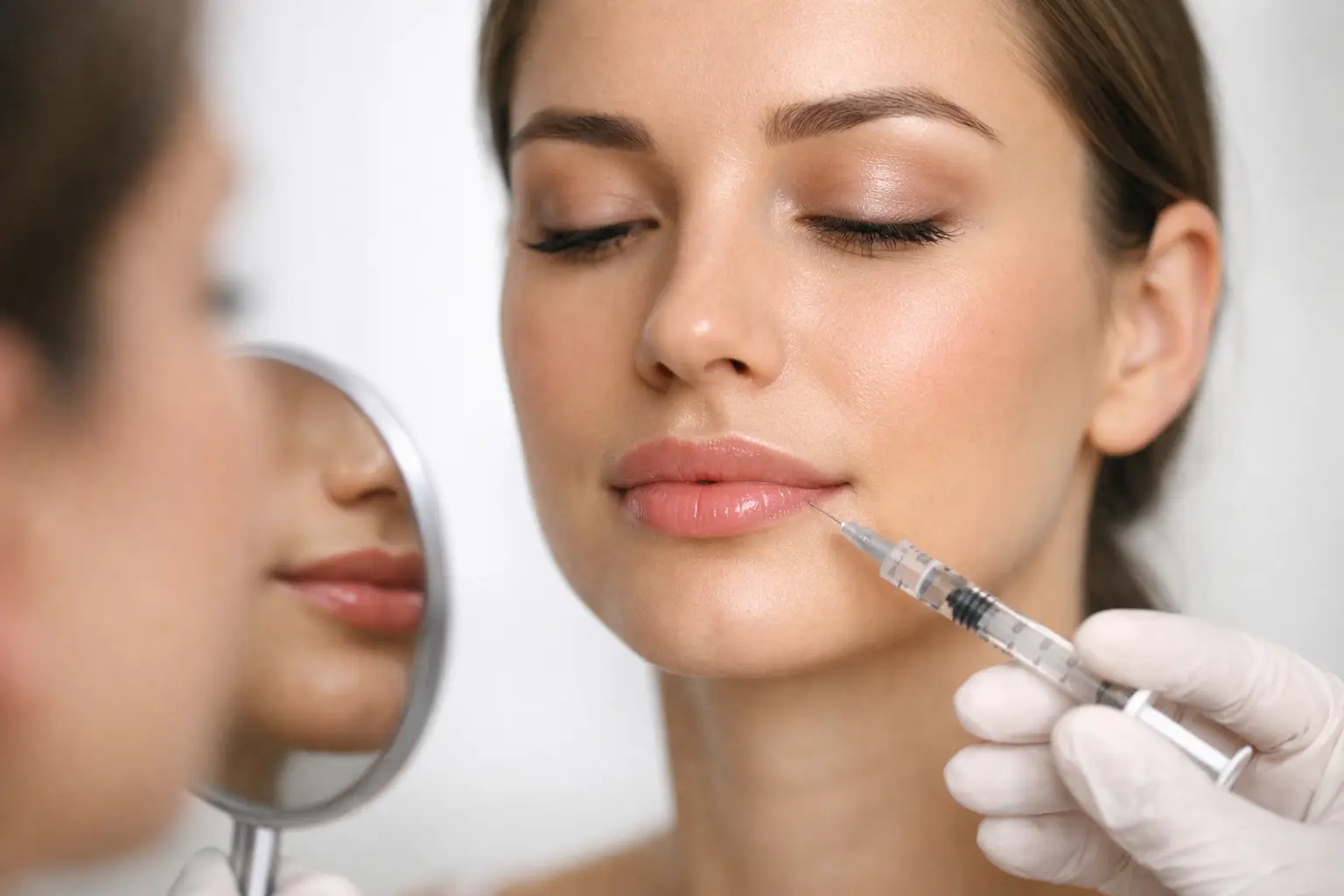
A natural-looking lip enhancement should not announce itself before you do. The goal of subtle lip filler results is usually not a dramatically different mouth. It is a refreshed, balanced appearance that supports your facial features, restores definition that may have softened over time, or addresses a detail you have always wanted to refine.
For some patients, that means a little more hydration and smoothness. For others, it means gentle support along the lip border, improved symmetry, or a modest increase in volume. The right approach depends on your anatomy, your goals, and how your lips move when you speak and smile.
What subtle lip filler results actually mean
“Subtle” does not mean one standard amount of filler. A small amount can look noticeable on a person with naturally thin lips, while the same amount may create only a minor change on someone with more existing volume. Natural results come from proportion, placement, and restraint rather than a predetermined number of syringes.
A well-planned treatment respects the relationship between the upper and lower lip, the philtrum, the chin, and the surrounding facial structure. Your lips should remain expressive. Their shape should make sense with your face from the front and in profile.
Subtle enhancement can improve several concerns without creating an overfilled appearance. It may soften fine vertical lines, restore a blurred lip border, add mild projection, or correct a small asymmetry. It can also create a more hydrated look when a soft hyaluronic acid filler is placed thoughtfully within the lip tissue.
The trade-off is that a conservative first treatment may not produce the same change as a more dramatic approach. For many patients, that is a benefit. Starting conservatively allows the injector to evaluate how your lips settle and gives you the option to add more later if appropriate.
Why natural results begin before the injection
The most convincing lip filler result starts with an in-person consultation, not a reference photo. Photos can be useful for communicating preferences, but they cannot account for your unique lip shape, tissue quality, facial proportions, or dental support.
A physician-led assessment considers your medical history, prior filler experience, medications, allergies, and any history of cold sores. If you are prone to cold sores, preventive medication may be discussed before treatment. Your provider should also assess the lips at rest and in motion, since a lip that looks balanced in a still image may behave differently when you smile.
This planning stage is also where honest expectations matter. Filler can enhance shape and volume, but it cannot always correct pronounced asymmetry or create every feature seen in an edited photograph. Patients with very thin lips may need gradual treatment over more than one appointment to avoid placing too much product at once.
At Balwin Aesthetics, personalized treatment planning centers on refined enhancement rather than a one-size-fits-all look. The objective is to help patients make informed choices while keeping safety and facial harmony at the center of the plan.
Choosing the right filler and placement
Most lip fillers are made with hyaluronic acid, a substance that attracts water and is naturally present in the body. Different formulations have different textures and lifting properties. Softer products may be selected for hydration and smooth integration, while another option may offer more structure for definition or support.
The product matters, but the injector’s technique matters just as much. Placement too close to the surface, too much product in one area, or poor respect for lip anatomy can lead to visible irregularities or an unnatural shape. A trained medical injector understands the vascular anatomy of the lips and has a plan for managing the rare but serious complications that can occur with any filler treatment.
An experienced provider may also recommend treating areas beyond the lips only when it supports the overall goal. For example, the area around the mouth or chin can affect how lip projection appears. That does not mean every patient needs additional treatment. It means the decision should be based on facial balance, not pressure to add more.
The first two weeks can be misleading
Patients often judge their lips too early. Mild swelling, tenderness, and bruising are common after lip filler, and the lips can look fuller than expected for the first few days. Swelling is often most visible within the first 24 to 48 hours, although each person’s recovery is different.
During this period, the final shape has not yet declared itself. Small areas may feel firm or uneven while the product integrates and swelling resolves. Your injector will tell you whether gentle massage is appropriate for your specific treatment. Do not massage or press on the lips unless you have been instructed to do so.
For the first day, avoid strenuous exercise, excessive heat, alcohol, and anything that may increase swelling. Plan your appointment with social events, photographs, and travel in mind. If you want lip filler for a wedding or an important event, scheduling several weeks ahead offers more room for healing and a follow-up assessment if needed.
Contact your clinic promptly if you have severe or worsening pain, unusual skin discoloration, increasing swelling on one side, coldness, blistering, or any concern that feels outside the expected recovery process. While serious filler complications are uncommon, timely assessment is essential.
When you will see the final result
Many patients see an immediate change, but it is best to assess subtle lip filler results after swelling has settled, typically around two weeks. This is when your provider can evaluate symmetry, shape, and integration with greater accuracy.
A follow-up can be especially valuable for first-time patients. Sometimes the right decision is to leave the result alone. Sometimes a very small adjustment is appropriate. The best outcome is not necessarily the fullest lip possible. It is the result that still feels like you.
How to ask for a subtle look
Be specific about the outcome you want rather than only stating that you want “natural” lips. Natural can mean different things to different people. You might want your lip border to look clearer, your upper lip to show slightly more when you smile, or your lower lip to appear less dominant in photographs.
It also helps to explain what you do not want. If you are concerned about excessive projection, a sharply defined border, or a noticeably enlarged upper lip, say so. These details help guide a treatment plan that reflects your preferences.
During your consultation, expect to discuss:
- Whether you want hydration, definition, volume, symmetry, or a combination of these goals
- How much downtime you can accommodate before work, travel, or an event
- Whether you have had previous filler and if you liked how it settled
- Your comfort level with a gradual, staged approach
You should also feel comfortable asking about the product being used, the injector’s qualifications, possible risks, and the plan if a complication occurs. Quality aesthetic care includes clear answers, not vague reassurance.
Maintaining a refined lip filler result
Lip filler longevity varies. Your metabolism, the product used, the amount placed, and the natural movement of the lips all influence how long the result lasts. Many patients find that lip filler can last several months, though individual experiences differ.
Maintenance should be based on how your lips look and feel, not on a rigid calendar. Repeatedly adding filler before the previous treatment has been fully assessed can gradually create more volume than intended. A careful provider will evaluate your existing filler and recommend waiting, dissolving prior filler when clinically appropriate, or using only a small amount when that better serves your goal.
Hydration, sun protection around the mouth, and avoiding smoking can support the overall appearance of the lip area, but they do not replace a thoughtful injection plan. The most reliable way to preserve a natural look is to avoid chasing volume and instead reassess your facial balance at each visit.
The right lip filler treatment should leave room for your own features to be seen. If you are considering enhancement, choose a medically qualified provider who listens closely, treats conservatively when appropriate, and gives your lips time to settle before deciding what comes next.
