
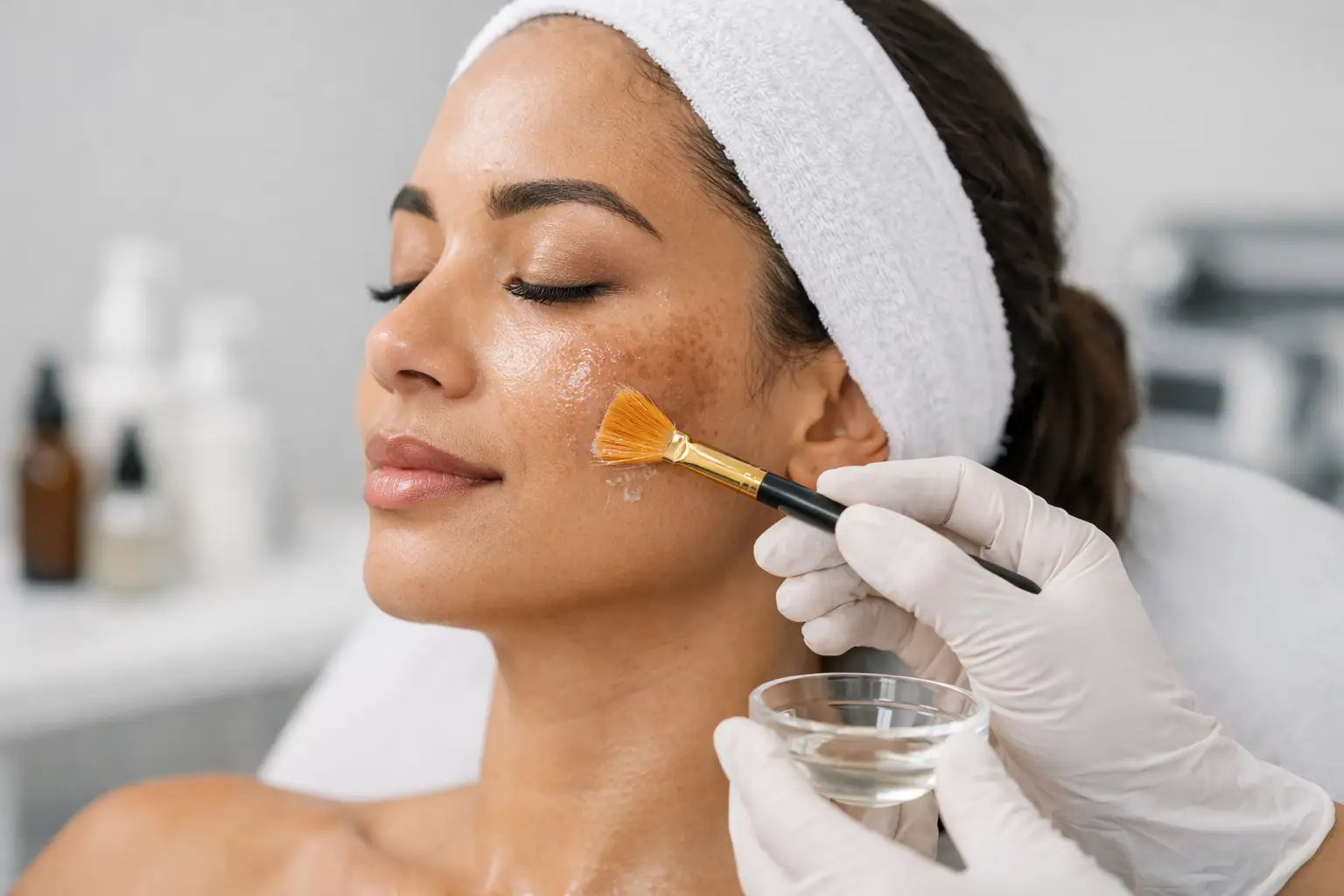
Pigmentation rarely behaves the way patients expect. A dark spot may look like simple sun damage, but the cause could be post-inflammatory hyperpigmentation, melasma, or a mix of several concerns. That is exactly why a chemical peel for pigmentation can be very effective in some cases and disappointing in others. The treatment itself matters, but the diagnosis matters just as much.
For patients who want brighter, clearer, more even-toned skin without surgery, chemical peels remain one of the most established in-office options. When chosen well and performed under proper medical guidance, they can improve discoloration, refine texture, and support overall skin renewal. The key is knowing what a peel can realistically do, how deeply it should work, and whether your pigmentation pattern is actually a good match.
How a chemical peel for pigmentation works
A chemical peel uses a controlled acidic solution to exfoliate the skin and accelerate cell turnover. As the outer layers shed, excess pigment in damaged or uneven skin cells is gradually lifted away. This process can soften the appearance of sun spots, acne marks, and certain forms of post-inflammatory discoloration.
Some peels work very superficially, targeting the uppermost layer of skin with minimal downtime. Others penetrate more deeply and produce more noticeable peeling, redness, and recovery. For pigmentation, the goal is not always to use the strongest peel possible. In many cases, a series of lighter, carefully spaced treatments gives better and safer results than one aggressive session.
The ingredients matter. Glycolic acid, lactic acid, salicylic acid, mandelic acid, trichloroacetic acid, and blended brightening peels are all used in aesthetic medicine, but not interchangeably. Each has a different profile in terms of depth, irritation, oil control, and suitability for different skin types.
Which types of pigmentation respond best
Not every dark mark responds the same way, and that distinction affects treatment planning.
Sun damage and superficial hyperpigmentation often respond well to peels. These are the brown spots and uneven areas that develop gradually from UV exposure and skin aging. Because much of the excess pigment sits closer to the surface, exfoliative treatments can help significantly.
Post-inflammatory hyperpigmentation, often left behind after acne, irritation, or minor skin injury, may also improve with the right peel. That said, this is an area where over-treatment can backfire. If the skin becomes too inflamed, pigment can worsen rather than fade, especially in deeper skin tones.
Melasma is more complicated. A peel may help lighten melasma temporarily, but this condition is hormonally influenced and easily triggered by heat, sunlight, and inflammation. Peels can be part of a treatment plan for melasma, but they are rarely a complete solution on their own. Patients with melasma usually do best with a broader strategy that includes topical pigment control, strict sun protection, and careful treatment timing.
Who is a good candidate
A good candidate for a chemical peel for pigmentation is someone with stable skin, realistic expectations, and discoloration that has been properly assessed. Patients with mild to moderate uneven tone, acne marks, dullness, or sun-related spots often do well, particularly when they are willing to follow pretreatment and aftercare instructions.
Skin tone is an important consideration, not a barrier. Patients with medium to deep skin tones can absolutely benefit from peels, but the treatment must be selected carefully. Stronger is not necessarily better. In skin that is more prone to post-inflammatory pigment changes, a conservative, physician-guided approach is often the safest path.
Active irritation, uncontrolled rosacea, open acne lesions, recent sunburn, certain medications, and poor adherence to sunscreen can all make a peel less appropriate. Pregnancy, breastfeeding, or a history of abnormal scarring may also change the plan depending on the peel being considered.
What results to expect
One of the most common misconceptions is that a peel removes pigmentation in a single visit. While some patients do notice visible brightening after one session, most benefit from a series. Pigment usually fades gradually as the skin cycles through repair and renewal.
Results depend on the type of pigmentation, its depth, your skin tone, the strength of the peel, and how consistent you are with aftercare. A patient with superficial sun spots may respond fairly quickly. A patient with melasma or long-standing acne discoloration may need a slower and more layered plan.
You should also expect improvement, not perfection. Even with a strong response, maintenance matters. Pigmentation has a tendency to return if sun exposure is not controlled or if the original trigger remains active.
Recovery and aftercare matter more than many patients realize
Recovery can range from mild dryness and flaking to several days of visible peeling. The exact experience depends on the depth of the peel and your skin’s sensitivity. It is normal to feel tightness, dryness, or light redness in the early phase.
The bigger issue is what happens after you leave the clinic. Freshly treated skin is more vulnerable to UV exposure, heat, friction, and irritation. If you pick at peeling skin, use harsh products too soon, or skip sunscreen, you increase the risk of uneven healing and rebound pigmentation.
Aftercare usually includes gentle cleansing, moisturizer, sun avoidance, and daily broad-spectrum SPF. In some cases, patients are also placed on brightening or pigment-regulating skincare before and after treatment to improve results and reduce the risk of complications. This is one reason a physician-led clinic setting matters. The peel is only one piece of the outcome.
When a chemical peel is not the best option
There are situations where another treatment may be better than a peel, or where combination care makes more sense.
Deeper pigmentation may respond more effectively to laser treatment, particularly when the target is distinct sun spots or certain vascular-pigment combinations. Patients with textural acne scarring and post-acne discoloration may benefit from pairing pigment-focused treatment with microneedling or other collagen-stimulating options. For stubborn melasma, topical therapy and disciplined maintenance often carry more weight than procedural intensity.
There is also the question of timing. If a patient has an upcoming event, a peel may not be ideal if there is a chance of visible peeling during recovery. If someone spends long hours outdoors or cannot avoid sun exposure, it may be smarter to postpone treatment until after habits and timing are better aligned.
Why professional assessment changes the outcome
From the patient side, pigmentation can look simple. From the medical side, it often is not. Brown patches can overlap with redness, inflammation, textural damage, or hormonal triggers. Treating the surface without understanding the pattern is where frustration starts.
A professional consultation helps determine whether the discoloration is epidermal or deeper, whether your skin is prone to irritation, and whether a peel is likely to help safely. It also helps establish the right concentration, contact time, and treatment interval. Those details are not minor. They directly influence both results and risk.
At a physician-led clinic such as Balwin Aesthetics, that planning process is part of the value. Patients are not simply choosing a peel from a menu. They are getting a treatment decision based on skin type, medical history, cosmetic goals, and the likelihood of achieving natural-looking improvement without unnecessary irritation.
Questions worth asking before treatment
Before booking a peel, ask what type of pigmentation you actually have and whether it is expected to respond well. Ask how many sessions are usually recommended, what downtime to expect, and what skincare needs to be paused or added. If you have medium to deep skin tone, ask specifically about pigment risk and how the treatment will be adjusted to protect your skin.
You should also ask what happens if the peel is not the best option. A trustworthy consultation does not force every concern into the same treatment. Sometimes the best decision is a different laser, a topical program, or a slower combined plan that prioritizes skin stability first.
A chemical peel can be an excellent treatment for pigmentation, but the best results come from precision, not guesswork. If your goal is clearer, more even skin, the smartest first step is not choosing the strongest peel. It is choosing the right diagnosis and a plan your skin can respond to well.
