
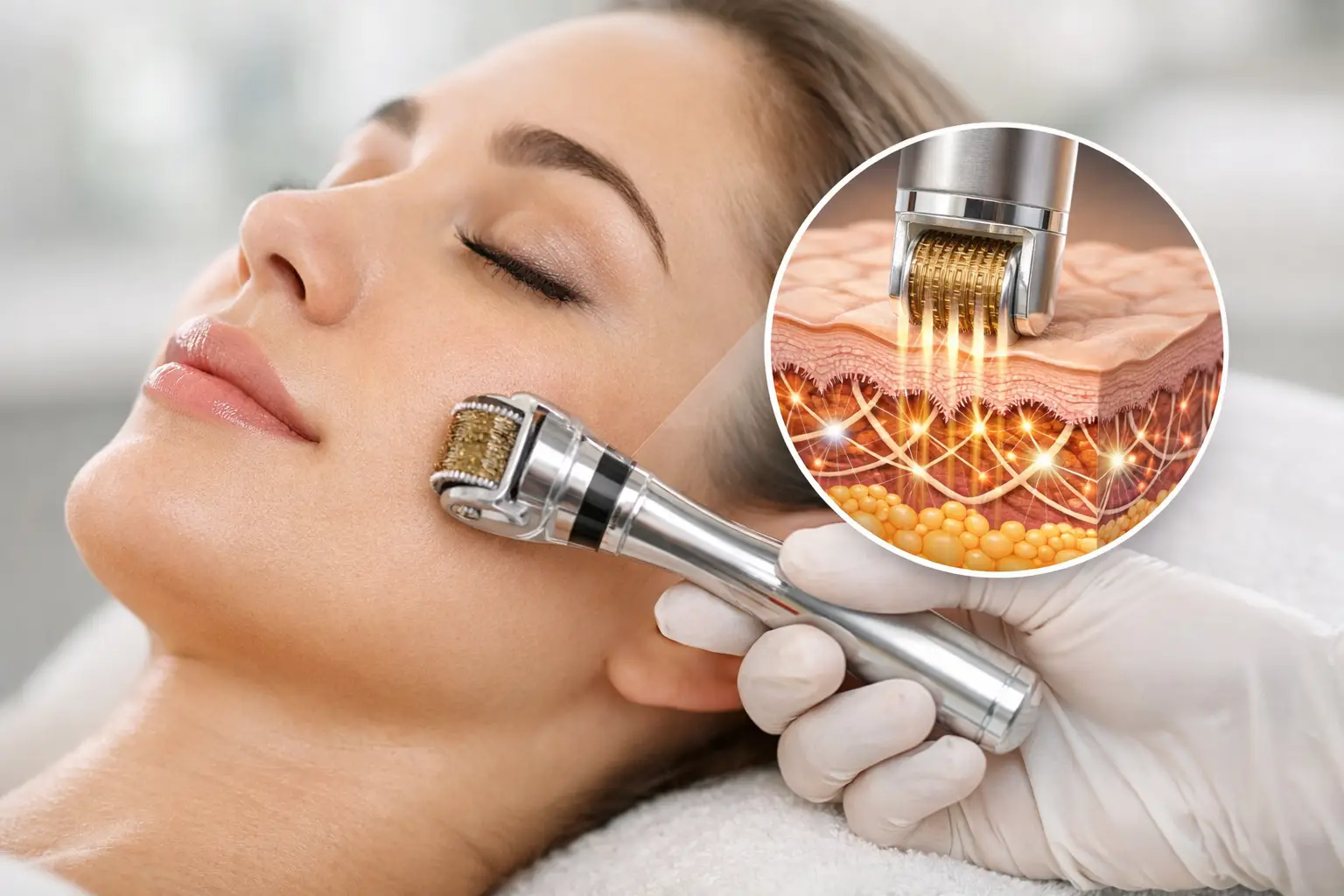
A fine line that catches the light differently, acne scarring that makeup cannot fully blur, or skin that no longer feels as firm as it once did can be frustrating. Understanding how microneedling stimulates collagen production helps explain why this treatment is a respected option for improving skin texture, tone, and overall quality without surgery.
Microneedling is not simply about creating tiny channels in the skin. When performed with appropriate depth, technique, and skin assessment, it initiates a controlled healing response. The goal is to encourage the skin to rebuild and reorganize supportive structures from within, leading to gradual, natural-looking improvement rather than an abrupt change.
How Microneedling Stimulates Collagen Production
Collagen is one of the primary proteins that gives skin its structure and resilience. It works alongside elastin and hyaluronic acid to help skin appear smooth, cushioned, and flexible. Over time, collagen production naturally slows. Sun exposure, inflammation, smoking, hormonal changes, genetics, and repeated facial movement can further contribute to fine lines, laxity, enlarged pores, and uneven texture.
During a professional microneedling treatment, a medical-grade device creates precise micro-injuries in the skin. These channels are controlled and temporary. Your body recognizes them as an injury signal and begins the normal wound-healing process.
The first phase is inflammation, which is a short and expected part of repair. Blood flow increases, and the body sends growth factors and repair cells to the treated area. Next comes the proliferative phase, when fibroblasts, the cells responsible for producing collagen and other structural components, become more active. In the remodeling phase, newly formed collagen fibers mature and organize over time.
This sequence is why results are not immediate. The surface may look refreshed after initial redness settles, but meaningful collagen remodeling develops gradually over several weeks and months. The skin is doing biological work beneath the surface, which is also why a series of treatments is often recommended for concerns such as acne scars or more established texture changes.
The controlled injury matters
The word “injury” can sound concerning, but in this setting it is controlled, measured, and performed for a specific clinical purpose. Professional devices allow treatment depth to be adjusted according to the area being treated, the concern being addressed, and the patient’s skin characteristics.
That distinction matters. Skin around the eyes, for example, requires a different approach than thicker skin on the cheeks or areas with deeper acne scarring. A physician-led consultation helps determine whether microneedling is appropriate, which settings are suitable, and whether another treatment may better serve your goals.
What Collagen Remodeling Can Improve
Microneedling is frequently chosen for skin concerns tied to texture and structural support. As collagen remodeling progresses, patients may notice that their skin looks smoother, more refined, and more even in the way it reflects light. The degree of improvement depends on the concern, the treatment plan, and individual healing response.
Fine lines and early crepiness may soften as the skin’s supportive matrix improves. Mild laxity can appear more refined, although microneedling is not a replacement for surgical lifting when significant sagging is present. Enlarged pores may look less noticeable when the surrounding skin becomes firmer and smoother.
Acne scars are another common reason patients consider microneedling. Depressed scars can be difficult to treat because they involve changes below the skin’s surface. Repeated collagen stimulation may help lift and blend certain scar types over time. However, not every scar responds in the same way. Deep ice-pick scars, raised scars, and scars with strong tethering may require a different or combined approach.
Microneedling can also support a more even-looking complexion, particularly when dullness and uneven texture are concerns. It should not be viewed as a cure for pigmentation conditions. Patients prone to post-inflammatory hyperpigmentation need careful treatment planning, sun protection, and appropriate skin care before and after treatment.
Why Professional Technique Makes a Difference
At-home rollers and professional microneedling are not equivalent. Consumer devices generally use much shorter needles and do not offer the same level of precision, sterility, or treatment customization. They may provide temporary surface-level benefits, but they are not designed to address deeper structural concerns in the same way as a medically supervised treatment.
A professional assessment also considers factors that can affect safety and outcomes. Active acne, skin infection, an eczema flare, a history of abnormal scarring, certain medications, and recent use of irritating skincare products may mean treatment should be postponed or modified. For some patients, microneedling may not be the best first step.
The quality of the device, preparation of the skin, needle depth, pass pattern, and aftercare all influence the experience. Aggressive treatment is not automatically better. More depth or more passes do not guarantee better collagen production and can increase the risk of prolonged irritation, pigment changes, or unwanted inflammation. The most effective approach is one that is tailored to the skin, not one-size-fits-all.
Microneedling with PRP
Some treatment plans pair microneedling with platelet-rich plasma, often called PRP. PRP is prepared from a small sample of the patient’s own blood and contains concentrated platelets and growth factors. When used alongside microneedling, it may support the healing environment and is commonly considered for concerns such as texture, scarring, and overall skin quality.
It is not necessary for every patient. Standard microneedling can be an excellent treatment on its own, while PRP may be recommended based on your goals, timeline, and the condition of your skin. A personalized consultation can clarify whether the added step makes sense for you.
What to Expect After Treatment
Most patients experience redness similar to a mild-to-moderate sunburn immediately after microneedling. The skin may feel warm, tight, or slightly sensitive for the first day or two. Minor swelling and pinpoint bleeding can occur depending on the treatment depth and area.
Recovery is usually brief, but the skin needs thoughtful care. Your provider may recommend gentle cleansing, a simple hydrating moisturizer, and daily broad-spectrum sunscreen. For a short period, avoid exfoliating acids, retinoids, scrubs, and other potentially irritating products unless your provider advises otherwise. Intense exercise, heat exposure, swimming pools, and makeup may also need to be avoided immediately after treatment.
Do not plan microneedling immediately before a major event. While many patients look presentable within a few days, the timing of redness and light flaking varies. Allowing adequate recovery time is especially wise for first-time treatment.
When Will You See Results?
A healthy glow may be visible once initial redness resolves, partly because the surface of the skin is freshly renewed. Collagen-related improvement takes longer. Many patients begin to notice changes in texture and firmness around four to six weeks after treatment, with continued improvement over the following months.
For general skin renewal, a series of treatments spaced several weeks apart is common. More significant acne scarring or textural concerns may require additional sessions and, in some cases, complementary treatments such as chemical peels, laser treatments, or targeted scar procedures. The right plan depends on the condition being treated, your skin type, and the level of improvement you want to achieve.
Maintenance matters, too. Microneedling can encourage new collagen, but it does not stop natural aging or erase the effects of ultraviolet exposure. Consistent sunscreen use, medical-grade skincare when appropriate, healthy lifestyle habits, and periodic maintenance treatments can help protect and extend your results.
Is Microneedling Right for You?
Microneedling can be a strong option for adults seeking gradual improvement in fine lines, acne scars, pores, uneven texture, and early signs of skin laxity. It is particularly appealing to patients who want a non-surgical treatment with limited downtime and results that develop naturally.
The best candidates are not defined by age alone. Skin health, active conditions, previous procedures, medication use, scar history, and personal goals all matter. During a consultation at Balwin Aesthetics, a qualified provider can assess your skin, discuss realistic outcomes, and recommend a treatment plan that prioritizes both safety and refined results.
Collagen renewal is a process, not a quick fix. With the right treatment strategy and patience for the skin’s natural repair cycle, microneedling can be a thoughtful investment in smoother, firmer, more resilient-looking skin.
