
Quick Summary
PRP under eye results are not permanent, and there is no single duration that applies to everyone. Improvement tends to fade gradually, and periodic follow-up sessions can help maintain the benefit. Your clinician can estimate what to expect based on your skin and goals.
- PRP is made from your own blood, concentrated to contain platelets and growth factors.
- Published duration estimates vary because outcome measures and treatment protocols are not standardized.
- Visible change often develops gradually over weeks, so results are not immediate.
- Maintenance is usually discussed once results begin to fade, not on a fixed schedule.
- PRP supports skin texture and quality, while fillers are generally considered for restoring volume.
Table of Contents
- What PRP Under Eye Treatment Involves
- How Long PRP Under Eye Results Last
- PRP Under Eye Results Timeline
- How Many PRP Treatments for Under Eyes Are Typically Needed
- PRP Under Eye Recovery Time and Side Effects
- PRP vs Filler Under Eyes: Which Concerns Each Can Address
- Booking a Consultation to Plan Your Under Eye Treatment
- Frequently Asked Questions
What PRP Under Eye Treatment Involves
Last Updated: November 20, 2026
Platelet-rich plasma (PRP) under eye treatment uses a concentrate made from your own blood to support the skin beneath the eyes. Clinicians typically use it to address dark circles, fine lines, and a dull or thin skin texture in this delicate area. Each step is worth understanding before you decide, so you know what to expect from start to finish.
The question most people ask is how long the results last. The answer depends on your skin, your age, and how the treatment is spaced. This article walks through the process, the realistic timeline, and what a qualified clinician can and cannot address.
How PRP is prepared from your own blood
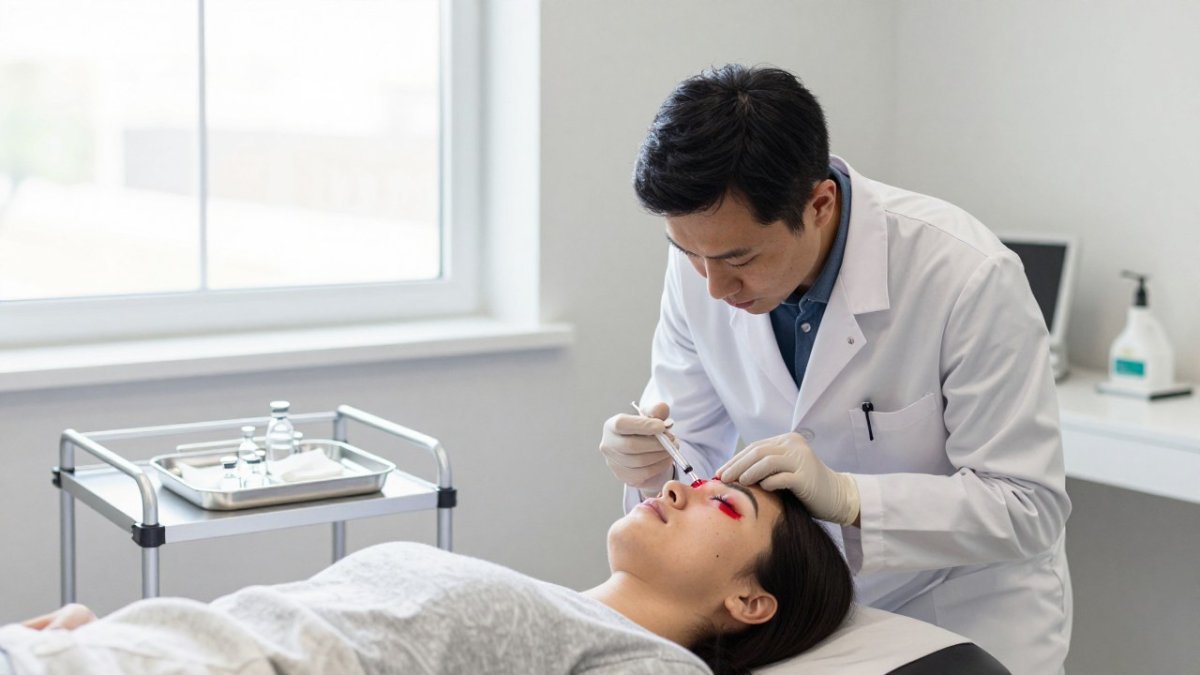
PRP is made from your own blood, which is why it is often described as a biological treatment. A small sample is drawn and placed in a centrifuge, which separates the plasma from the other blood components. The plasma is then concentrated, rich in platelets and the growth factors they release.
Your clinician will explain the exact preparation method used in their practice.
What happens during a session
A session usually begins with a blood draw, followed by preparation of the concentrate while you wait. The clinician then applies a topical numbing agent to the under eye area to improve comfort. The PRP is introduced into the skin using fine injections or microneedling, depending on the treatment plan.
Your clinician will confirm the details for your own case during your consultation.
How Long PRP Under Eye Results Last
PRP under eye results are not permanent, and no single number applies to everyone. The honest answer is a range, and it helps to separate two things people often conflate: how long the initial improvement lasts before it begins to fade, and how long you can keep a maintained result with follow-up sessions.
The range you will encounter, reconciled
Published and clinic-reported estimates for PRP under eye longevity vary widely. Published estimates for how long PRP under-eye results last vary, and the figures are not standardized. They generally describe different things:
- Initial result before fading: the improvement tends to fade gradually over time rather than abruptly.
- Maintained result with follow-up: periodic follow-up sessions can help extend visible benefit beyond a single course.
- Peak versus duration: visible change often develops over weeks after a session, so the timing of results is best discussed with a clinician.
Anyone quoting a fixed number for how long results last is describing an average or a best case, not a guarantee.
Why estimates differ so much
Duration figures are difficult to compare because the underlying evidence is not standardized:
- Measurement method: some outcomes are judged by the patient, others by a clinician, and others by before-and-after photographs. These do not always agree.
- Treatment protocol: the concentration of platelets, the number of sessions, and whether PRP is delivered by injection, microneedling, or both all affect the result.
- Study populations: small studies with different age groups, skin types, and underlying causes of under-eye concerns cannot be pooled into one number.
- Cause of the concern: PRP supports skin quality; it does not replace lost volume or remove pigment. Results last differently depending on what is being treated.
PRP is generally described as producing gradual improvement rather than dramatic change.
What this means for planning
Treat any duration figure as a planning range, not a promise. Ask your clinician what they typically see in patients with skin and concerns similar to yours, and ask whether their estimate refers to the initial result or a maintained one. When discussing expected duration, it is reasonable to ask a clinician to explain their reasoning, including maintenance and the cause of your under-eye concern. Understanding the specific techniques employed by practitioners at SKYN Aesthetics & Wellness provides a clearer perspective on how individual treatment protocols influence the longevity of your under-eye rejuvenation.
PRP Under Eye Results Timeline
PRP does not produce an overnight change. Results generally develop gradually, and the timeline below is a planning guide, not a schedule that applies to everyone.
A realistic milestone map
- Day of treatment: mild redness, swelling, or tenderness can occur and usually settles within a few days.
- First one to two weeks: early changes, if any, may be subtle.
- Over the following weeks to months: visible changes in skin texture and brightness may develop gradually; individual timing varies.
- Beyond the peak: results can gradually fade over time, which is why follow-up is discussed with your clinician.
How session spacing fits the timeline
Treatment plans often involve a short course of sessions followed by a review; your clinician will set the interval for your case. Your clinician will set the interval based on your skin response and the protocol used in their practice.
When to consider maintenance
Maintenance is usually discussed once results begin to fade, not on a fixed calendar. A practical pattern is to review at follow-up appointments and schedule a repeat session when you and your clinician agree the improvement has softened. How often maintenance is needed varies, and your clinician can advise based on your concern.
Your own timeline is best reviewed at a follow-up appointment rather than assumed in advance.
How Many PRP Treatments for Under Eyes Are Typically Needed
Plans may involve a series of sessions rather than a single appointment, with maintenance sessions as needed. The exact number depends on your concerns, your skin response, and your clinician’s recommendation.
Maintenance is discussed once results begin to fade, based on your clinician’s recommendation.
PRP Under Eye Recovery Time and Side Effects
Mild redness, swelling, or tenderness can occur after a session. Your clinician can advise on what to expect for your own treatment.
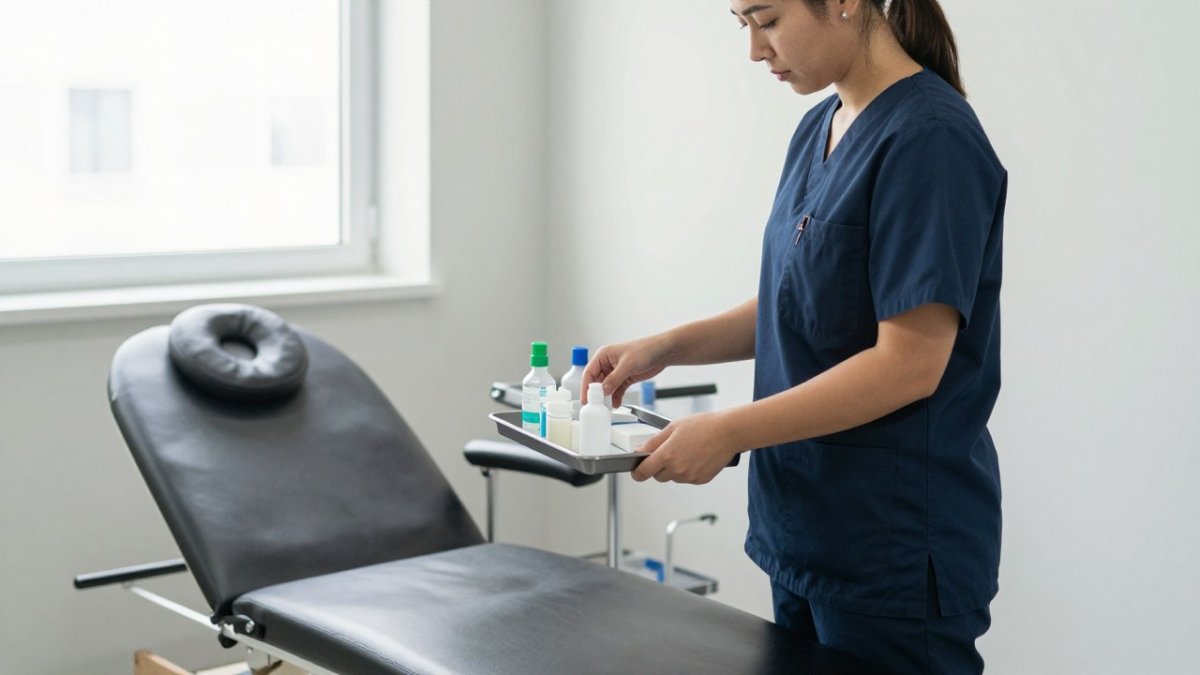
Contact your clinician promptly if you develop unusual pain, spreading redness, warmth, or signs of infection. Your provider will give you specific aftercare instructions to follow.
PRP vs Filler Under Eyes: Which Concerns Each Can Address
PRP and dermal fillers address different concerns, so they are not interchangeable. PRP is generally discussed for skin quality and texture, while fillers are generally discussed for restoring volume.
| Concern | PRP | Dermal Filler |
|---|---|---|
| Skin texture and dullness | Often considered | Not the main option |
| Fine lines | Mild lines may improve | May help in some cases |
| Under-eye hollows | Limited volume effect | Often considered |
| Typical downtime | Usually short | Usually short |
Your clinician can help determine whether PRP, filler, or a combination is the right choice for your concerns.
Booking a Consultation to Plan Your Under Eye Treatment
A consultation is the best way to understand whether PRP under eye treatment suits your goals. Our checklist for preparing for your initial aesthetic consultation explains how to get ready and communicate your goals clearly. Consultations at Balwin Aesthetics are led by a physician who reviews your skin and discusses your goals. You can book a consultation to explore PRP for under eye circles and see whether it fits your needs.
Before your appointment, it helps to know how to prepare and what to discuss. Our guide on how to prepare for PRP treatment safely covers medication, skincare, and questions to raise with your provider. If you are also comparing options, a guide to under eye fillers can help you weigh the alternatives. Many people also wonder about discomfort, and our article on what PRP treatment really feels like explains what to expect.
Book your appointment now to discuss your under eye goals with a qualified clinician.
Frequently Asked Questions
How long do PRP under-eye results last?
There is no fixed duration for results, and individual outcomes depend on age, skin quality, the underlying concern, and how the skin ages afterward. Some people notice gradual improvement that fades over time, which is why maintenance is discussed during a consultation. A physician can give a realistic expectation based on your skin and goals.
How many PRP treatments are needed under the eyes?
Treatment plans may involve a short series of sessions, followed by occasional maintenance treatments. The exact number depends on the concern being treated and how your skin responds. Some people need fewer sessions while others benefit from a longer course. Your physician will recommend a plan during your assessment rather than promising a fixed number.
Is PRP under the eyes better than filler?
PRP and dermal filler address different concerns, so neither is universally better. PRP is generally discussed for skin texture and dullness. Filler adds volume and is typically chosen for hollows. Your physician can explain which approach, or combination, suits your under-eye concerns.
When will I see results from PRP under-eye injections?
Improvement timing varies between individuals. A follow-up assessment with your clinician can help track progress. Results vary, so a follow-up assessment helps track progress realistically.

