
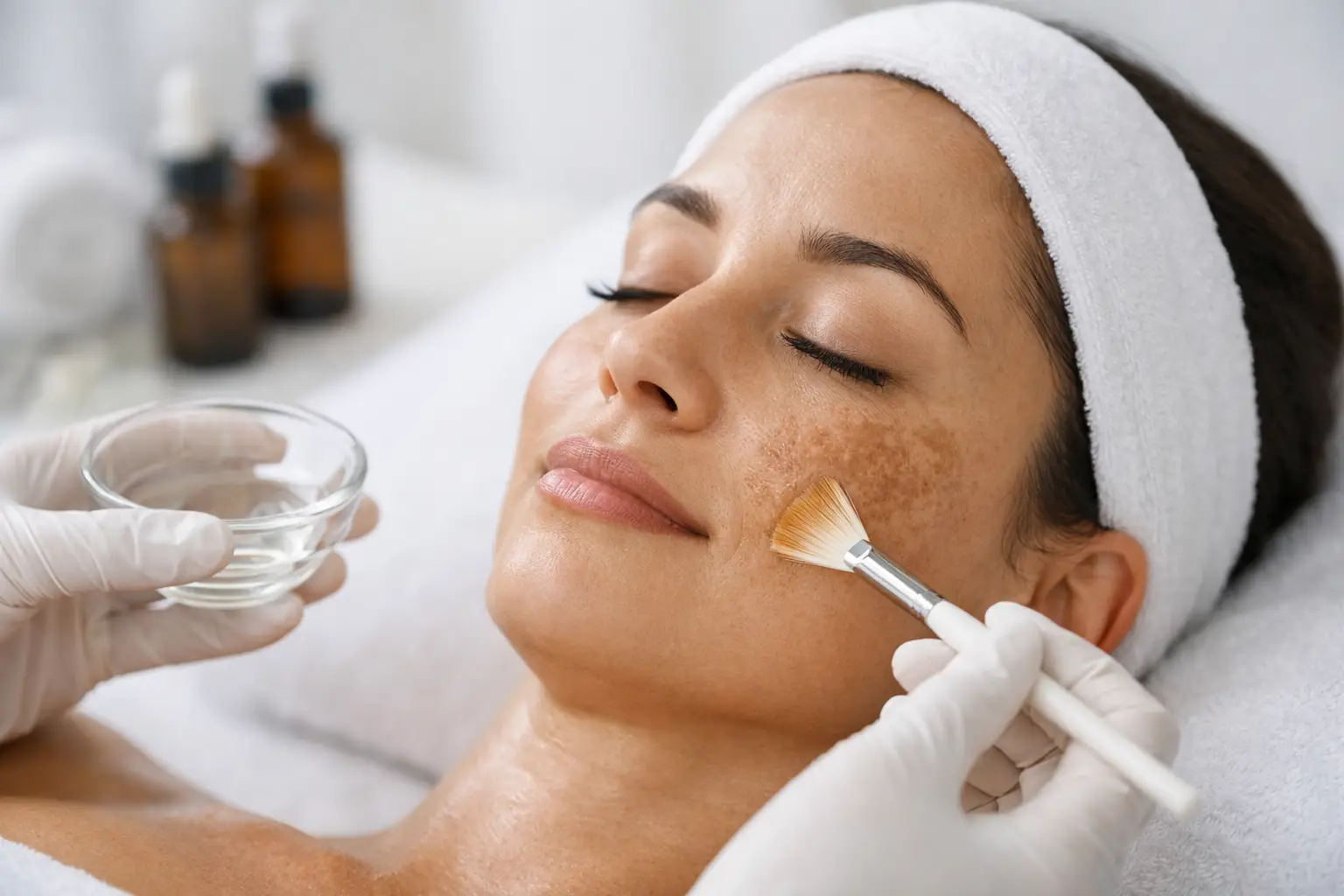
Dark spots that linger after a breakout, sun-related patches across the cheeks, and uneven tone that makes skin look tired can be frustrating because they often remain long after the original trigger has passed. Understanding how chemical peels reduce discoloration helps clarify why this treatment can be an effective option for improving skin clarity without surgery or extensive downtime.
A chemical peel uses a carefully selected solution to exfoliate the skin at a controlled depth. As older, damaged cells shed and the skin renews itself, areas of excess pigment can become less visible. The goal is not to change your natural skin tone. It is to create a more even, refined-looking complexion while protecting the health and integrity of your skin.
How Chemical Peels Reduce Discoloration
Discoloration occurs when melanin, the pigment that gives skin its color, is produced unevenly or becomes concentrated in certain areas. Sun exposure, acne inflammation, hormonal shifts, aging, injury, and some skincare products can all contribute to this process. Common concerns include sun spots, post-acne marks, melasma, and patchy uneven tone.
Chemical peels work primarily by encouraging the removal of skin cells that contain excess surface pigment. Depending on the formulation and depth, a peel may also stimulate cellular turnover and support the development of fresher, more evenly pigmented skin over time. This is why the improvement is often gradual rather than immediate.
A peel does not simply “bleach” dark spots. Instead, it creates a controlled exfoliation process. When performed appropriately, this process helps reveal newer skin with a smoother texture and more consistent appearance. Repeated treatments may be recommended for more established discoloration, particularly when pigment is linked to ongoing sun exposure or acne.
The Depth of the Peel Matters
Not every peel is designed to treat discoloration in the same way. The right choice depends on the cause and location of pigment, your skin type, your current skincare routine, and how much downtime you can accommodate.
Superficial peels
Superficial peels work in the outermost layer of the skin. They may use ingredients such as glycolic acid, lactic acid, salicylic acid, or mandelic acid. These treatments are often selected for mild uneven tone, early sun damage, dullness, and post-acne discoloration.
Because they are relatively gentle, superficial peels usually involve little to no social downtime. You may experience temporary dryness, tightness, redness, or light flaking. A series of treatments can create meaningful improvement while allowing results to build gradually and naturally.
Medium-depth peels
Medium-depth peels reach further into the skin and may be considered for more noticeable pigment changes, fine lines, or textural concerns. They can produce more visible peeling and require a longer recovery period. Not every patient is a candidate for this approach, especially if there is a heightened risk of post-inflammatory hyperpigmentation.
A physician-led assessment is valuable because deeper is not always better. The most effective peel is the one that addresses your concern while respecting your skin’s tolerance and healing response.
Which Types of Discoloration Can Improve?
Chemical peels can be particularly helpful for certain forms of discoloration, but outcomes depend on the underlying cause.
Post-inflammatory hyperpigmentation, the flat brown or gray marks left after acne or irritation, may respond well to a customized series of superficial peels. By improving cell turnover and managing active breakouts, treatment can help reduce the contrast between these marks and the surrounding skin.
Sun spots and diffuse sun damage can also improve, especially when peels are paired with consistent daily sun protection. However, new ultraviolet exposure can trigger pigment production again. A peel can address existing visible damage, but sunscreen and protective habits help preserve the result.
Melasma requires more caution. This condition is often influenced by hormones, heat, and light exposure, and it can recur even after successful treatment. For some patients, gentle peels may be part of a broader plan that includes medical-grade skincare and strict sun protection. Aggressive treatment can sometimes worsen melasma, so personalization is essential.
Why Skin Tone and Sensitivity Need Careful Consideration
Any treatment that creates inflammation has the potential to trigger pigment changes in susceptible skin. This is particularly relevant for patients with medium to deep skin tones, a history of dark marks after blemishes, melasma, eczema, or sensitive skin.
That does not mean chemical peels are off-limits. It means the formulation, concentration, treatment interval, and home care must be selected thoughtfully. A conservative approach may deliver better long-term results than a strong peel performed too soon or too frequently.
Before treatment, your provider may recommend preparing the skin with a tailored skincare regimen. This can help support the skin barrier, reduce irritation, and improve treatment tolerance. You should also disclose any history of cold sores, keloid scarring, recent tanning, pregnancy or breastfeeding, medications, and use of retinoids or exfoliating products. These details influence what can be done safely.
What Results and Recovery Typically Look Like
After a superficial peel, skin may look slightly pink or feel dry for a few days. Some people experience fine flaking rather than dramatic visible peeling. Resist the urge to pick or manually exfoliate. Pulling at shedding skin can cause irritation and may increase the risk of uneven pigment.
Results typically develop as the skin completes its renewal cycle. Many patients notice a brighter appearance and smoother texture first, followed by gradual improvement in the look of dark spots over several treatments. Deeper discoloration may require a combination approach, such as targeted skincare, microneedling, or laser-based pigment treatment, depending on the diagnosis.
It is also realistic to expect maintenance. Pigment concerns are often influenced by factors that continue after treatment, including sunlight, hormones, acne, and inflammation. Your provider can recommend a schedule that supports improvement without over-treating the skin.
Aftercare Protects Your Results
Aftercare is not an optional extra. It directly affects healing, comfort, and the quality of your result. For the first several days, use a gentle cleanser, a bland moisturizer, and broad-spectrum sunscreen. Avoid scrubs, exfoliating acids, retinoids, hot yoga, steam rooms, and other products or activities that may irritate the skin until your provider advises otherwise.
Daily sunscreen is especially important for anyone treating discoloration. Freshly exfoliated skin can be more vulnerable to ultraviolet exposure, and even brief unprotected exposure can contribute to the return of visible pigment. Wearing sunscreen consistently, along with hats and shade when practical, helps protect the investment you make in treatment.
When a Chemical Peel May Not Be the Best First Step
Chemical peels are highly versatile, but they are not the correct answer for every dark spot. A spot that is new, changing, raised, irregular, bleeding, or otherwise concerning should be medically evaluated before cosmetic treatment. Chemical peels should not be used to treat an undiagnosed lesion.
Patients with active skin infections, open wounds, severe dermatitis, or significant irritation may need to postpone treatment. Likewise, if discoloration sits deeper in the skin or is related to visible blood vessels rather than pigment, a different modality may produce a better result. A consultation helps distinguish between conditions that can look similar in the mirror but require different care.
At Balwin Aesthetics, chemical peel recommendations are based on your skin concerns, tone, sensitivity, lifestyle, and desired downtime. Physician-supervised care allows your treatment plan to evolve as your skin responds, with a focus on refined, natural-looking improvement rather than a one-size-fits-all approach.
Clearer, more even-looking skin rarely comes from one aggressive treatment. It comes from choosing the right level of exfoliation, protecting the skin as it heals, and giving your complexion the consistent care it needs to maintain its progress.
