
Last Updated: November 22, 2026
Quick Summary
XERF treatment is a non-invasive radiofrequency skin tightening procedure that heats the deeper layers of the skin to stimulate collagen and improve firmness, with no cutting and no needles used for the tightening itself. At Balwin Aesthetics, XERF is offered as part of a physician-guided plan for mild to moderate facial and neck laxity.
- XERF suits early to moderate laxity, not significant sagging or excess skin.
- Results are gradual and moderate, developing over 2 to 3 months as collagen rebuilds.
- Downtime is minimal to none, with possible temporary redness or warmth.
- Pregnancy, pacemakers, and active infection in the treatment area are absolute contraindications.
- Maintenance sessions spaced per your clinician’s plan help sustain firmness over time.
Table of Contents
- What Is XERF Treatment?
- What to Expect During a XERF Consultation
- XERF Treatment Results: What Lifting and Firmness You Can Realistically Expect
- XERF Treatment Downtime and Recovery
- XERF vs Radiofrequency Skin Tightening: How It Compares
- Comfort, Safety, and Who Is a Good Candidate
- Maintaining Your Results Over Time
- Booking Your XERF Consultation at Balwin Aesthetics
- Frequently Asked Questions
What Is XERF Treatment?
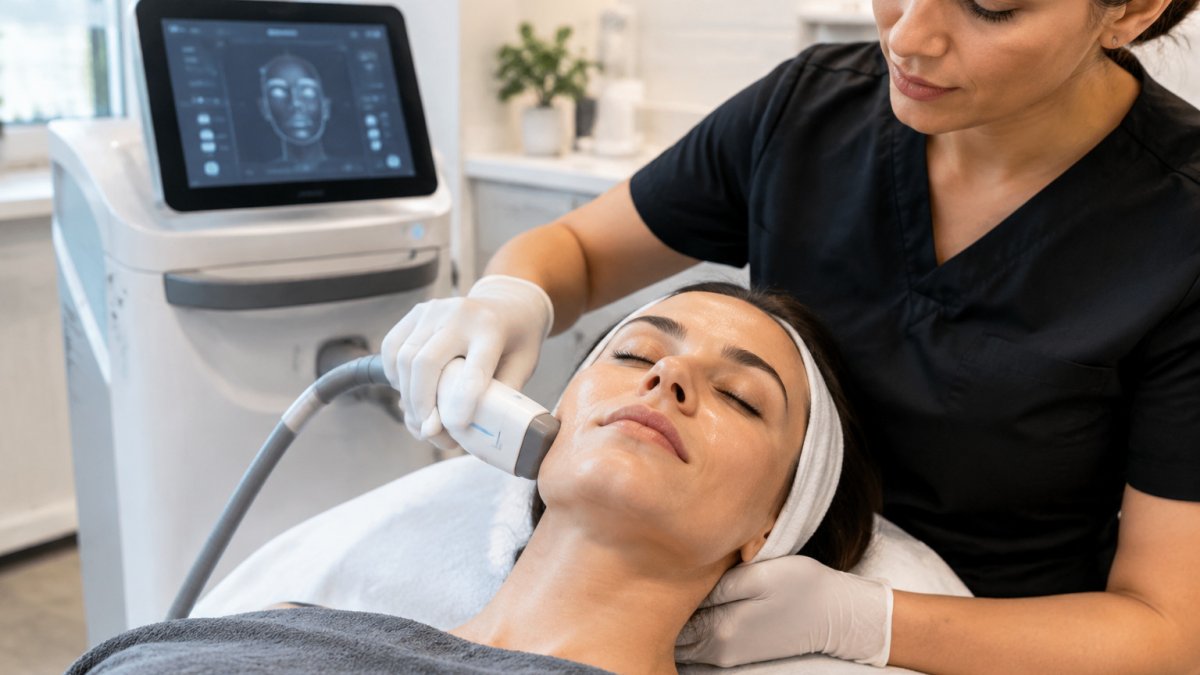
XERF treatment is a non-invasive radiofrequency skin tightening procedure that delivers controlled heat into the deeper layers of the skin to stimulate collagen and improve firmness. At Balwin Aesthetics, XERF is offered as part of a physician-guided plan.
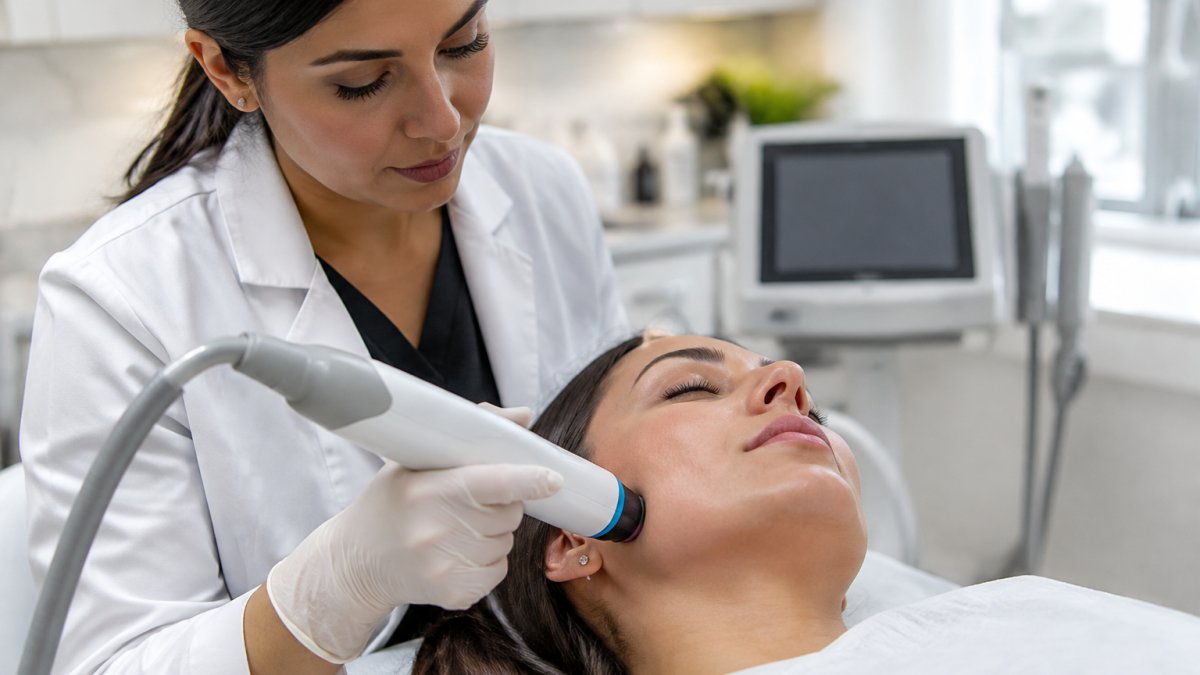
The appeal is straightforward. There is no cutting, and no needles are used for the tightening itself. Energy is delivered through a handpiece that warms tissue below the surface while the skin’s surface stays protected. That heat prompts the body to produce new collagen over the following weeks and months, which is what produces the gradual firming most patients are looking for.
How Radiofrequency Delivers Structural Skin Tightening
Radiofrequency, or RF, works by passing energy through the skin to heat the dermis, the layer where collagen and elastin sit. Collagen fibers contract when heated, which gives an immediate sense of tightening, and the controlled injury signals the body to rebuild collagen over time. That second phase is where the real structural change happens.
Results depend on how the energy is delivered, which is one reason physician oversight matters for any energy-based treatment. If you want to see how this fits alongside other non-surgical options, our overview of what works for skin tightening without surgery explains the alternatives.
What Areas Can XERF Treat?
The face and neck are the most common treatment areas. In practice, we focus on:
- Jawline and jowls, where early laxity shows first
- Under-chin skin, for mild submental looseness
- Lower face and cheeks, for overall firmness
- Neck, for crepey texture and horizontal lines
XERF is not a replacement for surgery. It suits people with early to moderate changes, not significant sagging or excess skin. A consultation is the only reliable way to know which category you fall into.
What to Expect During a XERF Consultation
A XERF consultation is a medical assessment, not a sales pitch. It starts with a conversation about your goals, your health history, and what you have tried before. We ask about medications, prior treatments, skin conditions, and any history of cold sores or keloid scarring, because these change what is safe to do.
A skin analysis follows. Some clinics use imaging tools to map texture, pigment, and laxity; others rely on a hands-on assessment. Either way, the clinician should examine your skin directly and explain what they see. You should leave knowing:
- Whether XERF is appropriate for your skin and goals
- How many sessions are typically needed
- What results are realistic for your degree of laxity
- What the alternatives are, including doing nothing
- What the total plan involves, in terms of time and commitment
If you are unsure what a proper assessment includes, our guide to what a physician led aesthetics consultation covers walks through the process step by step. Watch out: a consultation that skips your medical history or promises a specific number of centimeters of lift is a red flag.
XERF Treatment Results: What Lifting and Firmness You Can Realistically Expect
XERF treatment results are gradual and moderate, not dramatic. Some people notice firmer skin over the weeks following treatment as new collagen builds. Results vary, and XERF is not a surgical facelift.
Honesty matters here. Results vary between individuals. If your laxity is advanced, a clinician can advise whether a non-surgical approach is likely to meet your goals.
When You Will See Visible Results
Some people notice a subtle tightening shortly after a session. Collagen remodeling takes weeks, and your clinician can advise on when to assess progress and how sessions should be spaced.
XERF Treatment Downtime and Recovery
Some people experience temporary redness or warmth in the treated area after a session. Your clinician will advise what to expect for your treatment.
Aftercare is simple: gentle skincare, sun protection, and avoiding harsh actives for a short period. Your clinician will give specific instructions. If you have a low pain threshold, ask about comfort measures beforehand; most people describe the sensation as warm rather than painful, but tolerance varies.
XERF vs Radiofrequency Skin Tightening: How It Compares
XERF is a type of radiofrequency skin tightening. Radiofrequency devices share the same core mechanism, heating the dermis to contract collagen and trigger new collagen production, but they differ in energy delivery, depth, cooling, and the skill of the operator. Those differences matter more than brand names.
| Treatment | Mechanism | Best For | Downtime | Results Timeline |
|---|---|---|---|---|
| XERF | Monopolar or bipolar RF (device-dependent) | Mild to moderate facial and neck laxity | Minimal to none | Gradual over 2-3 months |
| Other RF devices | Monopolar, bipolar, or multipolar RF | Similar laxity, varies by device and settings | Minimal to moderate | Gradual over weeks to months |
| Fractional RF | RF delivered through microneedles | Texture, pores, acne scarring, mild laxity | 1-3 days of redness | Weeks to months |
| HIFU (ultrasound) | Focused ultrasound at deeper planes | Mild to moderate laxity, brow and jawline | Minimal | 2-3 months |
| Injectables | Volume replacement or muscle relaxation | Volume loss, dynamic lines | Minimal | Days to weeks |
| Surgical lift | Excision and tissue repositioning | Significant sagging, excess skin | Weeks | Immediate, then settles |
How XERF Compares to Surgery and Injectables
Surgery is generally the option considered for significant laxity. Injectables address volume loss and lines, not looseness, so they solve a different problem. XERF sits in the middle: more structural than injectables for firmness, far less involved than surgery. For many patients, a combination approach works best, for example, fillers to restore volume alongside RF to firm skin, and a physician can map that out.
How XERF Compares to Other RF and Ultrasound Options
The right choice among radiofrequency and other options depends on your laxity pattern, skin thickness, and tolerance for downtime, and a clinician can advise on which approach suits you.
For a broader view of how these options fit together, our overview of what works for skin tightening without surgery explains the alternatives.
Comfort, Safety, and Who Is a Good Candidate
Sensation during treatment varies by person and by area, and your clinician can explain what to expect for your treatment. If you have a low pain threshold, ask about comfort measures beforehand; a clinician can adjust energy settings rather than push through discomfort.
Safety depends far more on screening and technique than on the device itself. A qualified provider should take a full medical history before any energy-based treatment, and the assessment should separate absolute contraindications from relative ones.
Absolute contraindications typically include:
- Pregnancy or breastfeeding
- Active infection, open wounds, or broken skin in the treatment area
- Known skin cancer or suspicious lesions in the treatment area
- Implanted electronic devices such as pacemakers or defibrillators
- Severe clotting disorders or current use of blood thinners where bleeding risk is a concern
Relative contraindications, situations that require caution, altered settings, or a delay rather than automatic exclusion, commonly include:
- A history of keloid scarring or hypertrophic scars
- Active acne or rosacea flare in the treatment area
- Recent isotretinoin use (many clinicians ask patients to wait several months)
- Metal implants, permanent fillers, or other devices in the treatment area
- Significant sun exposure or recent chemical peels and laser treatments
- A history of cold sores, which may need antiviral prophylaxis if the treatment area overlaps
Good candidates are adults with mild to moderate laxity, realistic expectations, and healthy, intact skin. Poor candidates include people with significant sagging or excess skin, who are better served by a surgical opinion, and anyone whose medical history raises the risks above.
Watch out: a consultation that skips your medical history, does not examine your skin directly, or promises a specific number of centimeters of lift is a red flag. As with any energy-based treatment, appropriate screening and qualified providers are important, and you should discuss risks and expected outcomes at your consultation.
If you want to understand why physician oversight changes the safety picture, our explanation of physician led aesthetic clinic benefits covers how medical supervision supports safer decisions and more natural-looking outcomes.
Maintaining Your Results Over Time
Collagen continues to remodel for months, but aging does not stop. Maintenance sessions, typically spaced according to your clinician’s plan, help sustain firmness. Sun protection and a consistent skincare routine support the collagen you have. Results are not permanent, because skin continues to age.
For a broader view of upkeep options, our skin rejuvenation guide covers complementary treatments that support long-term skin quality.
Booking Your XERF Consultation at Balwin Aesthetics
The right next step is a conversation, not a purchase. At Balwin Aesthetics, our physician-led team assesses your skin, explains whether XERF suits your goals, and builds a plan around your schedule and comfort. We offer XERF alongside skin tightening, pigment laser, and other non-surgical treatments. If you are ready to see what is realistic for your skin, our aesthetic care guide explains what to expect and how to prepare.
Skin laxity rarely improves on its own, and guessing at treatments wastes both time and money. Balwin Aesthetics offers physician-guided XERF treatment with a personalized plan, honest expectations, and care led by board-certified physician Dr. Sameer Sardesai. Get started with Balwin Aesthetics and book a consultation to find out what your skin actually needs.
Frequently Asked Questions
How many XERF treatment sessions are needed?
Most people need a series of sessions rather than a single appointment, and the exact number depends on your skin laxity, the treatment area, and your goals. A clinician will recommend a plan and reassess as treatment progresses. Your consultation is where a personalized plan is set.
Is XERF painful, and what does the treatment feel like?
XERF is a non-invasive treatment, and the sensation varies from person to person. Discomfort varies by area and by individual sensitivity. A clinician can adjust settings and talk you through what to expect. If comfort is a concern, ask about it during your consultation so the team can plan accordingly. Any soreness afterward is usually mild and short-lived.
How long do XERF treatment results last?
Results from collagen stimulation are not permanent, because skin continues to age. Your clinician can recommend a maintenance schedule that fits your skin and lifestyle. Sun exposure, smoking, and natural aging all affect how long results hold. A realistic maintenance plan is best discussed with your clinician, who can track your skin appearance over time and recommend a schedule that fits your budget and goals.
Who should avoid XERF treatment?
XERF is not right for everyone. A medical screening at consultation reviews your health history, medications, and skin condition. People who are pregnant, have certain implanted devices, or have active skin infections in the treatment area are typically advised to wait or choose another option. Being upfront about your history helps the clinician keep the treatment safe. Only a qualified professional can confirm whether XERF suits you.

