
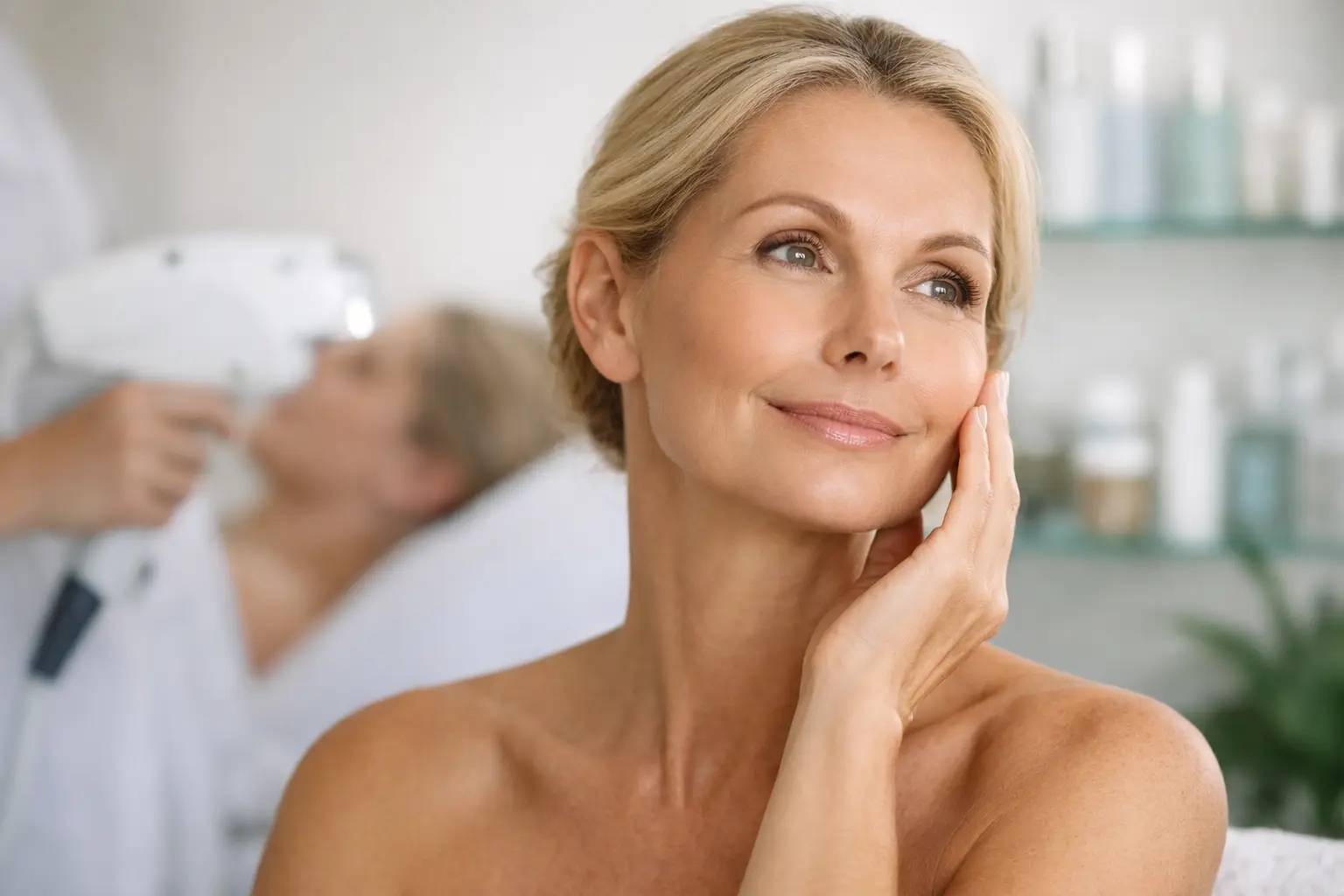
A jawline that looks less defined in photos, crepey skin around the eyes, or makeup settling into fine lines can make skin changes feel suddenly noticeable. Skin tightening without surgery is a practical option for people who want a fresher, more supported appearance but are not ready for surgical lifting, scars, or a lengthy recovery. The right approach should improve skin quality and encourage collagen gradually, not leave you looking overtreated.
At a physician-led aesthetic clinic, the conversation starts with what is actually causing the concern. Mild skin laxity, volume loss, sun damage, dehydration, and repetitive facial movement can all create a “looser” appearance, but they do not respond to the same treatment. A personalized assessment helps set realistic expectations and identify the treatments most likely to create refined, natural-looking improvement.
What Skin Tightening Without Surgery Can Realistically Do
Non-surgical treatments can improve the quality, texture, and firmness of skin. They are particularly well suited to early or moderate laxity, fine lines, enlarged pores, acne scarring, and dull or uneven texture. Many work by creating controlled stimulation within the skin, prompting the body to produce collagen and elastin over time.
The result is usually gradual. Some patients notice an early improvement in skin glow or smoothness, while firmer-looking skin develops over several weeks to months as collagen remodeling takes place. This measured change is one reason many patients prefer non-surgical care: friends may notice that you look rested or refreshed without being able to identify a single dramatic change.
There are limits. If there is substantial sagging in the lower face, deep jowling, or a significant amount of excess skin, surgery may produce a more dramatic lift than a device or injectable treatment can provide. Non-surgical options can still support skin quality and help maintain results, but an ethical consultation should clearly distinguish improvement from replacement of a facelift or eyelid surgery.
The Best Treatment Depends on Why Skin Looks Loose
A thoughtful treatment plan does not rely on one device or one injectable for every concern. The face changes in layers, and the most effective plan addresses the layer responsible for the visible change.
Collagen-Stimulating Treatments for Texture and Firmness
Microneedling is often selected for patients who want to improve texture, fine lines, acne scars, and early skin laxity. The treatment creates precise microchannels in the skin, initiating a repair response that supports new collagen production. It can be a strong choice for areas where skin quality is the main concern, including the cheeks, lower face, neck, and décolletage.
Microneedling with platelet-rich plasma, commonly called PRP, may be recommended when a patient wants to combine collagen stimulation with the growth factors found in their own blood. PRP is prepared from a small blood sample and applied or introduced during treatment based on the clinical plan. It is often chosen for facial rejuvenation and may also be part of a strategy for hair restoration.
These treatments are not instant tightening procedures. A series of sessions is commonly recommended, and the degree of improvement depends on age, sun exposure, skin health, and the starting level of laxity. Temporary redness is expected after microneedling, but downtime is generally manageable for many working patients.
Laser Treatments for Skin Renewal
Laser treatments can improve the signs that make skin appear older or less firm, such as uneven pigment, redness, sun damage, and surface texture. When skin tone is clearer and texture is smoother, the overall complexion can look more youthful even when laxity itself is mild.
The ideal laser treatment depends on the concern, skin type, and desired recovery time. Some approaches focus on pigmentation or vascular redness, while others prioritize collagen stimulation and resurfacing. This distinction matters because the safest and most effective laser settings are not universal. Treatment should be selected after a proper skin assessment, particularly for patients with a history of pigmentation changes or sensitive skin.
Injectables That Restore Support, Not Just Volume
Sometimes the concern described as loose skin is actually volume loss. As facial fat and structural support change over time, the cheeks can flatten, shadows can deepen around the mouth, and the jawline may appear less crisp. Carefully placed dermal filler can restore support in selected areas and create a more balanced contour.
The goal is not to add volume everywhere. Strategic filler should respect facial proportions and preserve natural movement. In the right patient, subtle support through the cheeks, chin, or jawline can improve the appearance of lower-face laxity without making the face look puffy.
Neuromodulators such as Botox address a different issue: lines formed by repeated muscle movement. They can soften expression lines in areas such as the forehead, between the brows, and around the eyes. Botox does not tighten loose skin, but reducing strong muscle activity can complement a broader rejuvenation plan and create a smoother overall result.
Chemical Peels for a Brighter, Smoother Surface
A chemical peel does not lift sagging skin, but it can be valuable when rough texture, fine lines, acne, or discoloration are contributing to an aged appearance. By encouraging controlled exfoliation and skin renewal, peels can make the complexion look clearer and more even.
The depth and formula should be matched to your skin concerns, tolerance for downtime, and skin type. A superficial peel may offer a quick refresh with minimal peeling, while stronger options require more planning and aftercare. The best choice is based on safety and expected benefit, not simply on choosing the strongest treatment available.
Why Combination Plans Often Create Better Results
Skin aging is rarely caused by one factor. A patient may have mild cheek volume loss, uneven pigment, and fine crepey lines around the eyes at the same time. Treating only one issue can help, but it may not deliver the balanced result the patient wants.
A staged plan can combine treatments thoughtfully. For example, dermal filler may restore structural support first, followed by microneedling or laser treatments to improve texture and collagen over time. Botox may be added for expression lines, while a tailored skincare routine and sun protection help protect the investment.
Spacing treatments correctly is part of safe care. Some procedures should not be performed too close together, and healing time matters. A physician-supervised plan considers your medical history, current medications, previous treatments, and schedule before recommending a sequence.
Safety Matters as Much as the Treatment Itself
Non-surgical does not mean risk-free. Injectables, lasers, chemical peels, and microneedling all require appropriate technique, patient selection, and aftercare. The provider should assess skin quality, facial anatomy, history of cold sores, tendency toward hyperpigmentation, active acne or skin infection, and any medications that may affect healing.
For injectables, knowledge of facial anatomy is especially important. For energy-based and resurfacing treatments, skin type and treatment settings can significantly affect both outcome and safety. A consultation should include a candid conversation about potential side effects, expected downtime, and what to do if concerns arise after treatment.
At Balwin Aesthetics, physician-led care is designed to give patients clear recommendations rather than a one-size-fits-all menu. The focus is on treatments that fit your anatomy, goals, and comfort level, with natural beauty and long-term skin health kept at the center of the plan.
How to Prepare for a Consultation
Bring clear goals, but remain open to a clinical recommendation. It can help to identify what you notice most: skin texture, lower-face definition, under-eye crepiness, pigmentation, or lines that appear when you smile. If you have photos from several years ago, they may also help show whether the primary change is skin laxity, volume loss, or both.
Ask how many sessions are likely needed, when you can expect to see change, how long results may last, and what maintenance might involve. You should also ask whether the recommended treatment addresses the source of your concern or simply improves its appearance temporarily. A high-quality plan is transparent about both the benefits and the limitations.
The most satisfying results from non-surgical rejuvenation are often understated. When treatments are selected carefully and performed with an understanding of facial balance, skin can look smoother, firmer, and more rested while still looking unmistakably like you.
