
Persistent facial redness can make skin appear irritated even when it feels comfortable. For people with rosacea, broken capillaries, flushing, or redness left behind after acne, concealer may soften the look temporarily but does not address the source. Understanding how laser treatments reduce redness can help you decide whether a physician-supervised treatment plan may be right for your skin.
How laser treatments reduce redness in the skin
Redness is often caused by small, dilated blood vessels close to the surface of the skin. These vessels can become more visible due to genetics, rosacea, sun exposure, aging, inflammation, temperature changes, or previous skin injury. In some cases, redness is accompanied by visible spider veins or a diffuse pink tone across the cheeks, nose, chin, or chest.
Laser and light-based treatments use carefully selected wavelengths of energy that are absorbed by hemoglobin, the pigment in red blood cells. The energy gently heats targeted vessels while leaving the surrounding skin as protected as possible. The body then gradually clears the treated vessels, reducing their visibility over time.
This targeted approach is why laser treatment can improve redness without surgery or significant downtime. However, the best device and settings depend on the cause of redness, the depth and size of the vessels, your skin tone, and the sensitivity of your skin. A treatment that is appropriate for isolated facial capillaries may not be the best choice for active rosacea or redness linked to an impaired skin barrier.
What concerns can laser treatment improve?
Laser therapy is commonly used for visible vascular concerns, including broken capillaries around the nose and cheeks, diffuse facial redness, flushing, cherry angiomas, and certain red marks that remain after blemishes heal. It may also be used for redness on the neck, chest, or other areas when clinically appropriate.
For patients with rosacea, laser treatment can help reduce visible vessels and background redness. It does not cure rosacea, which is a chronic inflammatory condition. Many patients get the best outcome by combining professionally selected laser sessions with a gentle skin care routine and medical management of triggers or flare-ups when needed.
Red marks after acne are another common concern. These marks are often vascular rather than pigmented, meaning they respond differently from brown spots or melasma. A consultation is essential because a treatment plan for post-acne redness should account for active acne, sensitivity, scarring, and the risk of post-inflammatory hyperpigmentation.
Laser treatment is not one-size-fits-all
The term “laser treatment” covers several technologies. Some devices are designed to target individual small vessels with precision, while others treat broader areas of diffuse redness. Intense pulsed light, often called IPL, is not technically a laser but can also be effective for selected vascular and pigment concerns.
A qualified provider will evaluate whether redness is truly vascular. Conditions such as dermatitis, allergic reactions, acne inflammation, melasma, or irritation from skin care products can look similar but require a different approach. Treating the wrong concern with the wrong device can lead to disappointing results or unnecessary irritation.
What happens during a redness laser appointment?
Treatment begins with a detailed assessment of your skin, medical history, medications, and treatment goals. Your provider may ask about rosacea symptoms, recent sun exposure, tendency to scar, cold sore history, and use of retinoids or photosensitizing medications. These details help guide safe settings and realistic expectations.
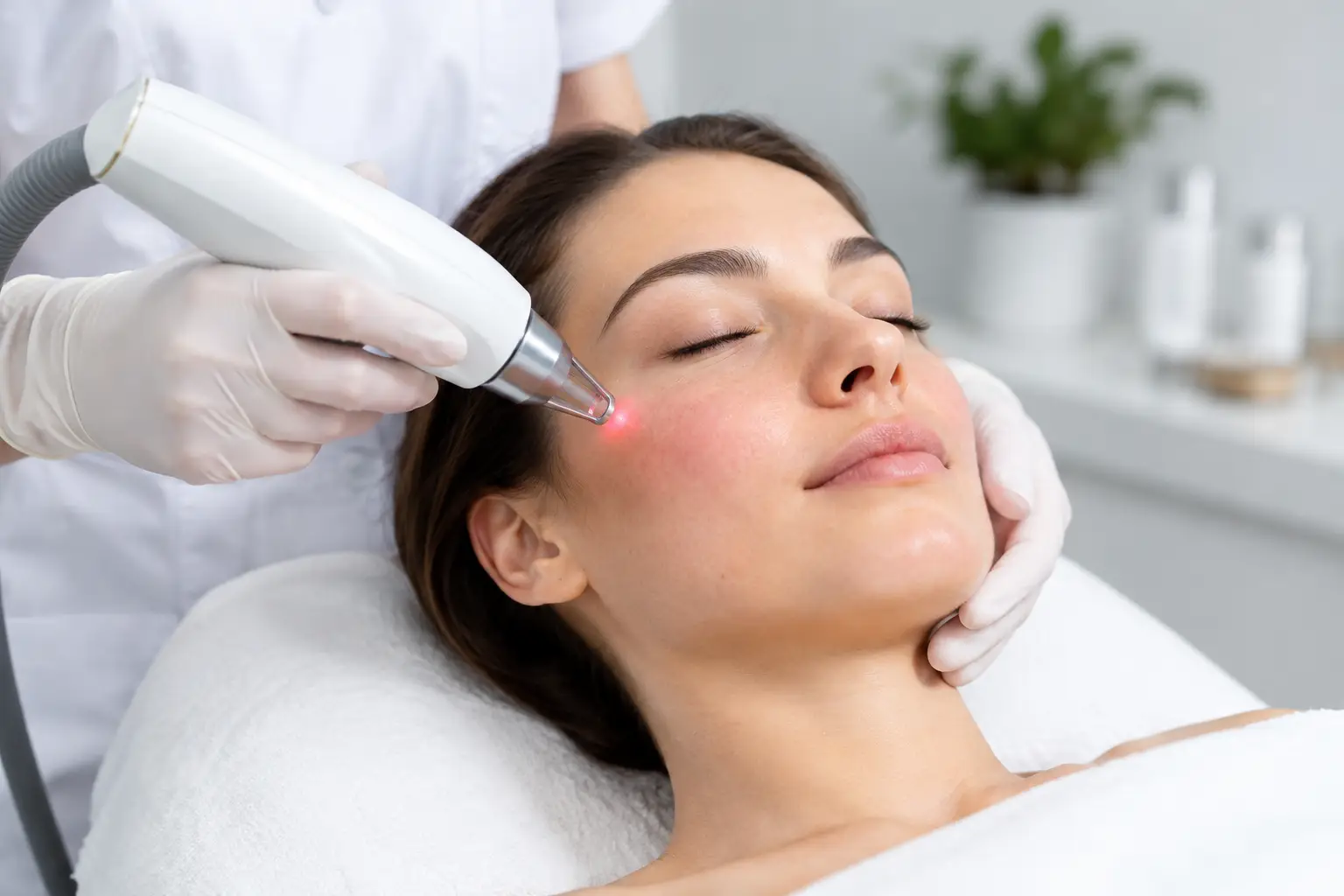
During the procedure, protective eyewear is worn. The skin is cleansed, and a cooling method may be used to improve comfort and protect the skin surface. Many patients describe the laser sensation as brief warmth or a quick snap against the skin. The appointment itself is often relatively short, although timing depends on the size of the area being treated.
Immediately afterward, the skin may look pink or feel warm, similar to a mild sunburn. Small vessels can darken temporarily, and some people experience mild swelling, especially around the cheeks or nose. These effects are expected and typically settle within hours to several days, depending on the device and treatment intensity.
When will you see results?
Some vessels may appear less noticeable soon after treatment, but the full response develops gradually. Your body needs time to process the treated vessels, so improvement often becomes clearer over several weeks. Diffuse redness usually improves progressively rather than disappearing overnight.
Most patients need a series of treatments for the most refined result. The number of sessions depends on the concern being addressed, the severity of redness, and how your skin responds. A few isolated capillaries may respond quickly, while rosacea-related redness often benefits from a long-term maintenance strategy.
It is also possible for new vessels to become visible over time. Laser treatment removes or reduces targeted vessels, but it cannot prevent future redness caused by genetics, sun exposure, rosacea triggers, or natural aging. Periodic maintenance treatments may help preserve a clearer, more even-looking complexion.
Preparing for treatment and protecting your results
Avoiding tanning and unprotected sun exposure before treatment is essential. A recent tan can increase the risk of pigment changes and may limit whether treatment can be performed safely. Daily broad-spectrum sunscreen is equally important after treatment because ultraviolet exposure can worsen redness and contribute to new visible vessels.
Your provider may also recommend pausing certain active skin care products before and after your appointment. Depending on your skin and treatment plan, this can include retinoids, exfoliating acids, scrubs, or products that cause stinging. Use a gentle cleanser, a simple moisturizer, and sunscreen while the skin recovers.
For the first day or two, it is generally wise to avoid excessive heat, strenuous exercise, hot yoga, saunas, and alcohol if these are personal flushing triggers. Do not pick, scrub, or exfoliate treated skin. Following personalized aftercare instructions supports healing and helps protect the quality of your result.
Safety, skin tone, and choosing the right provider
Laser treatments for redness can be highly effective, but safety depends on accurate assessment and appropriate technique. Potential side effects include temporary redness, swelling, bruising, crusting, or pigment changes. More serious complications are uncommon when treatment is selected and performed correctly, but no cosmetic procedure is risk-free.
Darker skin tones and recently tanned skin require particular care. The device, wavelength, settings, and pre-treatment plan may need to be adjusted to reduce the risk of unwanted pigment changes. This is one reason a consultation should never be rushed or treated as a standard spa service.
At Balwin Aesthetics, treatment planning is guided by physician-led assessment, skin health, and natural-looking improvement. The goal is not to over-treat the skin, but to select an approach that addresses visible redness while respecting your complexion, comfort, and long-term aesthetic goals.
Is laser treatment right for your redness?
Laser treatment may be a strong option if your redness is linked to visible vessels, facial flushing, rosacea-related vascular changes, or lingering red marks. It may be less appropriate when redness is primarily caused by active irritation, eczema, infection, or an untreated inflammatory skin condition. In those cases, calming the skin first may lead to a safer and more successful outcome.
A professional consultation provides the clearest path forward. With the right diagnosis, realistic expectations, and a personalized treatment plan, laser therapy can help skin look calmer, clearer, and more even while still looking like you.
