
Rough patches that catch makeup, acne scars that remain visible in certain lighting, and skin that has lost its smooth, reflective quality can be frustrating because they are not always corrected by a good skincare routine alone. Understanding how PRP improves skin texture helps patients decide whether this regenerative treatment may be a meaningful next step toward healthier-looking, more refined skin.
PRP, or platelet-rich plasma, uses a concentrated portion of your own blood to support the skin’s natural repair processes. It is not a filler that adds volume, and it does not freeze facial movement. Instead, PRP is valued for encouraging gradual improvements in skin quality, especially when concerns include fine creasing, uneven texture, acne scarring, dullness, and early signs of collagen loss.
What PRP Is and Why It Is Used for Skin Renewal
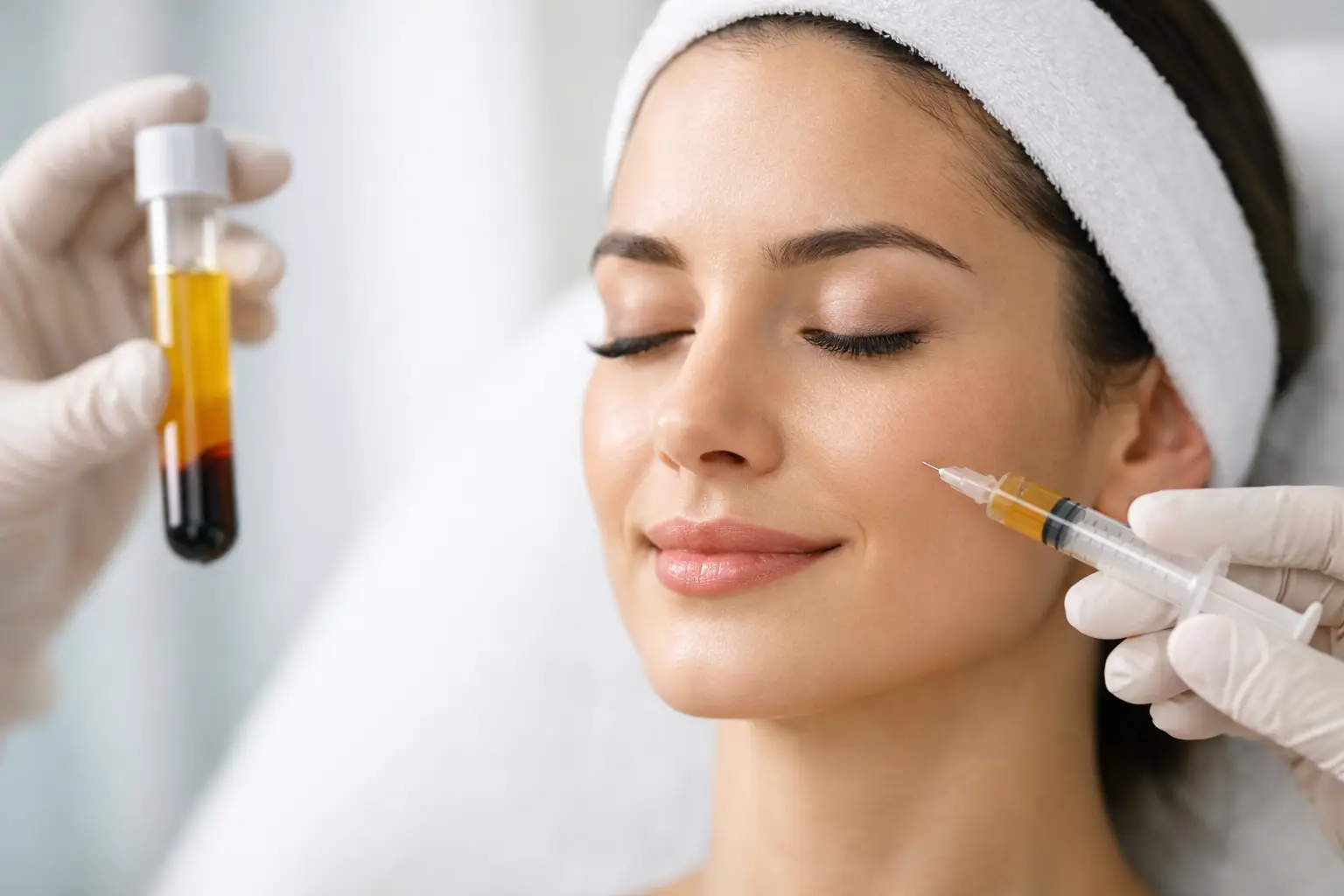
Platelets are small components in the blood that contain growth factors involved in healing and tissue repair. During a PRP treatment, a small blood sample is collected and placed in a centrifuge. This separates the platelet-rich plasma from other blood components, allowing the provider to prepare it for treatment.
PRP can be injected into selected areas of the face or applied during microneedling, depending on the concern being addressed. When used with microneedling, the controlled microchannels created in the skin allow PRP to be applied directly to the treatment area. This combination is often considered for overall texture refinement, enlarged pores, fine lines, and certain types of acne scarring.
Because PRP is derived from the patient’s own blood, it is a biocompatible option for patients who prefer a treatment plan that supports natural skin renewal. That does not mean it is the right treatment for every concern. The quality of the result depends on the condition of the skin, the technique used, the depth and type of scarring, and whether PRP is paired with another treatment.
How PRP Improves Skin Texture at a Cellular Level
Skin texture is strongly influenced by collagen, elastin, hydration, cell turnover, and the organization of the skin’s supporting structure. Over time, collagen production slows. Sun exposure, acne inflammation, smoking, and repeated environmental stress can further affect the skin’s surface and underlying support.
PRP delivers a concentrated supply of platelets and growth factors to the treated area. These signals can support fibroblasts, the cells responsible for producing collagen and other structural components of the skin. As the skin goes through its natural renewal response, it may gradually appear smoother, firmer, and more even.
This process takes time. PRP is not designed to create an overnight transformation, and results tend to develop progressively over several weeks. Many patients first notice a healthier glow or improved hydration, followed by more visible refinement in texture as collagen remodeling continues. This gradual change is one reason PRP appeals to patients seeking natural-looking improvement rather than an obviously treated appearance.
Fine Lines and Crepey Texture
Fine lines can look more pronounced when the skin is dehydrated or beginning to lose elasticity. PRP may help improve the quality and resilience of the skin, particularly in delicate areas where a conservative approach is preferred. It can be considered for fine lines around the cheeks, mouth, and under-eye area when assessed and performed by a qualified medical provider.
PRP will not replace the role of neuromodulators for expression lines or dermal fillers for meaningful volume loss. However, it can complement these treatments by improving the skin itself. A personalized plan may use different modalities for different concerns rather than expecting one treatment to address every sign of aging.
Acne Scars and Uneven Surface Texture
Acne scars are among the most common reasons patients ask about PRP. Depressed scars, including rolling or boxcar scars, can create shadows and an uneven surface that topical products cannot fully correct. PRP used with microneedling may support collagen remodeling within the scarred area and improve the overall blend between scar tissue and surrounding skin.
Results vary considerably with acne scars. Deep ice-pick scars, tethered scars, and extensive scarring often need a more targeted approach, such as subcision, chemical reconstruction, laser treatment, or a combination plan. PRP may still be useful, but it should be presented as part of a tailored strategy rather than a universal solution.
Dullness, Pores, and Makeup Texture
When the skin surface is uneven, light does not reflect evenly. This can make pores appear more noticeable and makeup settle into fine lines or textured areas. By supporting skin renewal, PRP may improve the look of radiance and surface smoothness over time.
For patients whose primary concern is pigmentation, PRP alone may not be the most efficient option. Chemical peels, certain laser treatments, medical-grade skincare, and disciplined sun protection may be more appropriate depending on the cause of discoloration. A consultation helps distinguish texture concerns from pigment concerns, since they often overlap but require different treatment decisions.
PRP Injections vs. PRP Microneedling
The delivery method matters. PRP injections place platelet-rich plasma beneath the skin in specific areas and may be selected when a provider wants to focus on localized creasing, skin quality, or delicate regions. PRP microneedling treats a broader surface area and is frequently chosen for diffuse texture concerns, acne scars, and overall facial renewal.
Microneedling with PRP usually involves temporary redness, warmth, and mild swelling. Most patients can expect the skin to look pink to red for one to several days, depending on treatment intensity and individual sensitivity. Injectable PRP may cause localized swelling or bruising, particularly in more delicate areas.
There is a practical trade-off to consider. Microneedling is often effective for broad texture improvement, but it does not offer the precision of targeted treatments for certain scars. Injections can be more localized, but they are not necessarily the best choice for widespread pore size or surface irregularity. The best method depends on what is actually causing the texture change.
What a PRP Treatment Plan May Look Like
Most patients require a series of treatments rather than a single appointment. A common plan may involve several sessions spaced a few weeks apart, followed by maintenance based on skin goals and response. The exact schedule should be individualized after a thorough assessment of your skin, medical history, current skincare routine, and comfort with downtime.
Before treatment, patients may be advised to avoid certain medications or supplements that can increase bruising, if medically appropriate. Your provider will review this carefully and should never ask you to stop a prescribed medication without guidance from the clinician who manages it.
After PRP, gentle skincare and diligent sunscreen use are especially important. Avoiding unnecessary heat, intense exercise, irritating active ingredients, and unapproved products immediately after treatment can help protect the healing skin. Your provider will give specific aftercare instructions based on whether PRP was injected, used with microneedling, or combined with another procedure.
Who Should Consider PRP for Skin Texture?
PRP can be a strong option for healthy adults who want gradual, natural-looking improvement in skin quality and are prepared to complete a recommended series. It may be especially appealing for patients with early laxity, fine lines, mild to moderate textural irregularities, or acne scars that would benefit from collagen-focused treatment.
A medical assessment is essential. Active acne, skin infections, certain blood or platelet disorders, pregnancy-related considerations, autoimmune conditions, and the use of some medications may affect candidacy or timing. Patients with significant sun damage, deep scars, or advanced skin laxity may achieve better results through a combined treatment approach.
At Balwin Aesthetics, physician-led treatment planning centers on matching the procedure to the concern, not simply choosing the most popular option. That distinction matters when the goal is refined skin texture that still looks like your skin, only healthier and more renewed.
The most rewarding PRP results are usually subtle at first: makeup sits more smoothly, skin looks fresher in natural light, and texture becomes less distracting over time. A thoughtful consultation can clarify whether PRP belongs in your plan and what combination of treatments will give your skin the most credible path to improvement.
