
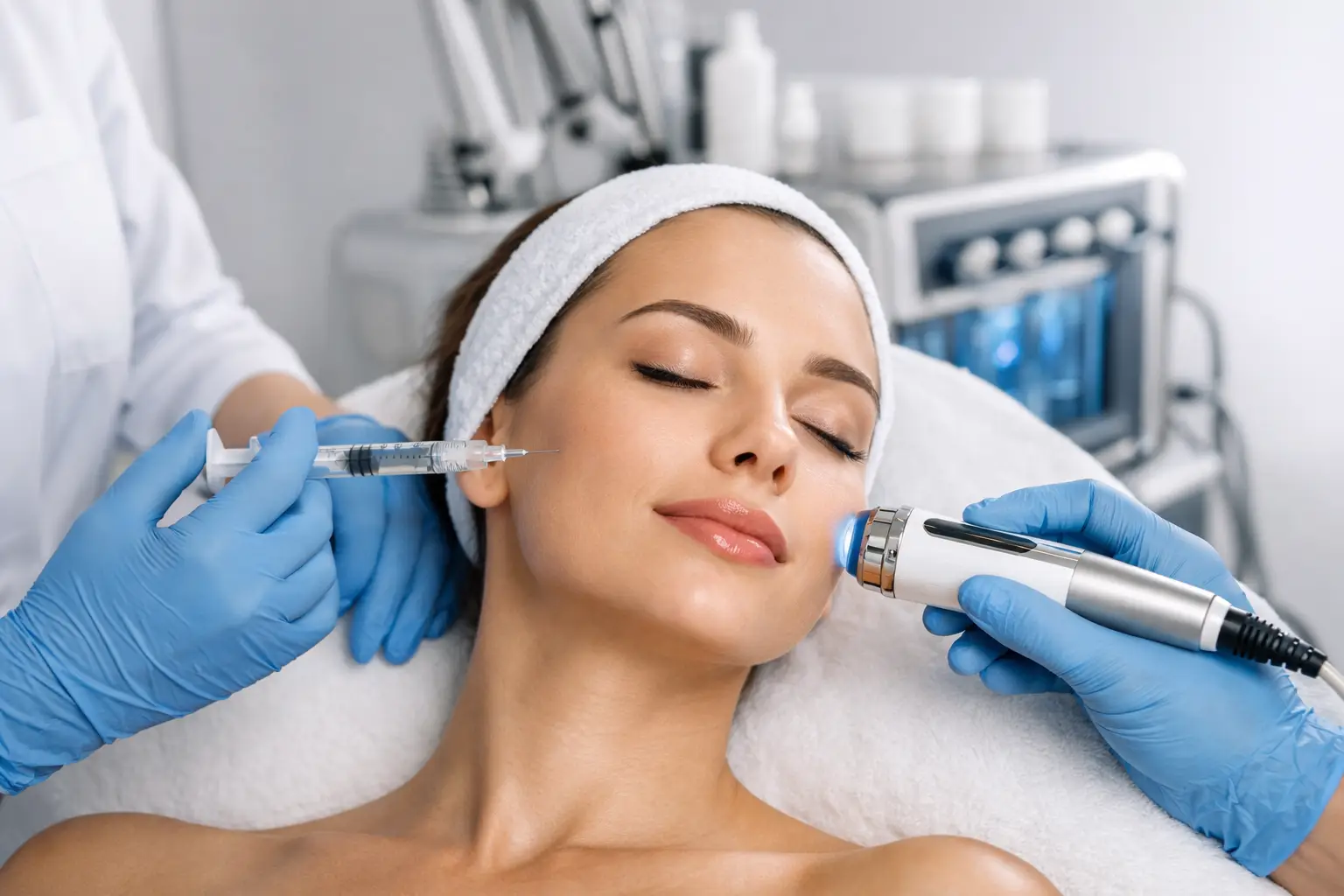
A stronger cleanser or a beautifully packaged serum can be helpful, but it may not be enough when concerns such as stubborn pigmentation, acne scarring, rosacea, fine lines, or loss of firmness persist. Medical grade skin treatments are designed to go beyond a basic facial or retail skincare routine, combining clinically selected products and professional procedures with an individualized plan for healthier-looking skin.
For patients who want noticeable refinement without surgery, the value is not simply in choosing a more intensive treatment. It is in choosing the right treatment, at the right strength, for your skin type, concerns, lifestyle, and tolerance for downtime.
What Does “Medical Grade” Actually Mean?
The phrase “medical grade” is commonly used in aesthetics, but it is not a single legal classification that guarantees every product or procedure is superior. A treatment should not be judged by the label alone. What matters is the quality of the ingredients or technology, the evidence behind its use, the expertise of the provider, and whether it is appropriate for your skin.
In a physician-led aesthetic setting, medical-grade care generally refers to treatments that are selected and performed with a deeper understanding of skin biology, facial anatomy, and risk management. These may include prescription-strength topical regimens, chemical peels, microneedling, platelet-rich plasma (PRP), and laser-based treatments for pigmentation, redness, texture, or unwanted hair.
The difference is meaningful because skin concerns are rarely one-dimensional. Brown spots may be related to sun exposure, melasma, inflammation, or a combination of factors. Redness may reflect sensitive skin, visible vessels, rosacea, or barrier disruption. Treating the wrong issue too aggressively can make the concern more noticeable rather than less.
Why Professional Assessment Changes the Outcome
A professional consultation is where effective treatment begins. Rather than selecting a procedure based on a trend or a friend’s result, your provider evaluates what your skin is showing now and what may influence its response. This includes your skin tone, history of pigmentation, acne activity, sensitivity, current skincare products, medications, sun exposure, and previous aesthetic treatments.
That assessment guides both treatment selection and treatment intensity. Someone with early fine lines and dullness may benefit from a series of light chemical peels or microneedling with a tailored home regimen. Someone with deeper acne scars may need a more structured plan that combines collagen-stimulating treatments over several months. For persistent discoloration, a conservative approach may produce better results than one aggressive treatment, particularly for patients prone to post-inflammatory hyperpigmentation.
This is also how natural-looking results are protected. The goal is not to make skin look overtreated or artificially polished. It is to improve clarity, smoothness, and radiance while respecting the characteristics that make your complexion your own.
Common Medical Grade Skin Treatments
Chemical Peels for Clarity and Renewal
A chemical peel uses a carefully selected solution to exfoliate the outer layers of skin and encourage cellular turnover. Depending on the formulation and depth, peels can help improve uneven tone, dullness, mild acne, fine lines, rough texture, and certain forms of pigmentation.
There is no universally best peel. A superficial peel may be ideal before an event or as part of regular skin maintenance, often with little visible peeling and minimal interruption to your schedule. Medium-depth treatments can create more dramatic renewal but may involve several days of redness, flaking, and social downtime. The right choice depends on your concern and how much recovery you can accommodate.
Microneedling for Texture and Scars
Microneedling creates controlled microchannels in the skin to stimulate the body’s natural repair response and collagen production. It is often used to improve the appearance of enlarged pores, fine lines, uneven texture, and acne scarring.
Results develop gradually because collagen remodeling takes time. Most patients need a series of sessions, spaced apart to allow the skin to respond. Temporary redness is expected, and careful post-treatment skincare is essential. Microneedling can be highly effective, but it should be performed with appropriate depth, sterile technique, and a plan that considers active acne, skin sensitivity, and pigment risk.
PRP for Skin Quality
PRP uses a concentrated portion of your own blood, prepared during your appointment, to support tissue renewal. It may be used alongside microneedling or injected in select areas, depending on the treatment plan and goals.
Patients often choose PRP when they want a regenerative approach to improving skin quality, especially around areas that can appear tired or creased. It is not a replacement for every injectable or laser treatment, and outcomes vary by concern. However, when appropriately selected, PRP can complement a broader plan focused on texture, glow, and gradual rejuvenation.
Laser Treatments for Pigment, Redness, and More
Laser and light-based technology can target specific concerns that topical products alone may not adequately address. Depending on the device and settings used, treatments may help reduce visible sun damage, uneven pigmentation, vascular lesions, facial redness, and unwanted hair.
Laser treatment requires thoughtful customization. Energy settings that are effective for one patient may be too aggressive for another, particularly when skin is tanned, highly reactive, or prone to pigment changes. A thorough evaluation and realistic discussion of expected improvement are central to safety. Some concerns, including melasma, may require ongoing maintenance and sun protection rather than a one-time solution.
Professional Treatments Still Need a Home Routine
In-office treatments can create meaningful change, but they do not eliminate the need for daily skincare. In fact, the results of a peel, laser treatment, or microneedling series can be limited when the skin is repeatedly exposed to UV damage, irritation, or unsuitable products.
A well-designed home routine does not need to be complicated. It should focus on cleansing without stripping the barrier, using targeted active ingredients when appropriate, moisturizing consistently, and applying broad-spectrum sunscreen every day. For some patients, prescription options may be recommended to help manage acne, pigment, or photoaging. For others, a gentle routine is the priority before introducing stronger actives.
Your routine should also change around certain procedures. Retinoids, exfoliating acids, and other active products may need to be paused before and after treatment to reduce irritation. This is one reason professional guidance matters. More products are not always better for the skin.
Safety, Recovery, and Realistic Expectations
Medical aesthetic treatments are minimally invasive, not risk-free. Redness, swelling, dryness, flaking, bruising, and temporary sensitivity can occur depending on the procedure. Less common risks include infection, scarring, burns, and changes in pigmentation. The likelihood of complications can often be reduced through appropriate screening, proper technique, clear aftercare, and choosing a provider with medical training and experience.
It is equally important to be honest about timing. Skin renewal is a process. A single treatment may create a refreshed appearance, but more significant concerns such as acne scars, laxity, or long-standing discoloration generally require a series of treatments and ongoing maintenance. Before-and-after photos can be helpful, but they should be viewed as examples of individual outcomes, not guarantees.
The best plan also respects your calendar. If you have a wedding, presentation, or major event approaching, discuss it early. Some treatments are excellent for gradual improvement but are not ideal immediately before an important date because the skin needs time to settle.
Choosing the Right Level of Care
The right skin treatment is not necessarily the most expensive, the newest, or the most intensive option. A thoughtful plan may start with a chemical peel and home care, then progress to microneedling or laser treatment if needed. In other cases, combining treatments can be appropriate when concerns such as pigment, texture, and volume loss occur together.
At Balwin Aesthetics, physician-led care centers on informed decisions, careful assessment, and refined results that still look like you. A consultation gives you the space to discuss what bothers you, what you have already tried, and what level of treatment feels realistic for your life.
Healthy-looking skin is rarely created by a single appointment. It is built through consistent care, appropriate treatments, and a plan that gives your skin time to respond beautifully.
